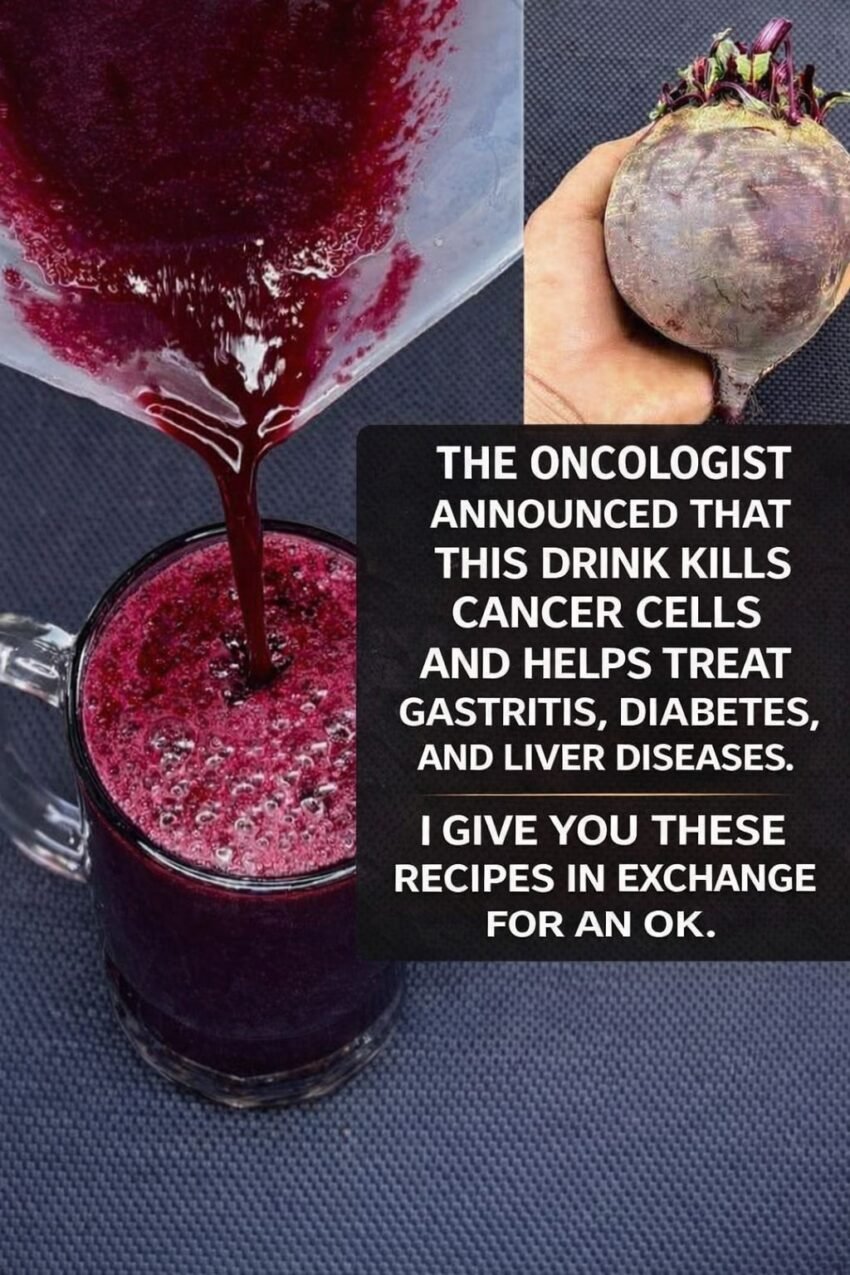
ALERT! Beetroot Juice Kills Cancer Cells in 42 Days — Here’s What Science Actually Says
A viral claim says beetroot juice kills cancer cells in 42 days. Discover the real science, proven benefits, risks, and how Americans can use it safely.
Introduction: Why This Claim Is Everywhere (And Why It Matters)
If you’ve spent even five minutes scrolling through Facebook, YouTube, or health blogs lately, you’ve probably seen a headline like this:
“ALERT! Beetroot juice kills cancer cells in 42 days.”
It’s bold.
It’s hopeful.
And for millions of Americans worried about cancer—either personally or for someone they love—it’s emotionally powerful.
But here’s the problem: health claims like this can be misleading, dangerous, or simply incomplete if they’re not grounded in solid science.
So let’s slow this down and do what most viral posts don’t:
-
Separate hope from hype
-
Look at what research really shows
-
Explain how beetroot juice may support health
-
And clarify what it can — and absolutely cannot — do
By the end of this article, you’ll understand:
-
Where the “42 days” claim comes from
-
What beetroot juice does inside the body
-
What scientists actually say about cancer and nutrition
-
How Americans can safely use beetroot juice as part of a healthy lifestyle
No fear.
No false promises.
Just clear, trustworthy information.
Understanding the Claim: “Kills Cancer Cells in 42 Days”
Where Did This Idea Come From?
The claim didn’t originate from a medical institution, cancer research center, or peer-reviewed clinical trial.
Instead, it emerged from:
-
Misinterpreted lab studies
-
Social media exaggeration
-
Oversimplified summaries of early research
-
Wellness influencers seeking clicks
In many cases, in vitro studies (lab experiments on isolated cells) showed that certain compounds in beetroot affected cancer cells in a petri dish.
That’s very different from curing cancer in the human body.
What Beetroot Juice Actually Contains
Beetroot juice isn’t magic—but it is nutritionally impressive.
Key Compounds in Beetroot Juice
-
Betalains – Natural pigments with antioxidant properties
-
Dietary nitrates – Improve blood flow and cardiovascular health
-
Polyphenols – Help reduce oxidative stress
-
Folate (Vitamin B9) – Supports DNA synthesis and repair
-
Potassium – Essential for heart and muscle function
These compounds explain why beetroot juice has been studied for:
-
Heart health
-
Exercise performance
-
Blood pressure regulation
-
Inflammation control
Not cancer cures.
What Science Actually Says About Beetroot and Cancer
Lab Studies vs Real Life
Some laboratory studies show that beetroot extracts:
-
May slow the growth of certain cancer cells in controlled environments
-
May reduce oxidative stress that contributes to cellular damage
However:
There is no credible clinical evidence showing beetroot juice kills cancer cells in humans within 42 days—or at all.
Major cancer organizations consistently emphasize this distinction.
Why This Matters
Cancer is not a single disease.
It involves:
-
Genetics
-
Immune response
-
Tumor microenvironment
-
Medical intervention
No juice, food, or supplement can replace:
-
Surgery
-
Chemotherapy
-
Radiation
-
Immunotherapy
-
Doctor-guided treatment plans
Why Nutrition Still Matters in Cancer Prevention
Here’s where beetroot juice does have relevance.
Diet and Cancer Risk Reduction
According to major health authorities, a diet rich in:
-
Fruits
-
Vegetables
-
Whole foods
is associated with:
-
Lower inflammation
-
Improved immune function
-
Reduced risk of certain cancers over time
Beetroot fits into this pattern—but as support, not treatment.
Real-World Use Case: How Americans Actually Use Beetroot Juice
Common, Legitimate Uses
In the US, beetroot juice is most commonly used for:
-
Supporting heart health
-
Improving workout endurance
-
Managing mild blood pressure issues
-
Increasing nitric oxide levels
Athletes, older adults, and health-conscious individuals often use it as part of a balanced routine.
How to Use Beetroot Juice Safely (Step-by-Step)
Step 1: Choose the Right Product
Look for:
-
100% pure beet juice
-
No added sugars
-
No artificial coloring
Step 2: Start Small
-
4–6 ounces per day
-
Best consumed earlier in the day
Step 3: Pair With a Balanced Diet
Beetroot juice works best alongside:
-
Leafy greens
-
Lean proteins
-
Whole grains
-
Healthy fats
Step 4: Talk to a Healthcare Professional
Especially important if you:
-
Have kidney issues
-
Take blood pressure medication
-
Are undergoing cancer treatment
Pros and Cons of Beetroot Juice
Pros
-
Nutrient-dense
-
Supports cardiovascular health
-
May reduce inflammation
-
Naturally boosts nitric oxide
Cons
-
High in oxalates (kidney stone risk for some)
-
Can lower blood pressure too much
-
Not suitable as a medical treatment
-
Can cause beeturia (harmless red urine)
Common Mistakes People Make
Mistake #1: Treating It Like Medicine
Juice is food—not therapy.
Mistake #2: Ignoring Medical Advice
Nutrition should support, not replace, medical care.
Mistake #3: Overconsumption
More is not better when it comes to concentrated juices.
Why “42 Days” Is a Red Flag
Any claim that promises:
-
A fixed timeline
-
Guaranteed results
-
Universal effectiveness
is not scientifically sound.
Human biology doesn’t work on viral countdowns.
Latest Research Trends and Future Outlook
Researchers continue studying:
-
Plant compounds and cancer prevention
-
Dietary patterns and long-term health
-
Synergy between nutrition and medical treatment
The future of cancer care lies in integrative medicine, not miracle foods.
Frequently Asked Questions (People Also Ask)
Does beetroot juice cure cancer?
No. There is no evidence it cures cancer.
Can beetroot juice kill cancer cells?
Only in lab studies—not proven in humans.
Is beetroot juice safe for cancer patients?
Often yes, but only with doctor approval.
How much beetroot juice should I drink daily?
Typically 4–8 ounces, depending on individual health.
Can beetroot juice prevent cancer?
It may support overall health but does not guarantee prevention.
Why do people believe this claim?
Because of misinterpreted studies and viral misinformation.
Are there side effects?
Yes—low blood pressure, kidney concerns for some.
What’s the best way to include it in my diet?
As part of a balanced, whole-food lifestyle.
Final Thoughts: Hope Should Be Honest
Beetroot juice is:
-
Nutritious
-
Beneficial
-
Worth including in a healthy diet
But it is not a cure, not a treatment, and not a guaranteed defense against cancer.
Real health empowerment comes from:
-
Accurate information
-
Evidence-based choices
-
Trusted medical guidance
Your Turn
If this article helped clarify the truth behind viral health claims:
-
Leave a comment below
-
Share it with someone who might be confused by misinformation
-
Explore our other science-backed nutrition guides
Truth saves time. Science saves lives.