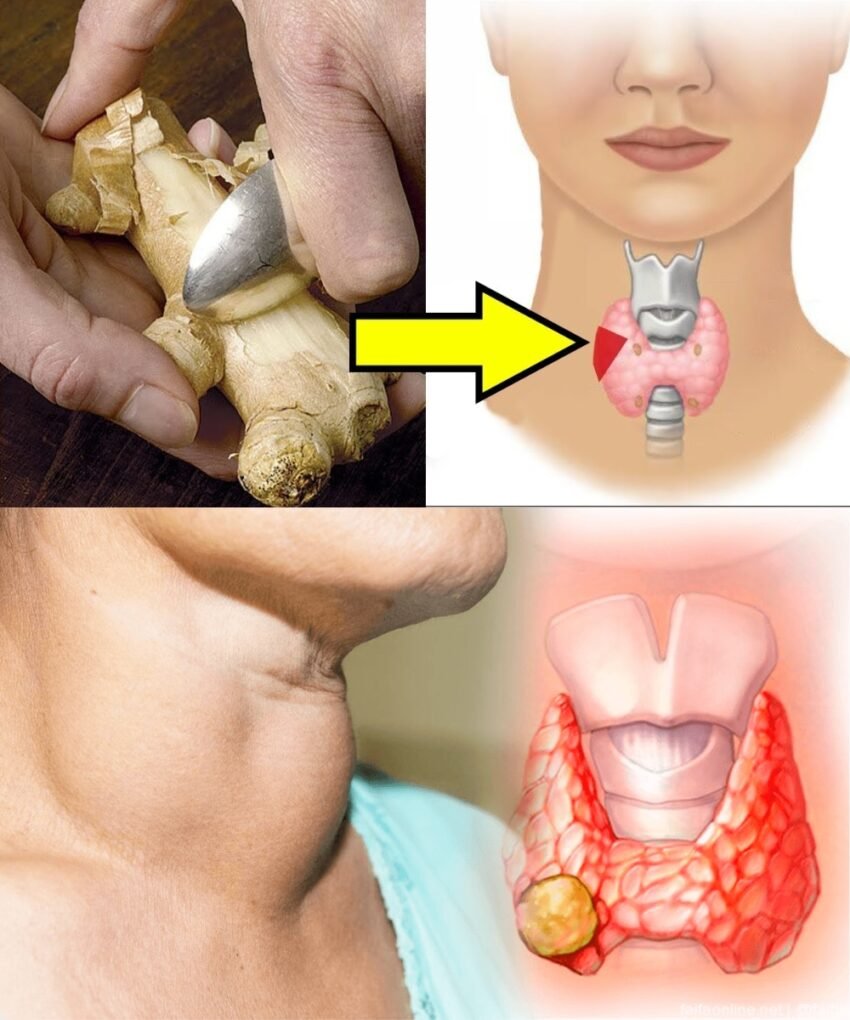
19 Foods to Avoid If You Have Hypothyroidism or Thyroid Problems
Living with hypothyroidism? Discover 19 foods that may interfere with thyroid function, medication absorption, and symptom control—plus safer alternatives.
Introduction: Why Food Choices Matter for Thyroid Health
If you have hypothyroidism or another thyroid condition, you already know it’s not just about medication.
What you eat—and when you eat it—can directly affect:
-
Thyroid hormone production
-
How well your medication works
-
Energy levels, weight, and brain fog
Many Americans with thyroid issues do everything “right” medically but still struggle with symptoms because certain foods quietly interfere with thyroid function or hormone absorption.
This doesn’t mean you can never enjoy these foods again.
But it does mean understanding what to limit, when to be cautious, and how to eat smarter.
Let’s break it down clearly and practically.
A Quick Note Before We Start
Important context matters:
-
These foods do not cause hypothyroidism
-
Avoidance depends on quantity, preparation, and individual sensitivity
-
Many foods listed are healthy for people without thyroid issues
Always follow medical advice specific to your condition.
How Diet Can Affect the Thyroid
Food can influence thyroid health in three main ways:
-
Interfering with iodine uptake (iodine is essential for thyroid hormones)
-
Disrupting hormone conversion (T4 → T3)
-
Blocking medication absorption (especially levothyroxine)
Understanding this makes the list below much more logical.
1. Raw Cruciferous Vegetables
Examples:
-
Raw broccoli
-
Raw cauliflower
-
Raw kale
-
Raw cabbage
-
Raw Brussels sprouts
Why to Be Careful
These contain goitrogens—compounds that can interfere with iodine uptake when eaten in large amounts raw.
What Helps
Cooking significantly reduces this effect. Steamed or sautéed versions are usually fine in moderation.
2. Soy and Soy-Based Foods
Examples:
-
Soy milk
-
Tofu
-
Edamame
-
Soy protein isolates
Why to Be Careful
Soy can interfere with thyroid hormone absorption and may affect iodine utilization.
Practical Tip
If you consume soy, keep it several hours away from thyroid medication.
3. Gluten (for Some People)
Examples:
-
Wheat-based bread
-
Pasta
-
Baked goods
Why to Be Careful
People with autoimmune thyroid disease (like Hashimoto’s) are more likely to have gluten sensitivity or celiac disease.
For some, gluten may:
-
Increase inflammation
-
Worsen autoimmune activity
Not everyone needs to avoid it—but many feel better when they do.
4. Highly Processed Foods
Examples:
-
Packaged snacks
-
Fast food
-
Frozen meals
Why to Be Careful
These foods are often:
-
Low in nutrients
-
High in sodium
-
High in inflammatory fats
They can worsen fatigue, weight gain, and inflammation—common hypothyroid struggles.
5. Sugar and Sugary Drinks
Examples:
-
Soda
-
Candy
-
Sweetened coffee drinks
Why to Be Careful
Hypothyroidism already slows metabolism. Excess sugar can:
-
Promote insulin resistance
-
Increase inflammation
-
Worsen energy crashes
6. Refined Carbohydrates
Examples:
-
White bread
-
White rice
-
Pastries
Why to Be Careful
These spike blood sugar quickly and offer little nutritional support for hormone balance.
7. Excess Fiber (Timing Matters)
Examples:
-
Large amounts of bran
-
Fiber supplements
Why to Be Careful
Fiber itself is healthy—but too much at once can reduce thyroid medication absorption.
Tip
Take thyroid medication on an empty stomach and wait before high-fiber meals.
8. Coffee (Too Close to Medication)
Why to Be Careful
Coffee can significantly reduce absorption of thyroid hormone if consumed too soon after medication.
Best Practice
Wait 30–60 minutes after taking medication before drinking coffee.
9. Alcohol
Why to Be Careful
Alcohol can:
-
Suppress thyroid hormone production
-
Affect liver function (important for hormone conversion)
Moderation is key.
10. Fried Foods
Examples:
-
French fries
-
Fried chicken
-
Donuts
Why to Be Careful
They increase inflammation and can worsen cardiovascular risks already higher in hypothyroidism.
11. Artificial Sweeteners
Examples:
-
Aspartame
-
Sucralose
Why to Be Careful
Some people report increased autoimmune symptoms and digestive issues, which can indirectly affect thyroid health.
12. Certain Fish High in Mercury
Examples:
-
Swordfish
-
King mackerel
-
Shark
Why to Be Careful
Mercury can disrupt endocrine (hormonal) function.
Safer options include salmon, sardines, and trout.
13. Highly Processed Meats
Examples:
-
Hot dogs
-
Sausages
-
Deli meats
Why to Be Careful
Often high in sodium, preservatives, and inflammatory compounds.
14. Large Amounts of Millet
Why to Be Careful
Millet contains goitrogenic compounds that may interfere with thyroid function if eaten frequently in large amounts.
15. Excess Iodine
Examples:
-
Large amounts of kelp or seaweed supplements
Why to Be Careful
Both too little and too much iodine can worsen thyroid problems—especially autoimmune thyroid disease.
16. Energy Drinks
Why to Be Careful
They can strain the adrenal system and worsen anxiety, palpitations, and sleep issues.
17. Unfermented Crucifer Juices
Examples:
-
Raw kale juice
-
Green smoothies heavy in raw crucifers
Why to Be Careful
Concentrated raw forms amplify goitrogen intake.
18. Calcium-Rich Foods (Near Medication Time)
Examples:
-
Milk
-
Yogurt
-
Calcium supplements
Why to Be Careful
Calcium binds thyroid medication and reduces absorption.
Wait at least 4 hours after medication.
19. Iron-Rich Supplements (Timing Again)
Why to Be Careful
Iron can also block thyroid medication absorption.
Spacing matters more than avoidance.
Foods That Support Thyroid Health (Quick Mention)
Instead of focusing only on avoidance, emphasize:
-
Lean proteins
-
Selenium-rich foods (Brazil nuts, eggs)
-
Zinc sources (pumpkin seeds, seafood)
-
Cooked vegetables
-
Healthy fats
Common Mistakes People Make
-
Cutting too many foods unnecessarily
-
Ignoring medication timing
-
Following extreme diets
-
Assuming food replaces medication
Balance beats restriction.
FAQs (People Also Ask)
Do I need to avoid all these foods forever?
No. Moderation and timing matter.
Can diet cure hypothyroidism?
No, but it can support symptom control.
Is iodine always good for thyroid health?
Not always—excess can worsen problems.
Can I eat cruciferous vegetables?
Yes, especially cooked and in moderation.
Does coffee really interfere with medication?
Yes, timing is important.
Should I go gluten-free?
Only if you’re sensitive or advised by a professional.
Can supplements replace food?
Whole foods are preferred when possible.
How soon will diet changes help?
Some people notice improvements within weeks.
Final Thoughts: Eat Smart, Not Fearfully
Having a thyroid condition doesn’t mean living in food fear.
It means:
-
Understanding interactions
-
Making informed choices
-
Timing meals wisely
-
Supporting your body consistently
When diet and treatment work together, many people experience better energy, clearer thinking, and improved quality of life.
Your Next Step
If this guide helped you:
-
Share it with someone managing thyroid issues
-
Leave a comment with your experience
-
Explore more evidence-based health resources
Small food choices—made consistently—can make a meaningful difference.