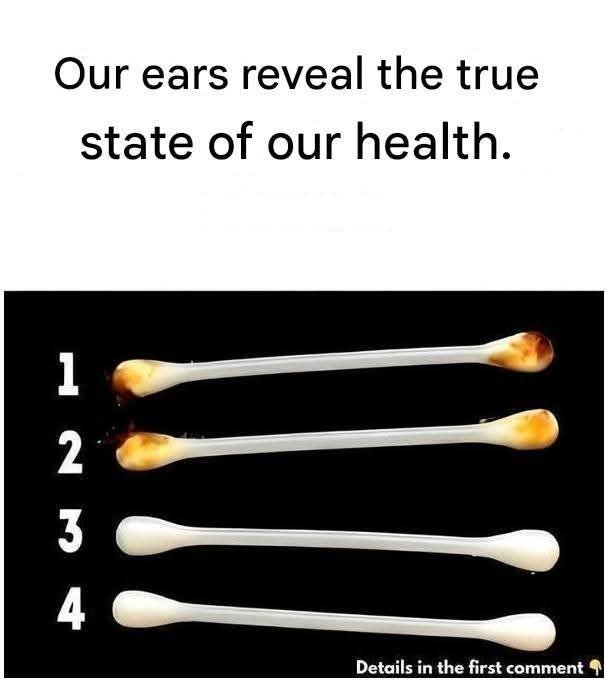
Our Ears Reveal the True State of Our Health — Here’s What They May Be Telling You
Most people think of ears as tools for hearing—nothing more.
But doctors have long known something interesting: the ears can reflect what’s happening inside the body. Changes in color, shape, sensation, or hearing ability sometimes act as early signals, prompting doctors to look deeper.
This doesn’t mean your ears diagnose disease—but they can offer valuable clues about your overall health when you know what to notice.
Let’s explore what science and medicine actually say.
Why Doctors Pay Attention to the Ears
The ears are closely connected to:
-
Blood circulation
-
Nerve pathways
-
The immune system
-
Balance centers in the brain
Because of these connections, systemic health issues can sometimes show up in or around the ears before other symptoms become obvious.
That’s why ear checks are part of routine physical exams.
1. Ear Color Changes and Circulation
What It May Signal
-
Poor circulation
-
Blood pressure changes
-
Temperature regulation issues
Pale ears may reflect reduced blood flow, while unusually red ears can sometimes be linked to inflammation, heat response, or vascular sensitivity.
Occasional changes are normal—but persistent differences are worth mentioning to a healthcare provider.
2. Ringing in the Ears (Tinnitus)
Tinnitus is one of the most common ear-related complaints.
Possible Associations
-
Hearing loss
-
Prolonged noise exposure
-
Stress and anxiety
-
Blood pressure issues
-
Certain medications
While tinnitus itself isn’t a disease, it often signals an underlying issue that deserves attention, especially if it appears suddenly or worsens.
3. Earwax Isn’t Just “Gross”—It’s Informative
Earwax (cerumen) protects the ear canal, but changes in:
-
Color
-
Texture
-
Amount
may reflect skin conditions, infections, or overuse of earbuds and hearing aids.
Excessive buildup can also interfere with hearing, which impacts balance and cognitive engagement—especially in older adults.
4. Hearing Changes and Brain Health
Hearing loss isn’t just about the ears.
Research increasingly shows links between:
-
Untreated hearing loss
-
Cognitive decline
-
Social withdrawal
The brain works harder to interpret sounds, which may reduce resources for memory and focus over time.
That’s why hearing health is now considered brain health.
5. Ear Pain Without Infection
Ear pain doesn’t always start in the ear.
It can be “referred pain” from:
-
Jaw (TMJ) issues
-
Dental problems
-
Sinus pressure
-
Neck tension
This is why persistent ear pain with no visible infection should be evaluated more broadly.
6. Balance Problems and the Inner Ear
The inner ear plays a major role in balance.
Symptoms like:
-
Dizziness
-
Vertigo
-
Unsteadiness
can point to inner ear disturbances, dehydration, medication side effects, or neurological issues.
Balance changes should never be ignored—especially if they increase fall risk.
7. Creases in the Earlobe: What’s the Truth?
You may have heard about diagonal earlobe creases being linked to heart health.
Here’s the honest take:
-
Some studies found associations
-
Others found no direct cause-and-effect
-
It’s not a diagnostic sign
At best, it’s a reminder—not a verdict—that heart health depends on many factors.
8. Itching, Flaking, or Skin Changes Around the Ears
The skin around the ears can reflect:
-
Allergies
-
Eczema or psoriasis
-
Autoimmune responses
-
Environmental irritation
Chronic skin changes deserve medical evaluation, especially if they spread or worsen.
What Your Ears Can’t Tell You
It’s important to set boundaries.
Your ears cannot:
-
Diagnose disease on their own
-
Replace lab tests or imaging
-
Predict health outcomes with certainty
They provide signals, not answers.
When to Pay Closer Attention
You should consider seeing a healthcare provider if you notice:
-
Sudden hearing loss
-
Persistent ringing or pain
-
Ongoing dizziness
-
Repeated ear infections
-
Unexplained changes in ear appearance
Early attention often prevents bigger problems later.
Simple Habits That Protect Ear Health
Healthy ears support overall well-being.
Helpful habits include:
-
Limiting loud noise exposure
-
Staying hydrated
-
Managing blood pressure
-
Avoiding excessive ear cleaning
-
Getting hearing checks as you age
Small steps make a long-term difference.
Final Thought: Listen to What Your Body Is Saying
Your ears don’t reveal everything—but they do whisper clues.
They remind us that health isn’t isolated to one organ or symptom. The body communicates in subtle ways, and paying attention early is often the smartest form of care.
If something feels off, don’t ignore it.
Listening—to your body and to professionals—matters.
💬 Join the Conversation
Have you ever noticed ear-related changes that led to a health discovery?
Share your experience or explore more wellness insights that help you stay informed and proactive.
Sometimes, awareness is the first step toward better health.