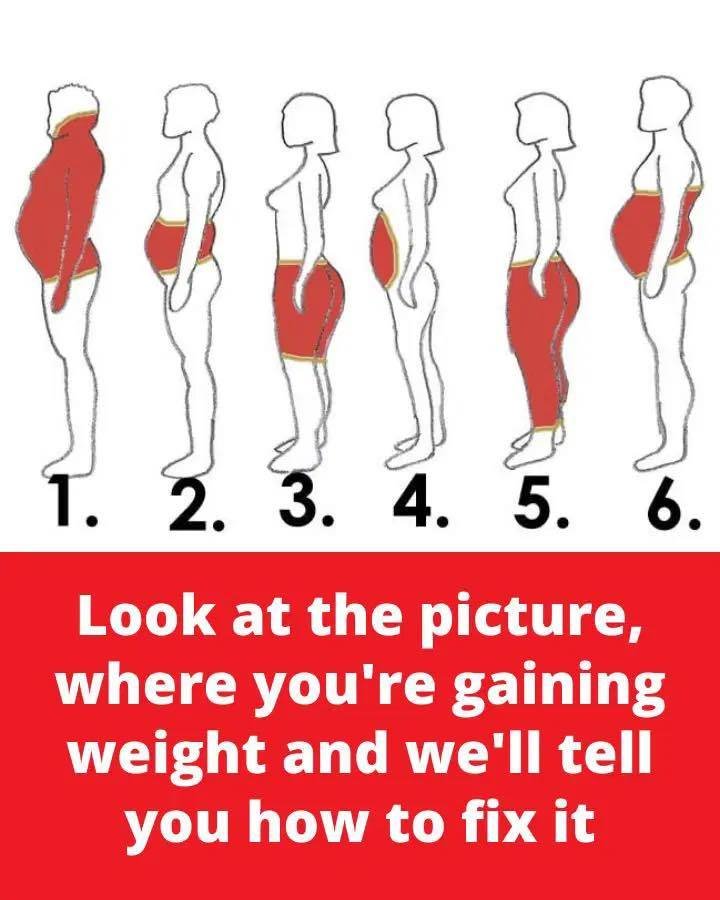
See Where You’re Accumulating Fat — and What It May Be Trying to Tell You
Have you ever noticed how weight gain doesn’t show up the same way for everyone?
Some people gain weight around the belly.
Others notice it in their hips, thighs, arms, or upper back.
This isn’t random—and it’s not just about willpower.
Where your body tends to store fat can reflect a mix of hormones, lifestyle habits, stress levels, sleep, and genetics. While you can’t “spot-reduce” fat from one area, you can influence the patterns over time by addressing the root causes.
Let’s break it down in a realistic, body-respectful way—and talk about what actually helps.
First, an Important Truth (No Gimmicks)
Before we dive in:
-
You cannot burn fat from just one specific spot
-
No exercise or drink melts fat from one area only
-
Sustainable change comes from systemic improvements, not quick tricks
That said, different fat-storage patterns often respond better to different strategies.
Belly Fat (Especially Around the Waist)
What It Often Reflects
-
Chronic stress
-
Poor sleep
-
Blood sugar instability
-
Highly processed diets
-
Sedentary lifestyle
Abdominal fat is strongly influenced by stress hormones and insulin response.
What Actually Helps
-
Prioritize sleep (7–8 hours matters more than most workouts)
-
Reduce ultra-processed foods and sugary drinks
-
Add daily walking or low-impact cardio
-
Practice stress-lowering habits (even 10 minutes helps)
👉 Focus on consistency, not intensity.
Lower Belly Fat
What It Often Reflects
-
Prolonged sitting
-
Hormonal shifts (especially with age)
-
Reduced core engagement
-
Digestive sluggishness
What Helps Over Time
-
Daily movement breaks if you sit a lot
-
Core-supporting exercises (planks, gentle pilates, standing core work)
-
Adequate protein intake
-
Hydration and fiber-rich foods
This area is often the last to change, so patience matters.
Hips and Thighs
What It Often Reflects
-
Genetics
-
Estrogen dominance
-
Long-term fat storage patterns
This type of fat is common—especially in women—and not inherently unhealthy.
What Helps
-
Strength training for lower body
-
Walking, cycling, swimming
-
Balanced nutrition (not extreme restriction)
-
Reducing inflammation through whole foods
Trying to “starve” this fat often backfires.
Upper Back and Bra Line Area
What It Often Reflects
-
Insulin resistance
-
Inconsistent eating patterns
-
Muscle loss with age
-
Poor posture
What Helps
-
Regular strength training (especially pulling movements)
-
Protein at every meal
-
Avoiding long stretches without eating, followed by overeating
-
Improving posture and upper-body mobility
This area often responds well to muscle building, not just weight loss.
Arms (Upper Arms Especially)
What It Often Reflects
-
Muscle loss over time
-
Inactivity
-
Aging-related changes
-
Overall calorie surplus
What Helps
-
Resistance training (light weights work)
-
Adequate protein
-
Consistent movement
-
Avoiding crash diets that reduce muscle
Tone comes from muscle + fat loss, not one or the other alone.
Face and Neck
What It Often Reflects
-
Overall weight changes
-
Inflammation
-
High sodium intake
-
Alcohol use
-
Sleep quality
What Helps
-
Hydration
-
Reduced alcohol and ultra-salty foods
-
Better sleep routines
-
Gradual overall fat loss
Spot treatments won’t change this—systemic habits will.
Why Stress Plays a Bigger Role Than Most People Think
Chronic stress:
-
Raises cortisol
-
Increases fat storage (especially midsection)
-
Disrupts sleep
-
Drives cravings
You can eat “perfectly” and still struggle if stress is unmanaged.
Small stress-reduction habits often lead to visible changes faster than extreme dieting.
Common Mistakes That Slow Progress
-
Trying to target one area aggressively
-
Cutting calories too low
-
Ignoring sleep and recovery
-
Doing only cardio, no strength training
-
Expecting fast results
Fat distribution changes slowly—but steadily when habits are sustainable.
What Actually Works Long-Term (Simple but Powerful)
-
Daily movement (walking counts)
-
Strength training 2–3x per week
-
Protein at every meal
-
Whole foods most of the time
-
Consistent sleep
-
Stress management
No extremes required.
A Healthier Way to Look at Fat Distribution
Your body isn’t “working against you.”
It’s responding to signals—food, stress, sleep, movement, hormones.
When you change the signals, the body adapts.
Not overnight.
Not perfectly.
But reliably.
Final Thought
Instead of asking, “How do I get rid of this fat?”
Try asking, “What does my body need right now?”
That mindset shift alone often leads to better—and more lasting—results.
💬 Join the Conversation
Which area do you notice weight changes first—and what habits have helped you most?
Share your experience or explore more body-smart health insights.
Progress starts with understanding—not punishment.