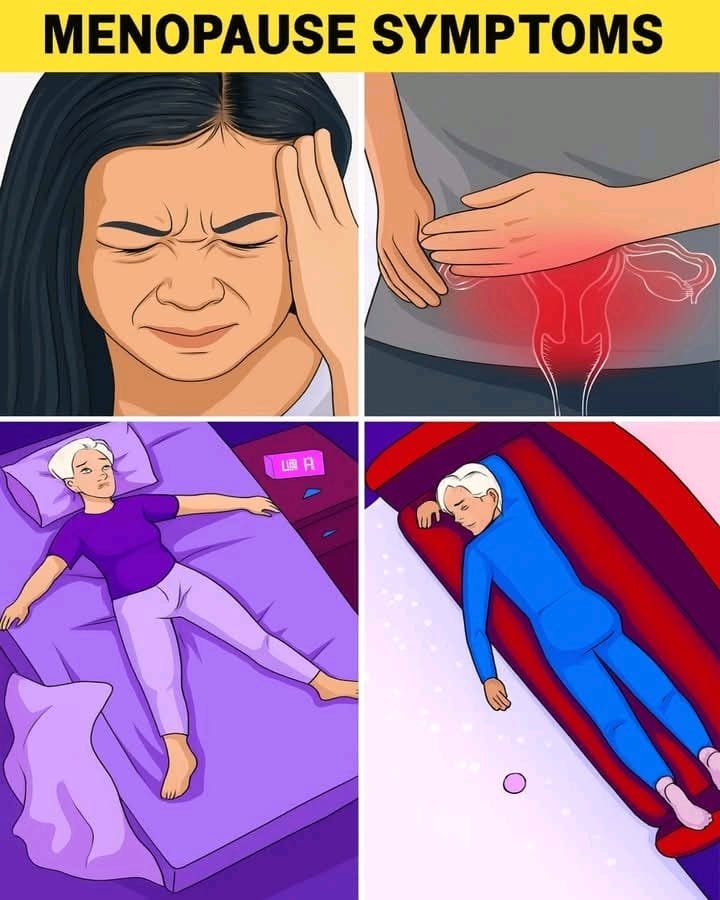
9 Surprising Signs You’re Navigating Menopause
Menopause is a natural phase in every woman’s life, marking the end of menstrual cycles. While hot flashes and irregular periods are well-known signs, there are less obvious indicators that your body is transitioning. Recognizing these signs early can help you manage symptoms effectively and maintain your overall well-being.
Disclaimer: This article is for educational purposes only and is not a substitute for medical advice. Consult your healthcare provider for personalized guidance.
1. Irregular Periods
Your menstrual cycle may start to vary in frequency or flow:
-
Periods may come closer together or farther apart.
-
Flow can become lighter or heavier.
These changes are often one of the first subtle signs of perimenopause, the stage leading up to menopause.
2. Hot Flashes and Night Sweats
Hot flashes are sudden feelings of warmth, often accompanied by flushing and sweating.
-
Night sweats can disrupt sleep and lead to fatigue.
-
Triggers may include stress, spicy foods, caffeine, or alcohol.
Even if mild, these flashes indicate that hormone levels, especially estrogen, are fluctuating.
3. Sleep Disturbances
Many women report difficulty falling or staying asleep during menopause:
-
Insomnia may result from night sweats.
-
Hormonal changes can disrupt natural sleep patterns.
-
Poor sleep can affect mood, focus, and energy levels.
4. Mood Changes
Hormonal fluctuations can influence your emotional state:
-
Increased irritability or anxiety
-
Mood swings or sudden tearfulness
-
Decreased motivation or feelings of low mood
💡 Tip: Exercise, mindfulness, and talking with a therapist or support group can help manage mood shifts.
5. Vaginal Dryness or Discomfort
Decreasing estrogen levels can lead to:
-
Vaginal dryness or irritation
-
Discomfort during intimacy
-
Mild urinary urgency
Over-the-counter lubricants, moisturizers, or prescribed hormone therapy can provide relief.
6. Changes in Hair and Skin
Menopause can affect your hair, skin, and nails:
-
Hair thinning or slower growth
-
Dry or itchy skin
-
Increased facial hair due to hormonal shifts
A balanced diet, gentle skincare, and proper hydration can help alleviate these changes.
7. Weight Gain Around the Midsection
Many women notice abdominal weight gain despite no major changes in diet or activity.
-
Hormonal shifts can affect metabolism and fat distribution.
-
Maintaining regular exercise and a healthy diet is key to managing this change.
8. Decreased Libido
Hormonal changes may reduce sexual desire:
-
Lower estrogen and testosterone levels can affect libido.
-
Vaginal dryness may contribute to discomfort during intimacy.
Open communication with a partner and consulting a healthcare provider can help address these issues.
9. Memory or Concentration Issues
Some women experience brain fog or difficulty focusing during menopause:
-
Forgetfulness or trouble multitasking
-
Difficulty recalling names or details
-
Mental fatigue
Staying mentally active, managing stress, and maintaining healthy sleep habits can improve cognitive function.
When to See a Doctor
While menopause is a natural stage, certain symptoms should prompt medical evaluation:
-
Severe hot flashes or night sweats disrupting daily life
-
Unusual vaginal bleeding after menopause
-
Sudden, unexplained weight changes
-
Persistent mood swings or depression
A healthcare provider can guide you on hormone therapy, lifestyle adjustments, or other treatments.
Final Thoughts
Menopause is a unique experience for every woman. Recognizing less obvious signs beyond hot flashes can help you manage symptoms, maintain health, and embrace this life stage with confidence.
Lifestyle strategies—balanced diet, exercise, hydration, stress management, and regular checkups—can make the transition smoother and more comfortable.
Frequently Asked Questions (FAQs)
At what age does menopause usually start?
Most women experience menopause between 45–55 years, with perimenopause beginning a few years earlier.
Can menopause cause depression?
Hormonal fluctuations may contribute to mood changes, but professional support can help manage symptoms.
Are hot flashes inevitable?
Not for everyone. Some women experience mild or no hot flashes at all.