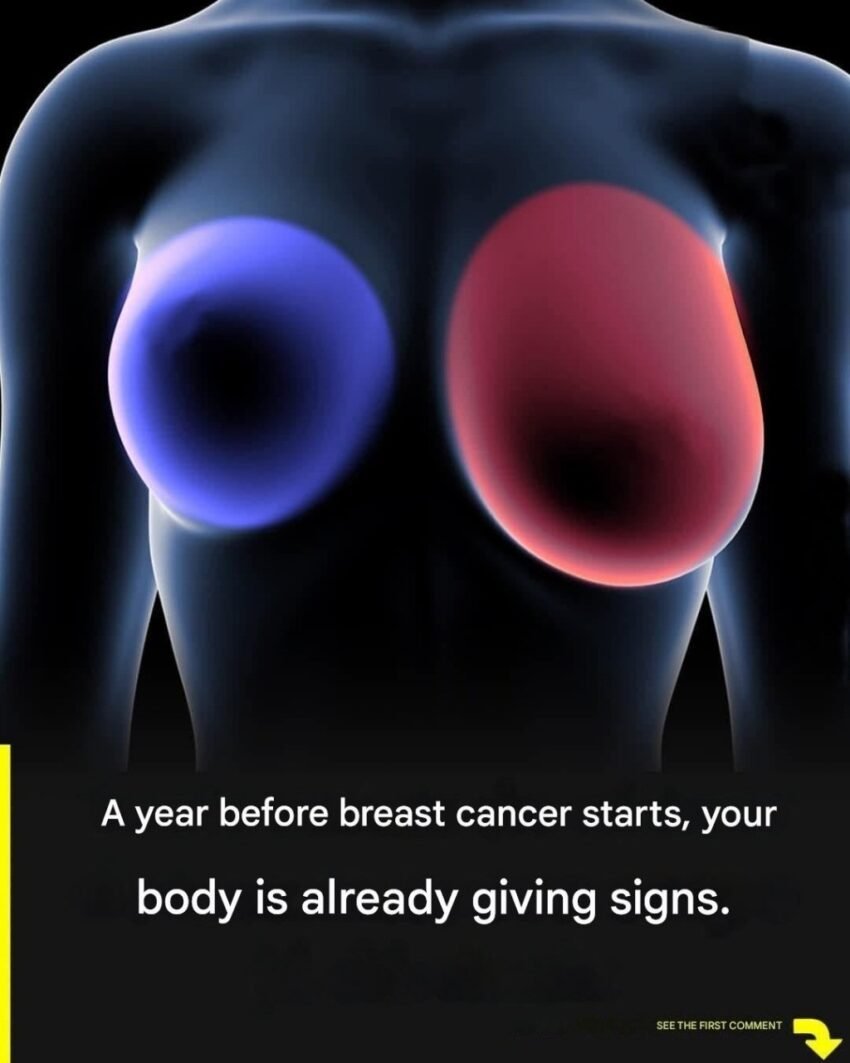
Breast Cancer: 4 Early Signs Every Woman Should Know
Breast cancer is one of the most common cancers among women worldwide, but early detection can make a life-saving difference. Recognizing warning signs—even before a lump is felt—can help women seek timely medical attention and improve treatment outcomes.
Here are four early signs every woman should know.
1. Unusual Lumps or Thickening
The most widely recognized sign of breast cancer is a new lump or area of thickened tissue in the breast or underarm.
-
Lumps may feel hard, irregular, or painless.
-
They can appear in one breast or under the arm.
-
Not all lumps are cancerous, but any new or persistent lump should be evaluated by a healthcare professional.
💡 Tip: Perform monthly self-exams to notice changes early.
2. Changes in Breast Size or Shape
Breast cancer can sometimes cause visible changes in size, shape, or symmetry:
-
One breast may appear larger or lower than usual
-
Dimpling or puckering of the skin (like an orange peel)
-
Nipple retraction (nipple turning inward)
Even subtle differences should be discussed with a doctor promptly.
3. Skin or Nipple Changes
Pay attention to changes in the breast skin or nipple, including:
-
Redness, rash, or flaky skin on the breast or nipple
-
Nipple discharge that is bloody, clear, or unusual
-
Persistent itching or tenderness
-
Changes in texture, such as thickened or scaly skin
These signs can appear without a noticeable lump, making awareness crucial.
4. Persistent Pain or Discomfort
While breast pain is not always linked to cancer, persistent or localized pain—especially if it is new or unusual—should not be ignored:
-
Pain that does not fluctuate with the menstrual cycle
-
Discomfort in one specific area rather than general tenderness
-
Pain associated with swelling or skin changes
Early evaluation can rule out cancer or detect it when it’s most treatable.
Additional Tips for Early Detection
-
Regular screenings: Mammograms remain the gold standard for early detection.
-
Know your family history: Women with relatives who had breast cancer may need earlier or more frequent screenings.
-
Report changes promptly: Don’t wait—early evaluation saves lives.
-
Healthy lifestyle: Maintaining a balanced diet, exercising, limiting alcohol, and avoiding smoking reduces risk.
When to See a Doctor
Seek medical attention immediately if you notice:
-
Any new lump or thickening in the breast or underarm
-
Changes in nipple or skin not explained by irritation
-
Persistent or unexplained pain
-
Unusual discharge
Your doctor may recommend a clinical exam, mammogram, or ultrasound to ensure accurate diagnosis.
Final Thoughts
Breast cancer is often treatable when detected early. By recognizing key warning signs—lumps, changes in size or shape, skin/nipple changes, and persistent pain—women can take proactive steps toward timely diagnosis and treatment.
Awareness, regular self-checks, and scheduled screenings are powerful tools in the fight against breast cancer.
Frequently Asked Questions (FAQs)
Can breast cancer occur without a lump?
Yes, early signs may include skin changes, nipple changes, or discomfort without a palpable lump.
How often should women get screened?
Women aged 40–54: annually; women 55+: every 1–2 years. High-risk women may need earlier or more frequent screenings.
Does pain always indicate cancer?
No, but persistent or unusual pain should be evaluated to rule out serious conditions.