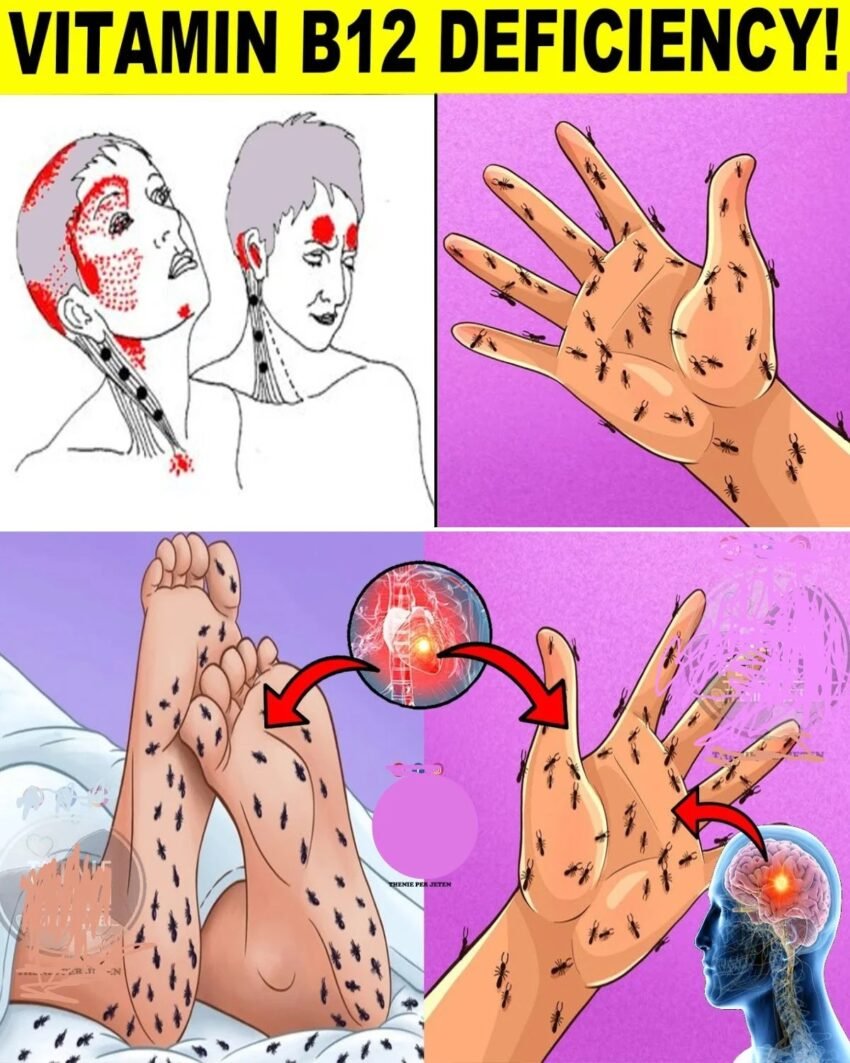
Vitamin B12 Deficiency Symptoms That Should Never Be Ignored
Learn the subtle and serious signs of B12 deficiency and how to protect your health before it’s too late
Vitamin B12 deficiency can lead to fatigue, nerve damage, and memory issues. Discover the warning signs you should never ignore for optimal health.
Introduction
Vitamin B12 is essential for your nerve function, red blood cell production, and DNA synthesis. Yet, many people—especially older adults, vegetarians, and those with digestive issues—don’t get enough.
A deficiency can develop silently, causing mild symptoms at first but potentially leading to serious health problems if left untreated.
In this guide, we’ll explore the key symptoms of B12 deficiency, why they happen, and what steps you can take to prevent long-term complications.
1. Fatigue and Weakness
-
B12 is critical for red blood cell production, which carries oxygen throughout your body.
-
Low B12 → fewer red blood cells → less oxygen, causing persistent fatigue, weakness, and shortness of breath.
Practical Tip:
-
If you’re constantly tired despite adequate sleep, ask your doctor to check B12 levels.
2. Numbness or Tingling in Hands and Feet
-
B12 deficiency can damage the myelin sheath, which protects your nerves.
-
Early signs include pins-and-needles sensations, numbness, or burning in extremities.
Why It Matters:
-
Nerve damage can become permanent if deficiency isn’t addressed.
3. Memory Problems and Cognitive Changes
-
Low B12 may lead to brain fog, forgetfulness, and difficulty concentrating.
-
Severe deficiency can mimic dementia-like symptoms in older adults.
Tip:
-
Early detection and supplementation can reverse cognitive issues before permanent damage occurs.
4. Pale or Jaundiced Skin
-
B12 helps produce healthy red blood cells; deficiency can lead to anemia, which may make your skin pale.
-
In some cases, bilirubin buildup causes a slight yellowing of the skin or eyes.
5. Shortness of Breath and Dizziness
-
Reduced red blood cell counts can limit oxygen delivery to your body.
-
Symptoms include lightheadedness, rapid heartbeat, and dizziness, especially after exertion.
6. Mood Changes and Depression
-
B12 deficiency affects neurotransmitter production, influencing mood regulation.
-
Low levels may contribute to depression, irritability, or anxiety.
Tip:
-
If mood changes occur alongside fatigue or cognitive symptoms, consider B12 testing.
7. Glossitis and Mouth Ulcers
-
B12 deficiency can cause swelling, redness, or burning of the tongue (glossitis).
-
Painful mouth ulcers may also appear.
Why It Happens:
-
B12 is crucial for cell reproduction, affecting oral tissues.
8. Vision Problems
-
Deficiency may damage the optic nerve, leading to blurred or disturbed vision.
-
Early intervention can prevent permanent vision loss.
9. Digestive Issues
-
Low B12 can cause diarrhea, constipation, nausea, or loss of appetite.
-
Those with digestive disorders like Crohn’s or celiac are at higher risk.
Causes of B12 Deficiency
-
Dietary insufficiency (common in vegans and vegetarians)
-
Poor absorption due to digestive conditions
-
Medications such as proton pump inhibitors or metformin
-
Age-related decrease in stomach acid
How to Prevent and Treat B12 Deficiency
-
Dietary Sources:
-
Meat, fish, poultry, eggs, and dairy
-
Fortified cereals and plant-based milk alternatives
-
-
Supplements:
-
Oral tablets or sublingual drops
-
Injections for severe deficiency (prescribed by a doctor)
-
-
Regular Screening:
-
Especially for older adults, vegetarians, or those with digestive conditions
-
When to See a Doctor
Seek medical advice if you experience:
-
Persistent fatigue or weakness
-
Numbness or tingling in hands and feet
-
Memory issues or mood changes
-
Unexplained pale or yellow skin
Early detection prevents irreversible nerve and cognitive damage.
Vitamin B12 deficiency can quietly affect your energy, mood, nerves, and overall health. By recognizing these symptoms early and taking proactive steps—through diet, supplements, and medical guidance—you can protect your body and mind for the long term.
💬 Tip: A simple blood test can reveal if you’re deficient—don’t wait until symptoms worsen.