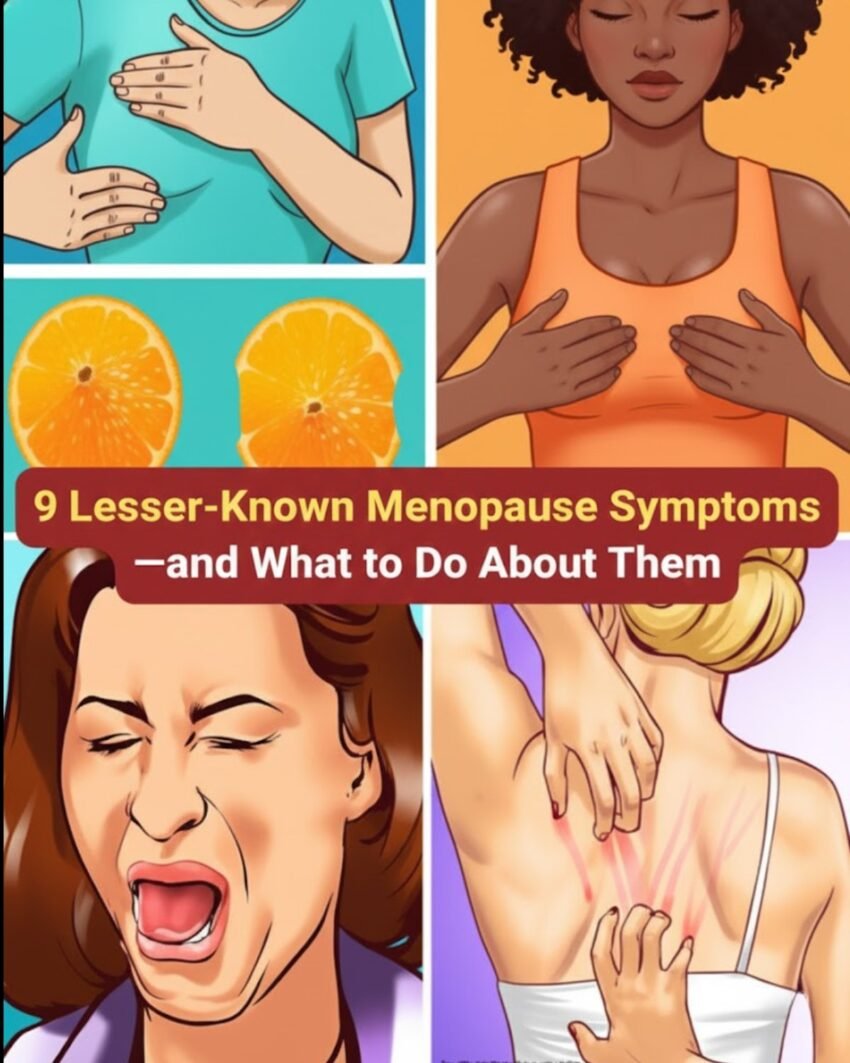
Early Menopause: 10 Signs (and More) to Watch Out For! 🌸
Learn the early signs of menopause, what to watch for, and how to manage symptoms naturally and medically for better health and wellness.
Introduction: Why Early Menopause Matters
Menopause is a natural phase of life, typically occurring around age 51, when your menstrual cycles end and your hormone levels shift. But for some women, menopause happens earlier than expected—before age 45, a condition known as early or premature menopause.
Early menopause can be physically and emotionally challenging, affecting fertility, bone health, heart health, and overall quality of life. Recognizing the signs early can help you take proactive steps to manage symptoms and protect long-term health.
In this article, we’ll cover:
-
The 10 key signs of early menopause
-
Other potential symptoms to watch
-
Causes and risk factors
-
Lifestyle and medical strategies for managing symptoms
-
Expert advice and FAQs
Section 1: Understanding Early Menopause
What Is Early Menopause?
Early menopause occurs when ovarian function declines before age 45, sometimes even in the late 30s. When it happens before age 40, it is considered premature ovarian insufficiency (POI).
Why it matters:
-
Reduced estrogen levels can affect heart, bones, and mental health
-
Fertility declines earlier than expected
-
Symptoms may be more severe or sudden compared to natural menopause
Statistics:
-
About 1% of women experience menopause before age 40
-
Around 5% experience menopause between 40–45
Section 2: 10 Early Signs of Menopause
Here are the most common signs to watch for:
1. Irregular Periods 🩸
-
Periods may become less predictable, with skipped cycles or lighter/heavier flow.
-
Early changes in menstrual patterns are often the first noticeable sign.
2. Hot Flashes and Night Sweats 🌡️
-
Sudden feeling of heat, flushing, or sweating
-
Can disrupt sleep and lead to fatigue and irritability
3. Sleep Disturbances 🛌
-
Trouble falling or staying asleep
-
Night sweats may contribute
-
Poor sleep affects mood, energy, and cognitive function
4. Mood Swings and Anxiety 😟
-
Hormonal fluctuations can cause irritability, anxiety, or depression
-
Many women notice increased emotional sensitivity
5. Vaginal Dryness and Discomfort 🌸
-
Lower estrogen reduces vaginal lubrication
-
Can lead to itching, burning, or pain during sex
6. Decreased Libido ❤️
-
Reduced estrogen and testosterone may lower sexual desire
-
Can affect relationships and self-esteem
7. Cognitive Changes 🧠
-
Difficulty concentrating or “brain fog”
-
Short-term memory lapses may become more frequent
8. Changes in Hair and Skin 💇♀️
-
Hair may thin or become brittle
-
Skin may feel drier and lose elasticity
-
Nails may also become more fragile
9. Weight Gain or Changes in Body Composition ⚖️
-
Estrogen loss can redistribute body fat around the abdomen
-
Metabolism may slow, making weight management harder
10. Bone Health Concerns 🦴
-
Estrogen protects bones; early menopause increases risk of osteoporosis
-
Women may notice fractures or joint discomfort earlier than expected
Section 3: Other Symptoms That May Appear
-
Headaches or migraines
-
Heart palpitations
-
Breast tenderness
-
Digestive changes
-
Fatigue or low energy
Tip: Symptoms vary widely; some women experience only a few signs, while others notice many.
Section 4: Causes and Risk Factors
Genetic Factors:
-
Family history of early menopause increases your risk
Medical Procedures:
-
Hysterectomy (removal of uterus) or oophorectomy (removal of ovaries)
-
Chemotherapy or radiation therapy
Lifestyle Factors:
-
Smoking
-
Extreme stress
-
Very low body weight or eating disorders
Autoimmune Disorders:
-
Conditions like thyroid disease or lupus can impact ovarian function
Section 5: Health Risks of Early Menopause
Early menopause can affect long-term health:
-
Bone health: Increased risk of osteoporosis and fractures
-
Heart health: Higher risk of heart disease due to lower estrogen
-
Mental health: Anxiety, depression, and cognitive decline
-
Fertility: Natural conception becomes unlikely
Tip: Early detection allows for preventive care, such as bone density scans, heart health monitoring, and fertility counseling.
Section 6: Managing Early Menopause Naturally
1. Diet and Nutrition 🥗
-
Include calcium-rich foods: dairy, leafy greens, almonds
-
Get vitamin D: sunlight, fortified foods, or supplements
-
Eat phytoestrogen-rich foods: soy, flaxseed, lentils
-
Stay hydrated and avoid excess sugar and alcohol
2. Exercise 🏃♀️
-
Weight-bearing exercises strengthen bones
-
Cardio supports heart health
-
Yoga or Pilates helps with flexibility, balance, and stress reduction
3. Stress Management 🧘♀️
-
Meditation, deep breathing, and mindfulness can reduce mood swings
-
Support groups or therapy can help navigate emotional changes
4. Sleep Hygiene 🌙
-
Maintain a consistent sleep schedule
-
Keep the bedroom cool and dark
-
Avoid caffeine and electronics before bedtime
Section 7: Medical Treatments and Therapies
-
Hormone Replacement Therapy (HRT): Can reduce hot flashes, protect bones, and support mood
-
Non-hormonal medications: Certain antidepressants or gabapentin may help with hot flashes
-
Vaginal estrogen creams or gels: Relieve dryness and discomfort
-
Bone health supplements: Calcium, vitamin D, and medications if needed
Note: Always consult a gynecologist or endocrinologist for a personalized treatment plan.
Section 8: Practical Tips for Daily Life
-
Track symptoms in a menopause journal
-
Schedule regular checkups for heart, bone, and hormone health
-
Wear breathable clothing and layer to manage hot flashes
-
Stay socially connected to reduce stress and mood changes
-
Consider fertility options if planning pregnancy (egg freezing, IVF)
Section 9: Myths and Misconceptions About Early Menopause
-
Myth: “Early menopause is rare.”
-
Reality: It affects 5–10% of women before 45, and 1% before 40.
-
-
Myth: “Menopause means the end of sexual life.”
-
Reality: With lubrication aids and intimacy strategies, sexual health can continue.
-
-
Myth: “Only older women need to worry about bone or heart health.”
-
Reality: Early menopause increases risks years earlier than average.
-
Section 10: FAQs About Early Menopause
1. Can early menopause be reversed?
-
Typically no, but symptoms can be managed effectively.
2. How do I know if I’m in early menopause?
-
Irregular periods, hot flashes, mood changes, and lab tests of FSH and estrogen levels.
3. Can I still get pregnant?
-
Fertility declines significantly; consult a fertility specialist for options.
4. Does early menopause affect life expectancy?
-
With healthy lifestyle and medical monitoring, risks can be minimized.
5. Are natural remedies effective?
-
Some herbs (black cohosh, red clover) may help mild symptoms but consult your doctor first.
6. How often should I see my doctor?
-
At least annually, more often if experiencing severe symptoms or bone/heart risk factors.
7. Can exercise help?
-
Yes, it supports bones, heart health, mood, and weight management.
8. Is hormone therapy safe?
-
Generally safe under medical supervision; benefits often outweigh risks for early menopause.
Conclusion: Taking Charge of Early Menopause
Early menopause can feel sudden and overwhelming, but knowledge is power. By recognizing the signs early, adopting healthy lifestyle habits, and seeking medical guidance, you can protect your health, manage symptoms, and maintain quality of life.
Next Steps:
-
Track your menstrual cycles and symptoms
-
Speak with a healthcare provider about hormone levels and bone health
-
Prioritize diet, exercise, sleep, and stress management
Remember: Early menopause is not the end—it’s a new chapter where proactive care can make a significant difference.
💬 Call to Action:
Share your experience or questions in the comments! If you found this article helpful, share it with friends or family who may benefit from early awareness and lifestyle tips.