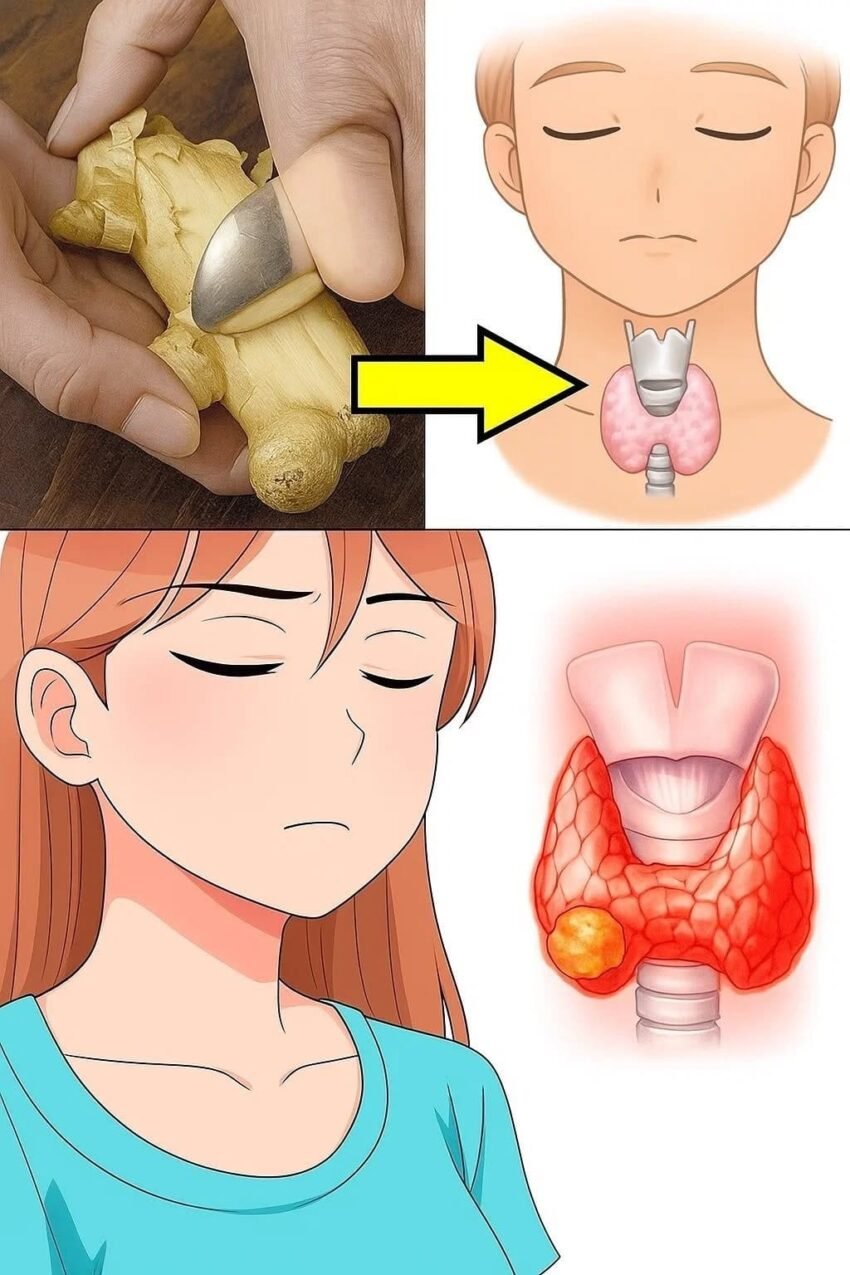
19 Foods to Avoid If You Have Hypothyroidism or Thyroid Problems
Discover 19 foods that can worsen hypothyroidism, affect thyroid hormone absorption, and tips for maintaining thyroid health naturally.
Introduction: Why Diet Matters for Thyroid Health
Hypothyroidism, or an underactive thyroid, affects millions of Americans, especially women over 35. The thyroid regulates metabolism, energy, and even mood.
Certain foods can interfere with thyroid function, hormone production, or medication absorption. Avoiding these can help improve energy levels, metabolism, and overall well-being.
In this article, you’ll discover 19 foods to avoid if you have hypothyroidism, the reasons behind each, and healthier alternatives.
Section 1: Foods That Interfere With Thyroid Hormones
1. Soy Products
-
Includes tofu, soy milk, edamame
-
Can block absorption of thyroid hormones
-
If consuming, space it 4 hours apart from thyroid medication
2. Cruciferous Vegetables (Raw)
-
Broccoli, cauliflower, cabbage, kale, Brussels sprouts
-
Contain goitrogens, which may impair thyroid hormone production if eaten raw
-
Cooking reduces this effect
3. Gluten-Containing Foods
-
Wheat, barley, rye, pastries
-
Gluten may trigger autoimmune thyroid reactions in people with Hashimoto’s thyroiditis
4. Processed Foods
-
Packaged snacks, fast foods, sugary items
-
High in sodium and unhealthy fats, which may worsen thyroid inflammation
5. Certain Nuts and Seeds in Excess
-
Peanuts, pine nuts, and soy nuts
-
Contain goitrogens that may impact thyroid function when eaten in large quantities
Section 2: Foods That Can Affect Thyroid Medication
6. Coffee and Caffeinated Beverages
-
Can interfere with absorption of thyroid hormone medication
-
Take medications on an empty stomach and wait at least 30–60 minutes before coffee
7. High-Fiber Foods (Excessive)
-
Beans, lentils, bran
-
Excessive fiber may reduce hormone absorption
-
Balance fiber intake around medication timing
8. Fatty Foods
-
Fried foods, fast food, and high-fat dairy
-
Can slow thyroid hormone absorption
9. Iron and Calcium-Rich Foods (Timing Matters)
-
Spinach, kale, dairy, fortified cereals, supplements
-
These bind to thyroid medication and reduce absorption
-
Take separate from medication by at least 4 hours
Section 3: Specific Fruits and Vegetables to Limit
10. Peaches, Strawberries, and Pears (In Excess)
-
Contain mild goitrogens
-
Moderate intake is usually fine if cooked or balanced
11. Sweet Potatoes
-
High in beta-carotene, may impact thyroid conversion in very large amounts
12. Spinach (Raw, Excessive)
-
Contains oxalates that interfere with mineral absorption needed for thyroid health
Section 4: Beverages and Additives
13. Alcohol
-
Can suppress thyroid function and liver metabolism of hormones
14. Sugary Drinks
-
Soda, sweetened teas, energy drinks
-
Can contribute to weight gain and metabolic stress in hypothyroidism
15. Highly Iodized Salt (Excess)
-
Too much iodine can worsen autoimmune thyroid disorders
-
Use moderate iodized salt or sea salt
Section 5: Miscellaneous Foods to Limit
16. Certain Seaweeds in Excess
-
Kelp, nori, wakame
-
Very high iodine content can trigger thyroid dysfunction if overconsumed
17. Peanuts and Peanut Butter (Large Quantities)
-
Contain goitrogens that may impact hormone production
18. Soy-Based Protein Powders
-
Concentrated soy can interfere with thyroid hormones
-
Use cautiously and not close to medication timing
19. Highly Processed Meats
-
Bacon, sausages, hot dogs
-
High sodium and preservatives may stress the thyroid and metabolism
Section 6: Tips for Thyroid-Friendly Eating
-
Balance goitrogens with cooking – steaming or boiling reduces their impact
-
Time your medications carefully – at least 30–60 minutes before eating, and avoid calcium/iron for 4 hours
-
Focus on nutrient-rich foods – lean proteins, healthy fats, vegetables, berries, and whole grains (gluten-free if sensitive)
-
Stay hydrated – supports metabolism and digestion
-
Limit processed foods and sugar to reduce inflammation
Section 7: When to See a Doctor
Seek medical advice if you experience:
-
Persistent fatigue or weakness
-
Unexplained weight changes
-
Hair loss, brittle nails, or dry skin
-
Cold intolerance or swelling in the neck
Nutritional adjustments support thyroid function but do not replace prescription thyroid medication.
Conclusion: Protect Your Thyroid With Smart Food Choices
Hypothyroidism can be managed effectively with a combination of medication, nutrition, and lifestyle habits. Avoiding these 19 foods helps:
-
Improve hormone absorption
-
Reduce inflammation
-
Support energy, metabolism, and overall wellness
Paying attention to your diet ensures your thyroid can function at its best, supporting your long-term health and vitality.
Call to Action
-
Review your pantry and identify foods to limit for thyroid health
-
Share this guide with family or friends managing hypothyroidism
-
Pair dietary changes with exercise, sleep, and routine checkups for optimal thyroid support