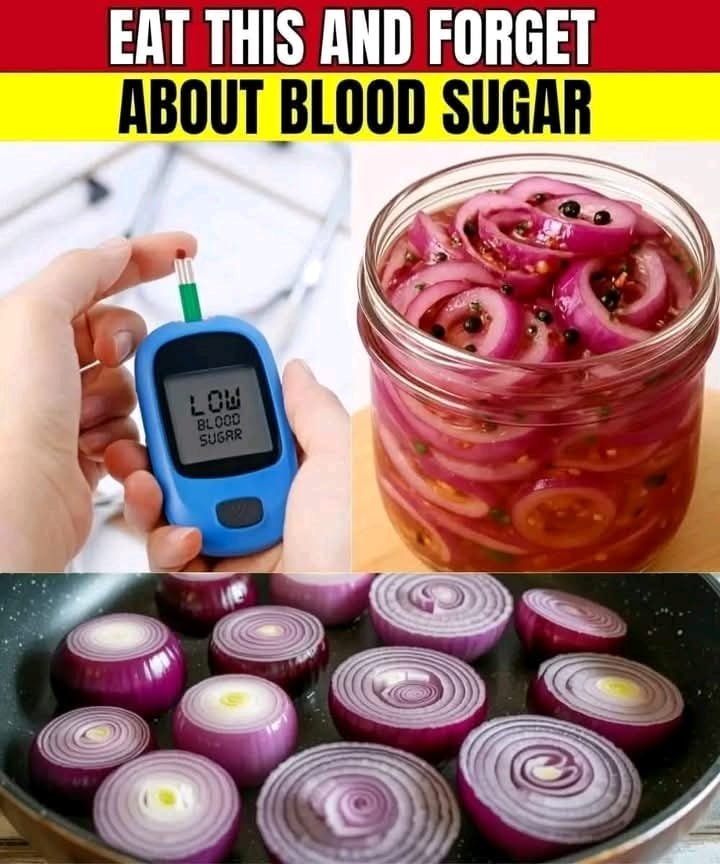
The Onion Recipe Everyone’s Talking About: What It Really Does for Blood Sugar, Arteries, and Heart Health
Discover the truth behind the viral onion recipe—how onions may support blood sugar control, artery health, and heart wellness, backed by science.
3. Introduction
If you’ve spent any time on Facebook, YouTube, or health blogs lately, you’ve probably seen a bold claim floating around:
“This simple onion recipe destroys diabetes, cleans your arteries, and saves your heart.”
That kind of headline stops people in their tracks—especially in the United States, where heart disease and diabetes affect millions of families every year.
But here’s the honest question most people are afraid to ask:
Is there any real truth behind it, or is it just another internet exaggeration?
In this article, we’re going to slow things down, take the hype out of the conversation, and look at what onions actually do for your body—based on nutrition science, real-world use, and common sense.
You’ll learn:
-
Why onions have been linked to blood sugar and heart health
-
What research really says (and what it doesn’t)
-
How to prepare a practical, onion-based recipe that fits an American lifestyle
-
Who benefits the most—and who should be cautious
-
Common mistakes people make with “miracle food” trends
No fear tactics. No false promises. Just clear, trustworthy information you can actually use.
4. The Bigger Picture: Why Americans Are Searching for Answers
Heart Disease and Diabetes in the U.S.
In the United States:
-
Heart disease remains the leading cause of death
-
Millions of adults live with type 2 diabetes or prediabetes
-
Many people are actively looking for food-based, affordable ways to support their health
It’s no surprise that simple kitchen ingredients—like onions—are suddenly getting attention. They’re inexpensive, familiar, and already part of many American meals.
But food is not medicine in the “instant cure” sense.
What food can do is support your body’s systems when used consistently and wisely.
That’s where onions come in.
5. Understanding Onions: More Than Just Flavor
What Exactly Is an Onion?
Onions belong to the Allium family, which also includes garlic, leeks, and shallots. They’ve been used for centuries in traditional cooking and folk remedies around the world.
In the U.S., onions are one of the most commonly consumed vegetables—found in everything from burgers and soups to salads and stir-fries.
Key Nutrients Found in Onions
Onions are low in calories but rich in beneficial compounds:
-
Flavonoids (especially quercetin)
-
Sulfur-containing compounds
-
Fiber, including prebiotics
-
Vitamin C
-
Potassium
These nutrients help explain why onions are often associated with heart and metabolic health.
6. Can Onions “Destroy Diabetes”? Let’s Get Real
The Honest Truth About Diabetes
Diabetes—especially type 2—is a complex condition involving:
-
Insulin resistance
-
Blood sugar regulation
-
Lifestyle, genetics, and diet
There is no single food that can cure or “destroy” diabetes.
However, some foods can support healthier blood sugar levels when included as part of a balanced diet.
How Onions May Support Blood Sugar Control
Research suggests onions may help by:
-
Supporting insulin sensitivity
-
Slowing digestion due to fiber content
-
Reducing oxidative stress
Certain compounds in onions, including quercetin, have been studied for their role in glucose metabolism.
What this means in real life:
Eating onions regularly may help stabilize blood sugar levels—but only alongside:
-
Balanced meals
-
Portion control
-
Physical activity
-
Medical guidance
They are a supportive food, not a standalone solution.
7. The Artery Health Claim: Can Onions “Clean” Your Arteries?
What “Clogged Arteries” Really Means
Arteries don’t get “dirty” like pipes.
Instead, plaque builds up over time due to:
-
High LDL cholesterol
-
Inflammation
-
Smoking
-
Poor dietary patterns
No food scrubs plaque away overnight.
How Onions Support Vascular Health
Onions may help artery health indirectly by:
-
Supporting healthy cholesterol levels
-
Reducing inflammation
-
Promoting better blood vessel function
Quercetin, in particular, has been studied for its role in:
-
Supporting endothelial (blood vessel) function
-
Reducing oxidative damage
Translation:
Onions help create an environment where your arteries function better—but they don’t perform a physical “cleaning.”
8. Heart Health and Onions: What Science Supports
Why the Heart Benefits From Onion-Rich Diets
Heart-healthy eating patterns in the U.S. (such as the DASH or Mediterranean-style diets) often include:
-
Vegetables like onions
-
Fiber-rich foods
-
Natural antioxidants
Onions contribute by:
-
Supporting healthy blood pressure
-
Adding flavor without sodium
-
Replacing ultra-processed ingredients
Real-World Example
Instead of relying on salty sauces or processed seasonings, many Americans use caramelized onions, raw red onions, or sautéed onions to enhance meals naturally—supporting heart-friendly eating habits.
9. The Onion Recipe Everyone Mentions (And How to Make It Safely)
A Simple, Heart-Conscious Onion Recipe
This recipe is often shared online as a “miracle remedy.” Here’s a grounded, practical version that fits into a healthy lifestyle.
Ingredients
-
1 medium red or yellow onion
-
1 tablespoon olive oil
-
Optional: garlic, black pepper, herbs
-
Optional add-ins: leafy greens, beans, or lean protein
Step-by-Step Preparation
-
Slice the onion thinly
-
Heat olive oil on low to medium heat
-
Add onions and cook slowly for 10–15 minutes
-
Stir occasionally until soft and lightly golden
-
Add herbs or vegetables as desired
How to Use It
-
As a topping for grilled chicken or fish
-
Mixed into whole-grain bowls
-
Added to omelets or vegetable scrambles
This isn’t medicine—it’s nutrient-dense food.
10. Raw vs Cooked Onions: Does It Matter?
Raw Onions
Pros:
-
Higher levels of certain compounds
-
Crisp texture and strong flavor
Cons:
-
Can irritate digestion
-
Not ideal for everyone
Cooked Onions
Pros:
-
Easier to digest
-
Still rich in beneficial compounds
-
More versatile in meals
Best approach:
A mix of both, depending on tolerance.
11. Pros and Cons of Using Onions for Health
Pros
-
Affordable and widely available in the U.S.
-
Easy to include in daily meals
-
Adds flavor without extra sugar or sodium
-
Supports overall dietary quality
Cons
-
Not a cure for chronic disease
-
Overconsumption may cause bloating
-
Some people are sensitive to FODMAPs
-
Benefits depend on overall lifestyle
12. Common Mistakes People Make
1. Expecting Instant Results
Health improvements take weeks or months, not days.
2. Ignoring the Rest of Their Diet
Adding onions to processed foods doesn’t cancel out poor habits.
3. Skipping Medical Advice
Food supports treatment—it doesn’t replace professional care.
4. Falling for Extreme Claims
If something sounds too good to be true, it usually is.
13. Practical Tips for Everyday Americans
-
Add onions to meals you already eat
-
Use them to reduce salt and sugar intake
-
Pair them with fiber and protein
-
Stay consistent, not extreme
Small changes matter more than dramatic gestures.
14. FAQs (People Also Ask Style)
Can onions lower blood sugar naturally?
They may help support healthy blood sugar levels when part of a balanced diet.
Are raw onions better than cooked ones?
Both have benefits. Choose what your body tolerates best.
How often should I eat onions?
A few times per week is reasonable for most people.
Can onions replace diabetes medication?
No. Always follow your healthcare provider’s guidance.
Do onions unclog arteries?
They support artery health but don’t physically remove plaque.
Are onions good for blood pressure?
They may help as part of a heart-healthy diet.
Which onion is healthiest?
Red, yellow, and white onions all offer benefits.
Can everyone eat onions?
Most people can, but some may experience digestive discomfort.
Are onion supplements better than food?
Whole foods are generally preferred unless advised otherwise.
15. Latest Trends and Future Outlook
Nutrition research is increasingly focused on dietary patterns, not miracle ingredients. Onions continue to be studied as part of vegetable-rich diets linked to long-term health benefits.
The future isn’t about superfoods—it’s about sustainable habits.
16. Final Thoughts: Separating Hype From Helpful Habits
The idea that an onion recipe can “destroy diabetes” or “clean arteries” makes for a catchy headline—but real health doesn’t work that way.
What onions can do is:
-
Support better eating habits
-
Add flavor without harmful extras
-
Contribute valuable plant compounds
-
Fit easily into American kitchens
And that’s actually more powerful than any miracle claim.
17. Call-To-Action
If you found this article helpful:
-
Share it with someone who’s tired of health hype
-
Leave a comment with how you use onions in your meals
-
Explore more evidence-based nutrition insights on this topic
Sometimes the best health upgrades start with what’s already in your kitchen.