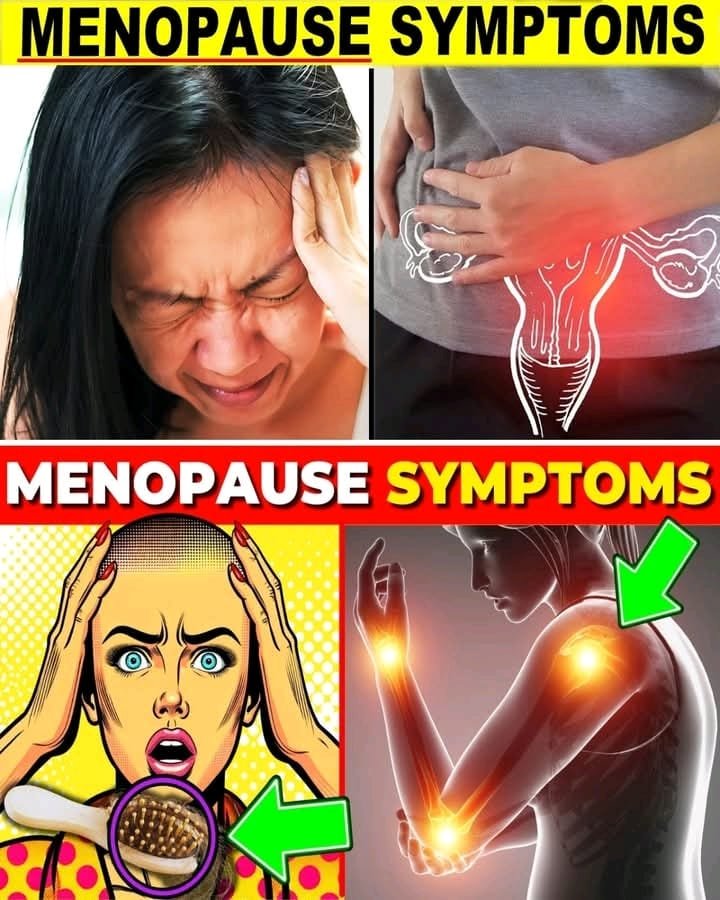
9 Signs You’re Actually Going Through Menopause
Menopause is a natural stage of life—but for many women, it arrives quietly and unexpectedly. Symptoms can begin years before periods completely stop, during a phase called perimenopause, making it confusing to recognize what’s really happening to your body.
If you’ve been feeling “off” lately and wondering whether menopause could be the reason, these nine common signs may offer important clues.
What Is Menopause?
Menopause is officially diagnosed when a woman has gone 12 consecutive months without a menstrual period. It usually occurs between ages 45 and 55, but symptoms can begin earlier.
The transition happens as estrogen and progesterone levels decline, affecting nearly every system in the body.
🔴 9 Signs You’re Actually Going Through Menopause
1️⃣ Irregular Periods
One of the earliest and most reliable signs of menopause is a change in your menstrual cycle.
You may notice:
-
Periods coming closer together or farther apart
-
Heavier or lighter bleeding
-
Skipped periods
These changes often start during perimenopause and can last several years.
2️⃣ Hot Flashes and Night Sweats
Sudden waves of heat, sweating, and flushing—especially at night—are classic menopause symptoms.
Hot flashes may include:
-
Rapid heartbeat
-
Reddened skin
-
Chills after sweating
Night sweats can disrupt sleep and cause fatigue.
3️⃣ Trouble Sleeping (Insomnia)
Many women going through menopause struggle with:
-
Difficulty falling asleep
-
Waking up during the night
-
Early morning waking
Hormonal shifts and night sweats often play a role, leading to chronic sleep deprivation.
4️⃣ Mood Swings, Anxiety, or Irritability
Declining estrogen can affect brain chemicals like serotonin, influencing mood.
You may experience:
-
Sudden irritability
-
Anxiety or restlessness
-
Low mood or tearfulness
These emotional changes are real and biologically driven—not “just stress.”
5️⃣ Vaginal Dryness or Discomfort
Lower estrogen levels can thin vaginal tissues and reduce natural lubrication.
Symptoms may include:
-
Dryness
-
Burning or itching
-
Pain during intercourse
This is a common but often under-discussed sign of menopause.
6️⃣ Changes in Libido
Some women notice a decrease in sexual desire, while others may experience changes in arousal or sensitivity.
Contributing factors include:
-
Hormonal shifts
-
Vaginal dryness
-
Fatigue and mood changes
7️⃣ Brain Fog or Memory Issues
Many women report:
-
Difficulty concentrating
-
Forgetfulness
-
Trouble finding words
Often referred to as “menopause brain fog,” these symptoms are temporary but frustrating.
8️⃣ Weight Gain (Especially Around the Abdomen)
Hormonal changes during menopause can alter how the body stores fat.
You may notice:
-
Weight gain despite no lifestyle changes
-
Increased belly fat
-
Slower metabolism
This shift is common and not a personal failure.
9️⃣ Joint Pain or Muscle Aches
Estrogen helps protect joints and reduce inflammation. As levels drop, some women experience:
-
Stiffness
-
Aching joints
-
Increased muscle soreness
These symptoms are often worse in the morning or after inactivity.
When Should You See a Doctor?
You should talk to a healthcare provider if:
-
Symptoms interfere with daily life
-
Period changes are extreme or prolonged
-
Hot flashes or mood symptoms are severe
Blood tests are not always necessary, but they may help rule out other conditions like thyroid disorders.
Managing Menopause Symptoms
Treatment options may include:
-
Lifestyle changes (diet, exercise, sleep habits)
-
Hormone therapy (for some women)
-
Non-hormonal medications
-
Vaginal estrogen for dryness
-
Stress reduction techniques
Management should always be personalized.
Frequently Asked Questions
Can menopause start in your 30s or early 40s?
Yes. Early menopause and perimenopause can occur earlier than expected.
Do symptoms stop once menopause is complete?
Some symptoms fade, while others—like vaginal dryness—may persist without treatment.
Is menopause the same for everyone?
No. Symptoms, timing, and severity vary widely.
Final Thoughts
Menopause is not a sudden event—it’s a transition. If you recognize several of these signs, your body may be signaling that you’re entering this new phase of life.
Understanding what’s happening empowers you to seek support, make informed choices, and navigate menopause with confidence.