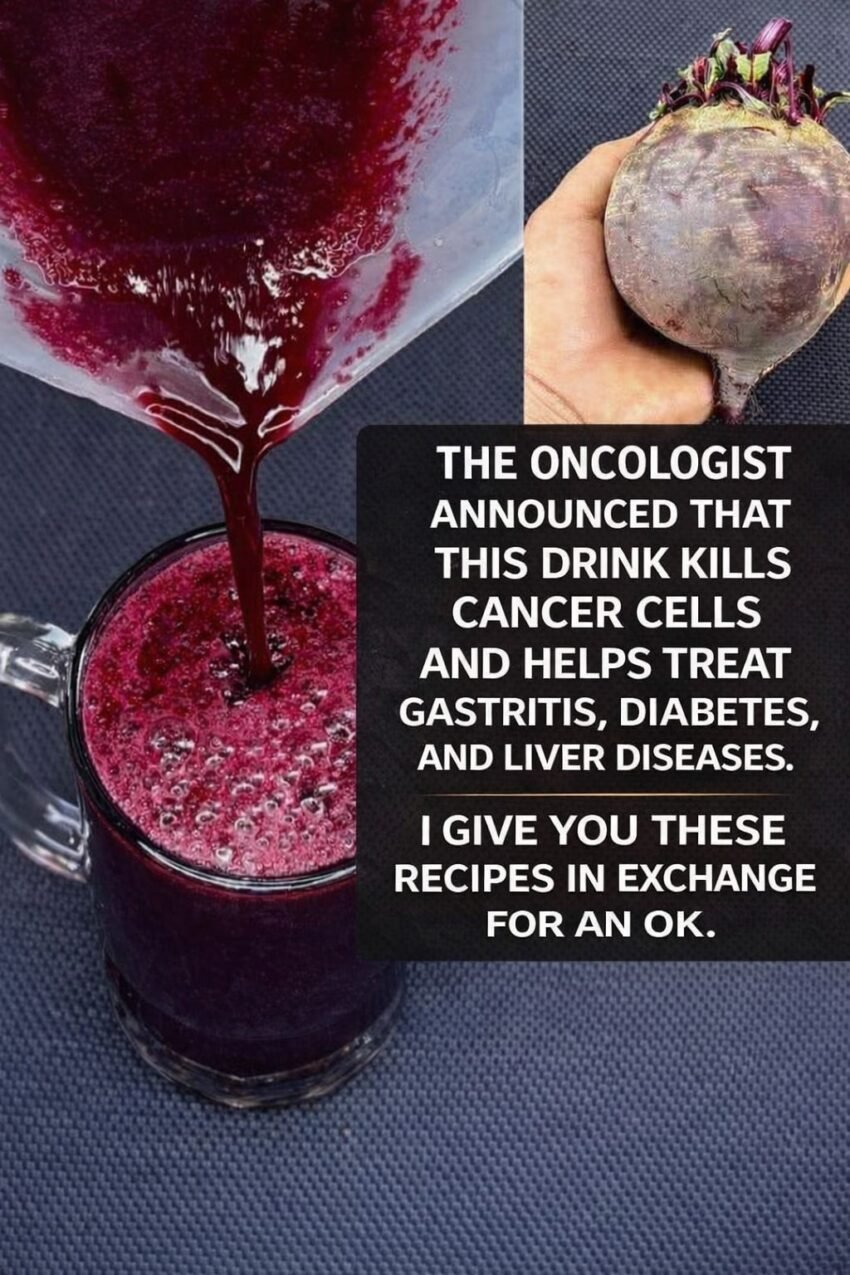
Beetroot Juice and Cancer: What Science Really Says
Beetroot juice is nutritious and may support health, but can it kill cancer cells? Learn what research actually shows and safe ways to include it in your diet.
Introduction
Claims about foods “killing cancer cells” can spread quickly online, but it’s essential to separate fact from hype. Beetroot, with its vibrant color and rich nutrients, has drawn attention for its potential anti-cancer properties.
Doctors and researchers stress that while beetroot juice is healthy, it is not a replacement for cancer treatment. In this article, you’ll discover:
-
What beetroot contains that may support health
-
What lab studies really show
-
Safe ways to include beetroot juice in your diet
What Makes Beetroot Special
Beetroot is high in:
-
Nitrates – which support blood flow and heart health
-
Antioxidants – including betalains, which may help reduce oxidative stress
-
Fiber, vitamins, and minerals – like folate, potassium, and vitamin C
These compounds support overall wellness and may help the body maintain healthy cellular function.
Beetroot Juice and Cancer Cells: What Research Shows
Laboratory Studies
Some lab studies have tested beetroot extracts on cancer cells in petri dishes. Findings suggest:
-
Certain compounds in beetroot can slow the growth of cancer cells in vitro (in a lab).
-
Betalains and other antioxidants may help reduce oxidative stress, which is linked to some cancer mechanisms.
Important caveats:
-
These studies are not the same as human clinical trials. Results in a dish do not mean the same effect will occur in the human body.
-
There is no evidence that drinking beetroot juice alone can cure or eliminate cancer.
Human Studies
-
Research in humans is limited. Most studies focus on beetroot’s cardiovascular and liver benefits rather than cancer treatment.
-
Some clinical trials are ongoing to explore beetroot’s potential as an adjunct therapy, meaning it could support overall health alongside medical treatment.
Safe Ways to Include Beetroot Juice in Your Diet
Even though it’s not a cure, beetroot juice is a nutrient-packed, delicious addition to a healthy diet:
-
Fresh Beet Juice – ½ to 1 cup per day is safe for most people
-
Smoothies – Blend with berries or spinach for added antioxidants
-
Roasted Beet Salads – Keep fiber intact and enjoy whole beet benefits
-
Pickled Beets – Provides probiotics and vitamins
Tips:
-
Drink in moderation; high nitrate intake may affect certain medications.
-
People with kidney issues or prone to kidney stones should monitor beet consumption due to oxalates.
FAQs
Q1: Can beetroot juice cure cancer?
No. While it has antioxidants that may support health, it is not a replacement for cancer treatment.
Q2: How long should I drink beetroot juice for health benefits?
Daily or several times per week is fine. There’s no set “42-day cure.” Benefits come from consistent, long-term dietary patterns.
Q3: Can beetroot juice interfere with medications?
High nitrate levels may interact with certain blood pressure medications. Always consult your doctor if you are on medication.
Q4: Are there side effects?
Some people may experience beeturia (pink/red urine) or mild digestive discomfort. These are harmless for most people.
Bottom Line
Beetroot juice is a nutritious, antioxidant-rich beverage that may support overall health and wellness. Laboratory studies show it can affect cancer cells in vitro, but there’s no evidence it can cure cancer in humans.
Enjoy beetroot juice as part of a balanced, nutrient-rich diet, but rely on professional medical care for cancer treatment.
Call-to-Action
Add beetroot juice to your meals for a heart-healthy, nutrient-rich boost, and share your favorite recipes with friends. Always consult your doctor before making dietary changes, especially if managing health conditions.