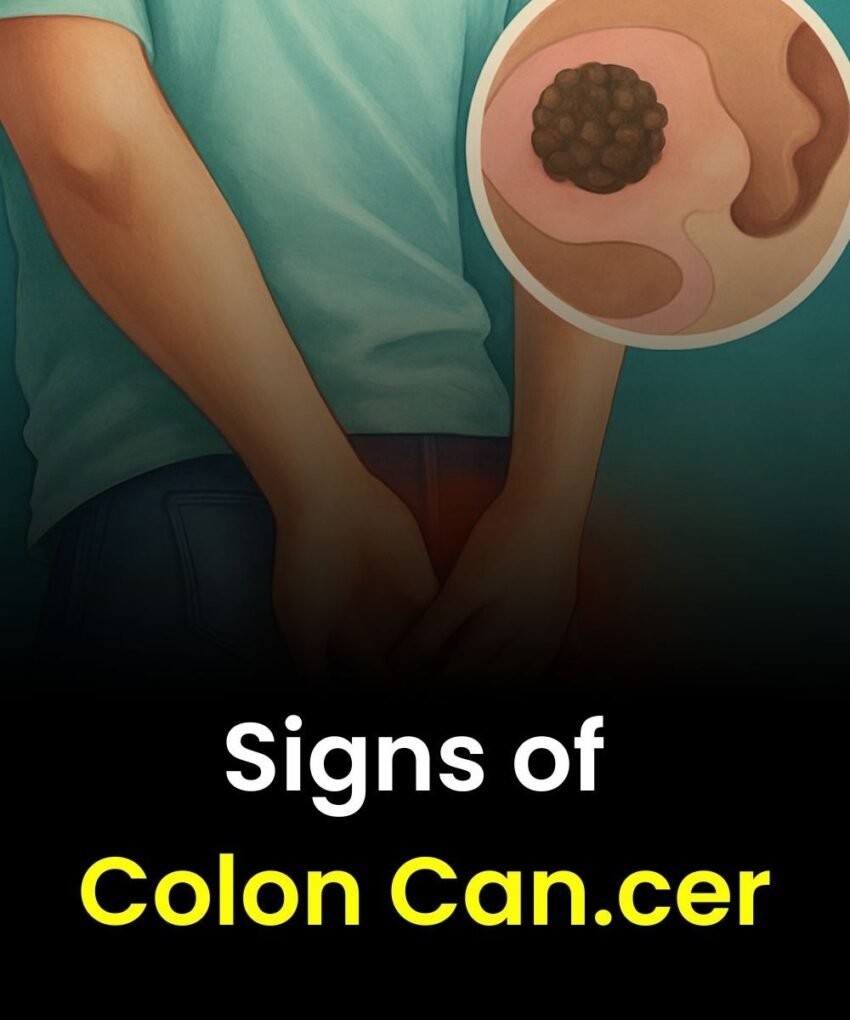
Factors That Increase the Risk and Signs of Colon Cancer
Colon cancer, also called colorectal cancer, is a serious disease affecting the large intestine or rectum. Early detection is crucial, as treatment is more effective when the cancer is caught in its initial stages. Knowing the risk factors and warning signs can help you take proactive steps to protect your health.
Risk Factors for Colon Cancer
Certain lifestyle choices, medical conditions, and genetic factors can increase the likelihood of developing colon cancer.
1. Age
-
Colon cancer risk increases significantly after age 50.
-
People under 50 can get it too, but it’s less common.
2. Family History and Genetics
-
Having a first-degree relative (parent, sibling, child) with colon cancer increases risk.
-
Certain genetic syndromes, like Lynch syndrome or Familial Adenomatous Polyposis (FAP), greatly increase susceptibility.
3. Diet and Lifestyle
-
Diets high in red or processed meat and low in fiber are linked to higher risk.
-
Lack of physical activity, obesity, smoking, and heavy alcohol consumption also contribute.
4. Personal Medical History
-
History of polyps in the colon or rectum
-
Chronic inflammatory bowel diseases like ulcerative colitis or Crohn’s disease
-
Type 2 diabetes may slightly increase risk
Early Signs and Symptoms of Colon Cancer
Colon cancer may develop silently, but certain signs can signal a problem. If you notice these, consult your doctor promptly.
1. Changes in Bowel Habits
-
Persistent diarrhea or constipation
-
Narrow or thin stools that last more than a few days
-
Feeling that the bowel doesn’t empty completely
2. Blood in Stool
-
Bright red blood or dark, tarry stools
-
Can indicate bleeding in the colon or rectum
3. Abdominal Discomfort
-
Cramps, gas, or bloating
-
Persistent abdominal pain that doesn’t improve
4. Unexplained Weight Loss
-
Losing weight without dieting or exercise may be a warning sign
-
Often accompanied by fatigue or weakness
5. Fatigue and Weakness
-
Chronic tiredness can occur due to blood loss from tumors
-
May be subtle at first but gradually noticeable
Preventive Measures
While not all cases of colon cancer are preventable, these steps can reduce risk:
-
Screening tests: Colonoscopy, stool tests, or sigmoidoscopy for early detection
-
Healthy diet: High in fiber, fruits, vegetables, and whole grains
-
Regular exercise: At least 150 minutes of moderate activity per week
-
Avoid smoking and limit alcohol
-
Monitor family history and discuss genetic testing if necessary
When to See a Doctor
-
If you notice persistent changes in bowel habits
-
Blood in stool or unexplained abdominal pain
-
Unexplained weight loss or fatigue
Early evaluation can lead to earlier detection and better outcomes.
Final Thoughts
Colon cancer is a serious but often treatable disease when caught early. Understanding the risk factors—age, family history, lifestyle choices, and medical conditions—along with the warning signs, can save lives. Regular screenings and a healthy lifestyle are key to prevention and early intervention.
FAQs
Can young people get colon cancer?
Yes, while more common after 50, incidence in younger adults is rising.
Is blood in stool always a sign of colon cancer?
Not always—it can be caused by hemorrhoids or minor injuries, but it should never be ignored.
How often should I get screened for colon cancer?
Most adults should begin screening at age 45–50, but those at higher risk may need earlier tests.