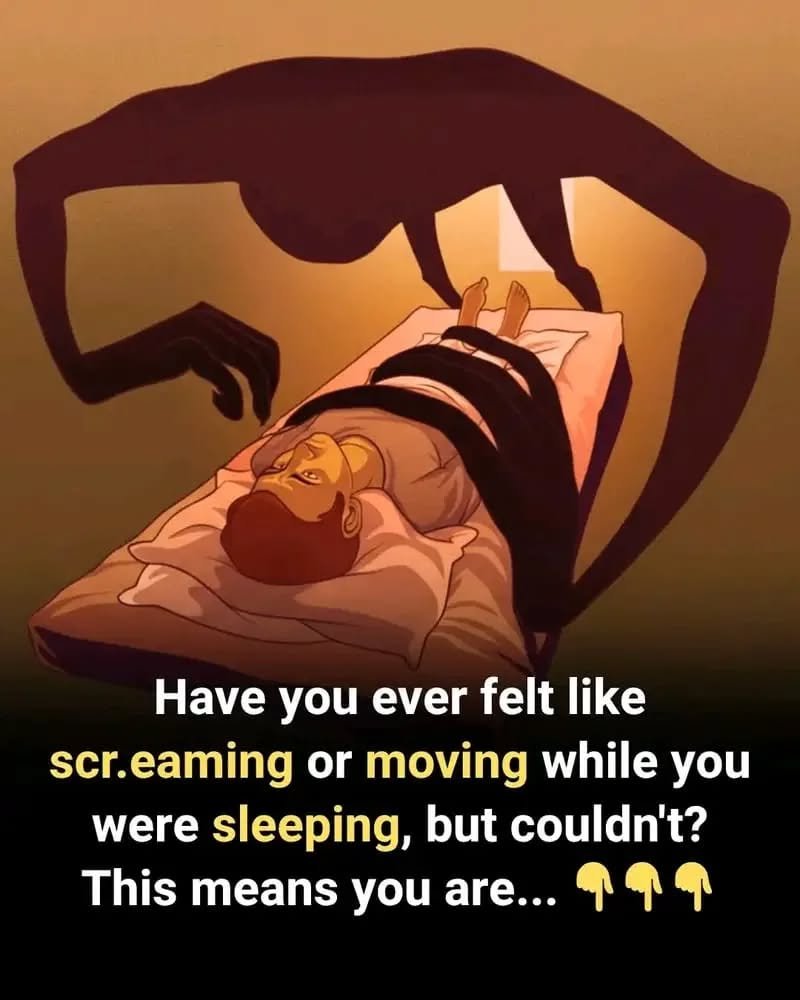
Has This Ever Happened to You? The Strange Phenomenon That Freezes You
Has this ever happened to you? You wake up suddenly, aware of your surroundings, but you can’t move, speak, or scream. Your body feels heavy, your chest feels tight, and panic sets in. You try to move—but nothing happens.
If this sounds familiar, you’re not alone. Millions of people around the world have experienced this strange and frightening condition at least once in their lives. The phenomenon is known as sleep paralysis.
What Is Sleep Paralysis?
Sleep paralysis is a temporary condition that occurs when your body is transitioning between sleep and wakefulness. During this time, your brain wakes up, but your body remains in a state of muscle relaxation that normally happens during deep sleep.
This mismatch creates the unsettling sensation of being awake but frozen.
Why Does the Body “Freeze”?
During REM (Rapid Eye Movement) sleep, your brain naturally shuts down most muscle movement to prevent you from physically acting out your dreams. Sleep paralysis happens when:
-
Your mind wakes up before your body
-
The muscle shutdown doesn’t turn off immediately
-
You regain awareness while unable to move
The result feels frightening—but it is not dangerous.
Common Symptoms of Sleep Paralysis
People experience sleep paralysis differently, but common symptoms include:
-
Inability to move or speak
-
Pressure on the chest
-
Shortness of breath or tight breathing
-
Intense fear or panic
-
Sensation of a presence in the room
-
Vivid or dream-like imagery
These episodes usually last a few seconds to a couple of minutes.
Why It Feels So Real and Terrifying
The brain is still partially in a dream state during sleep paralysis. This can cause the mind to blend reality with dream imagery, making sensations feel extremely real.
Historically, different cultures explained this phenomenon as:
-
A shadow figure
-
A spirit sitting on the chest
-
A supernatural presence
Today, science explains it as a neurological sleep disorder, not something paranormal.
What Triggers Sleep Paralysis?
Several factors increase the likelihood of experiencing sleep paralysis:
-
Lack of sleep
-
Irregular sleep schedules
-
High stress or anxiety
-
Sleeping on your back
-
Jet lag or shift work
-
Certain medications
The more disrupted your sleep cycle is, the higher the risk.
Is Sleep Paralysis Dangerous?
Sleep paralysis itself is harmless, although it can feel extremely distressing. It does not cause suffocation, brain damage, or death.
However, frequent episodes may be linked to:
-
Chronic sleep disorders
-
Anxiety or panic conditions
-
Poor sleep quality
If episodes happen often, medical advice is recommended.
How to Break Out of an Episode
If sleep paralysis happens, these techniques may help:
-
Focus on slow breathing
-
Try to move a finger or toe
-
Blink your eyes repeatedly
-
Stay calm and remind yourself it will pass
Panic can make the experience feel longer and more intense.
How to Reduce Future Episodes
You can lower the chances of sleep paralysis by:
-
Maintaining a regular sleep schedule
-
Getting enough sleep nightly
-
Reducing stress before bed
-
Avoiding sleeping on your back
-
Limiting caffeine and screens at night
Good sleep hygiene is the most effective prevention.
When to See a Doctor
Seek professional advice if:
-
Episodes happen frequently
-
Sleep paralysis is affecting mental health
-
You experience excessive daytime sleepiness
-
You suspect an underlying sleep disorder
Frequently Asked Questions (FAQs)
Can anyone experience sleep paralysis?
Yes. Most people experience it at least once in their lifetime.
Is sleep paralysis linked to dreams?
Yes. It occurs during REM sleep when dreams are most vivid.
Can sleep paralysis be cured?
There is no single cure, but lifestyle changes can significantly reduce episodes.
Final Thoughts
Sleep paralysis may feel terrifying, but understanding what’s happening can make a powerful difference. It’s a temporary misfire between the brain and body, not a threat.
If you’ve ever experienced that strange moment where your body freezes but your mind is awake, now you know—you’re not alone, and it’s explainable.