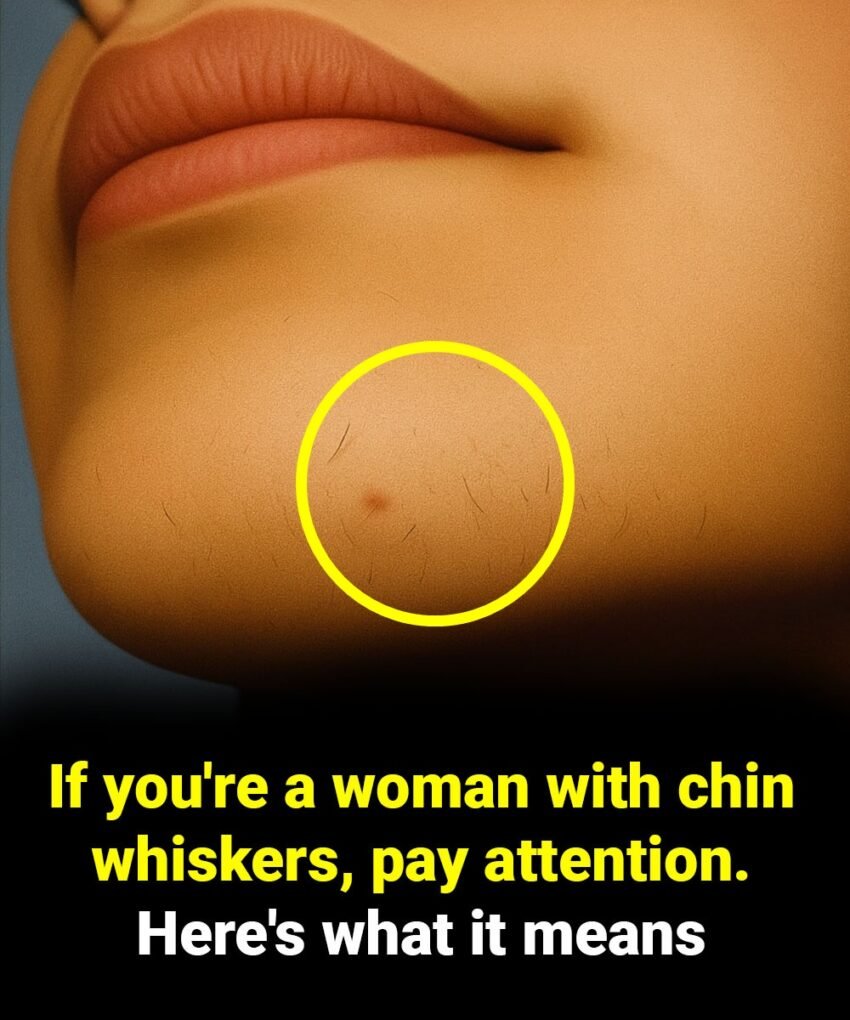
If You’re a Woman With Chin Whiskers, Pay Attention
Noticing a few coarse hairs on your chin can be surprising—and sometimes concerning. While facial hair in women is more common than many people realize, it can occasionally be a signal that your body is trying to tell you something important.
This article explains why chin whiskers appear, when they’re normal, and when they may deserve attention, all in a clear and non-alarming way.
Is Chin Hair in Women Normal?
Yes—occasional chin hairs are completely normal for many women, especially with age. Hormonal fluctuations throughout life can change hair growth patterns, texture, and thickness.
Common life stages where chin hair may appear include:
-
Puberty
-
Pregnancy
-
Postpartum
-
Perimenopause and menopause
In many cases, a few chin hairs are simply a cosmetic issue, not a medical one.
The Role of Hormones in Chin Hair Growth
Facial hair growth in women is often linked to androgens, a group of hormones that includes testosterone. Women naturally produce small amounts of these hormones.
When androgen levels increase—or when hair follicles become more sensitive to them—coarse facial hair may develop.
Possible Reasons for Chin Whiskers
1. Hormonal Changes
Natural hormonal shifts can stimulate thicker or darker hair growth on the chin and jawline.
2. Genetics
If women in your family have chin hair, you may be more likely to develop it as well.
3. Aging and Menopause
Lower estrogen levels during menopause can allow androgens to have a stronger effect, leading to facial hair growth.
4. Polycystic Ovary Syndrome (PCOS)
PCOS is a common hormonal condition that can cause:
-
Increased facial or body hair
-
Irregular menstrual cycles
-
Acne
-
Weight changes
Not all women with chin hair have PCOS, but persistent or excessive growth may be worth discussing with a healthcare provider.
5. Certain Medications
Some medications can affect hormone levels or hair growth patterns as a side effect.
When Chin Whiskers May Deserve Medical Attention
You should consider seeking medical advice if chin hair growth is:
-
Sudden or rapidly increasing
-
Accompanied by irregular periods
-
Paired with acne or hair thinning on the scalp
-
Associated with unexplained weight gain
These signs don’t automatically mean a serious problem—but they are worth checking.
Safe and Common Hair Removal Options
If chin whiskers bother you, several safe options are available:
-
Tweezing
-
Threading
-
Waxing
-
Dermaplaning
-
Laser hair reduction (for suitable candidates)
The best option depends on hair thickness, skin sensitivity, and personal preference.
Lifestyle Habits That Support Hormonal Balance
While not a cure, healthy habits can support overall hormonal health:
-
Balanced nutrition
-
Regular physical activity
-
Stress management
-
Adequate sleep
Small changes can make a noticeable difference over time.
Frequently Asked Questions (FAQs)
Does plucking chin hair make it grow back thicker?
No. Hair may feel coarser as it grows back, but plucking does not change hair thickness or growth rate.
Is chin hair a sign of high testosterone?
It can be, but not always. Many women with normal hormone levels have chin hair.
Can chin whiskers go away on their own?
Sometimes, especially if they’re related to temporary hormonal changes.
Final Thoughts
If you’re a woman with chin whiskers, there’s no need for panic—or embarrassment. In most cases, it’s a normal variation of the human body. However, paying attention to changes, patterns, and accompanying symptoms can help you make informed decisions about your health.
Your body often communicates through small signs. Listening doesn’t mean assuming the worst—it means staying informed and empowered.