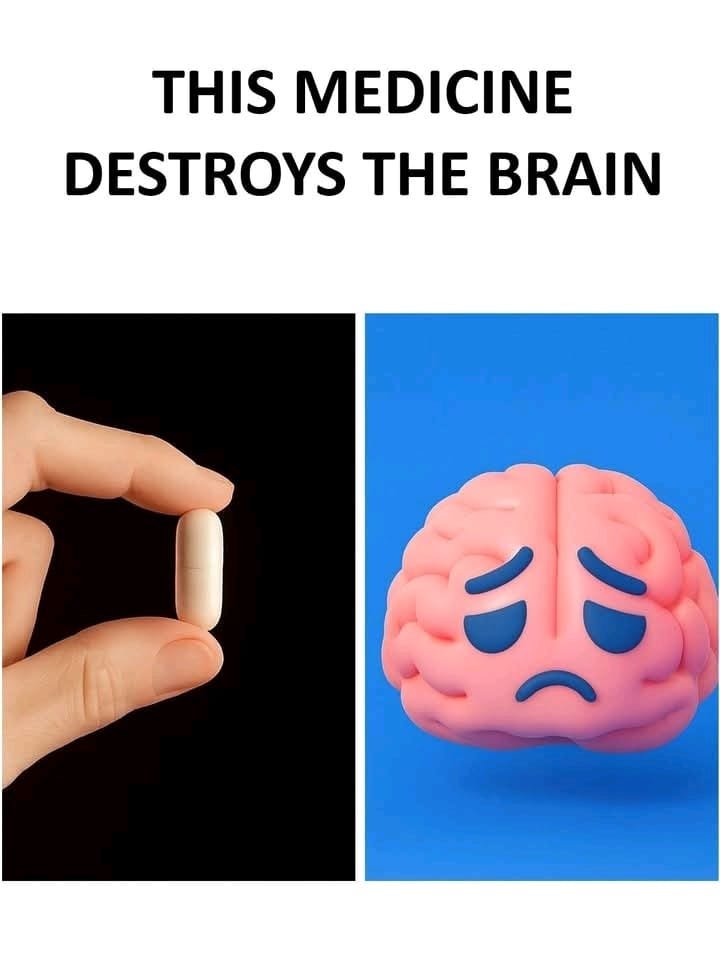
Alert! 8 Drugs That Can Increase the Risk of Dementia
Dementia is a serious condition affecting memory, thinking, and daily functioning, and while age and genetics play a major role, certain medications may increase the risk of cognitive decline. Being aware of these drugs can help you have informed discussions with your healthcare provider and minimize potential risks.
1. Benzodiazepines
What They Are:
Commonly prescribed for anxiety, insomnia, and seizures, examples include diazepam (Valium), lorazepam (Ativan), and alprazolam (Xanax).
Risk:
Long-term use has been linked to memory impairment, confusion, and increased dementia risk, especially in older adults.
Safer Alternatives:
-
Cognitive-behavioral therapy (CBT) for anxiety
-
Short-term sleep aids under medical supervision
2. Anticholinergic Drugs
What They Are:
These block acetylcholine, a brain neurotransmitter important for memory. Common anticholinergic drugs include:
-
Diphenhydramine (found in allergy medications like Benadryl)
-
Certain antidepressants and bladder medications
Risk:
Regular use can cause confusion, forgetfulness, and higher dementia risk.
Safer Alternatives:
-
Non-drowsy antihistamines (e.g., loratadine)
-
Targeted therapies for bladder issues
3. Proton Pump Inhibitors (PPIs)
What They Are:
Used for acid reflux, heartburn, and GERD. Examples: omeprazole, lansoprazole, esomeprazole.
Risk:
Long-term use has been associated with memory decline and increased dementia risk in some studies.
Safer Alternatives:
-
Lifestyle changes: smaller meals, avoid late-night eating
-
Short-term or intermittent PPI use
4. Certain Sleeping Pills
What They Are:
Prescription sleep aids like zolpidem (Ambien) or eszopiclone (Lunesta).
Risk:
May impair memory, attention, and cognitive function if used regularly for long periods.
Safer Alternatives:
-
Sleep hygiene practices: consistent sleep schedule, reduced screen time
-
Relaxation techniques: meditation, warm baths
5. Some Antidepressants
What They Are:
Tricyclic antidepressants (TCAs) like amitriptyline, imipramine, and nortriptyline.
Risk:
Can have anticholinergic effects, contributing to memory issues, confusion, and dementia in older adults.
Safer Alternatives:
-
SSRIs (e.g., sertraline, escitalopram) with lower cognitive risk
-
Talk therapy and lifestyle interventions
6. Certain Antipsychotics
What They Are:
Used to treat psychosis, bipolar disorder, or agitation in dementia. Examples: risperidone, olanzapine, quetiapine.
Risk:
May increase cognitive decline and dementia risk, especially in older adults without severe psychiatric conditions.
Safer Alternatives:
-
Non-drug interventions for behavioral symptoms
-
Close monitoring and lowest effective dose if necessary
7. Opioid Painkillers
What They Are:
Prescription pain relievers like oxycodone, hydrocodone, and morphine.
Risk:
Long-term use can contribute to cognitive impairment, memory loss, and confusion.
Safer Alternatives:
-
Non-opioid pain management: acetaminophen, NSAIDs (with caution)
-
Physical therapy and lifestyle approaches for chronic pain
8. Certain Anti-Seizure Medications
What They Are:
Older anticonvulsants like phenytoin or phenobarbital.
Risk:
Can affect cognitive function and memory, especially in older adults.
Safer Alternatives:
-
Newer anticonvulsants with fewer cognitive side effects (e.g., levetiracetam)
-
Regular monitoring by a neurologist
Important Notes
-
Do not stop any prescribed medication without consulting your doctor.
-
Risk varies by age, dosage, and duration of use.
-
Many of these drugs are necessary for certain medical conditions, so weighing risks versus benefits is crucial.
-
Discuss alternatives, dose adjustments, or monitoring strategies with your healthcare provider.
Tips for Protecting Brain Health
-
Maintain a healthy lifestyle: Balanced diet, exercise, and mental stimulation.
-
Regular check-ups: Review medications with your doctor or pharmacist.
-
Manage chronic conditions: Diabetes, high blood pressure, and cholesterol can affect cognitive health.
-
Stay socially engaged: Connections with friends and family support brain health.
Final Thoughts
Some medications are essential for managing health conditions, but awareness of their potential impact on memory and cognition is critical. By staying informed and working with your healthcare provider, you can reduce risks, protect brain health, and make safer choices.