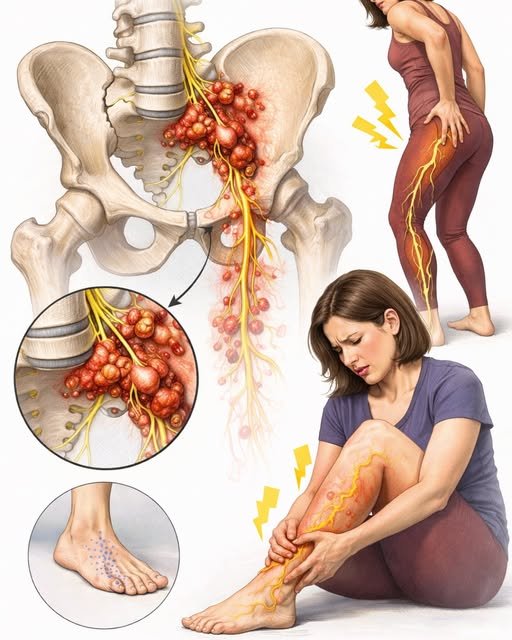
Endometriosis on the Spinal Cord: Symptoms, Causes, Risks, and Treatment Options
Endometriosis is commonly associated with pelvic pain and reproductive organs, but in rare and serious cases, endometrial-like tissue can affect areas far beyond the pelvis — including the spinal cord. This condition, often called spinal endometriosis, is uncommon but can cause significant neurological symptoms and long-term complications if not diagnosed early.
In this article, we’ll explain what spinal cord endometriosis is, its symptoms, possible causes, diagnosis, and available treatment options.
⚠️ This article is for educational purposes only and does not replace professional medical advice or diagnosis.
What Is Endometriosis?
Endometriosis is a chronic condition where tissue similar to the uterine lining (endometrium) grows outside the uterus. These growths can cause inflammation, pain, and scarring, especially during the menstrual cycle.
Most commonly affected areas include:
-
Ovaries
-
Fallopian tubes
-
Pelvic lining
-
Bladder and bowel
However, extra-pelvic endometriosis can occur in rare cases.
What Is Spinal Cord Endometriosis?
Spinal cord endometriosis refers to endometrial-like tissue growing in or near the spinal cord, spinal nerves, or surrounding structures such as the epidural space.
This form is extremely rare but potentially serious due to the risk of nerve compression and neurological damage.
How Does Endometriosis Reach the Spine?
The exact mechanism is not fully understood, but several theories exist:
-
Hematogenous spread – endometrial cells travel through the bloodstream
-
Lymphatic spread – cells move through the lymphatic system
-
Metaplasia – local cells transform into endometrial-like tissue
-
Surgical dissemination – previous pelvic or spinal surgeries may contribute
Hormonal stimulation, especially estrogen, plays a key role in the growth of these lesions.
Symptoms of Endometriosis on the Spinal Cord
Symptoms vary depending on the location and degree of nerve involvement. Many symptoms worsen cyclically, especially during menstruation.
Common symptoms include:
1. Severe Back Pain
-
Often localized to the lower back or mid-spine
-
May worsen during menstrual periods
2. Radiating Nerve Pain
-
Pain spreading to hips, legs, or buttocks
-
Similar to sciatica
3. Numbness or Tingling
-
Pins-and-needles sensation
-
Reduced sensation in legs or feet
4. Muscle Weakness
-
Difficulty walking or standing
-
Loss of coordination
5. Bowel or Bladder Dysfunction
-
Urinary retention or incontinence
-
Constipation or loss of bowel control
6. Cyclical Neurological Symptoms
-
Symptoms flare during menstruation
-
Improvement after the menstrual cycle
⚠️ Sudden weakness, loss of sensation, or bladder control is a medical emergency.
Why Spinal Endometriosis Is Often Misdiagnosed
Because it is rare, spinal endometriosis is frequently mistaken for:
-
Herniated discs
-
Sciatica
-
Multiple sclerosis
-
Spinal tumors
-
Chronic back pain disorders
Delayed diagnosis can lead to permanent nerve damage.
How Is Spinal Endometriosis Diagnosed?
Diagnosis is challenging and often requires multiple steps:
1. Medical History
-
History of endometriosis
-
Cyclical pain patterns
2. MRI Imaging
-
MRI is the most useful tool for detecting spinal lesions
-
May show masses compressing nerves or spinal cord
3. Surgical Biopsy
-
Definitive diagnosis usually requires tissue confirmation
Collaboration between gynecologists, neurologists, and neurosurgeons is often necessary.
Treatment Options for Spinal Cord Endometriosis
Treatment depends on symptom severity, lesion location, and neurological involvement.
1. Hormonal Therapy
Used to suppress estrogen and reduce lesion growth:
-
Oral contraceptives
-
Progestins
-
GnRH agonists
Hormonal treatment may relieve symptoms but does not always eliminate lesions.
2. Surgical Treatment
Surgery may be necessary if there is:
-
Spinal cord compression
-
Progressive neurological symptoms
-
Failure of medical therapy
Surgical goals include:
-
Removing endometrial tissue
-
Relieving nerve pressure
-
Preventing permanent damage
3. Pain Management and Rehabilitation
-
Physical therapy
-
Neuropathic pain medications
-
Multidisciplinary pain management
Potential Complications If Untreated
If left untreated, spinal endometriosis can lead to:
-
Chronic nerve pain
-
Permanent weakness or paralysis
-
Loss of bladder or bowel control
-
Reduced quality of life
Early diagnosis greatly improves outcomes.
Who Is at Higher Risk?
You may be at higher risk if you:
-
Have severe or long-standing endometriosis
-
Experience cyclical neurological symptoms
-
Have unexplained back pain linked to menstruation
-
Have a history of pelvic or spinal surgery
Living With Spinal Endometriosis
Managing this condition often requires:
-
Long-term medical follow-up
-
Hormonal management
-
Lifestyle adjustments
-
Emotional and psychological support
Support groups and specialized care centers can be helpful for coping with a rare diagnosis.
Final Thoughts
Endometriosis on the spinal cord is rare but potentially disabling. Awareness of cyclical back pain and neurological symptoms is critical for early diagnosis and treatment. If you have known endometriosis and experience unusual nerve-related symptoms, prompt medical evaluation is essential.
Early intervention can protect nerve function and significantly improve quality of life.
Frequently Asked Questions (FAQ)
Q: Is spinal endometriosis life-threatening?
It is rarely life-threatening, but untreated nerve compression can cause permanent damage.
Q: Can spinal endometriosis be cured?
There is no absolute cure, but symptoms can often be managed effectively with treatment.
Q: Does spinal endometriosis always cause back pain?
Not always, but back or nerve pain is one of the most common symptoms.