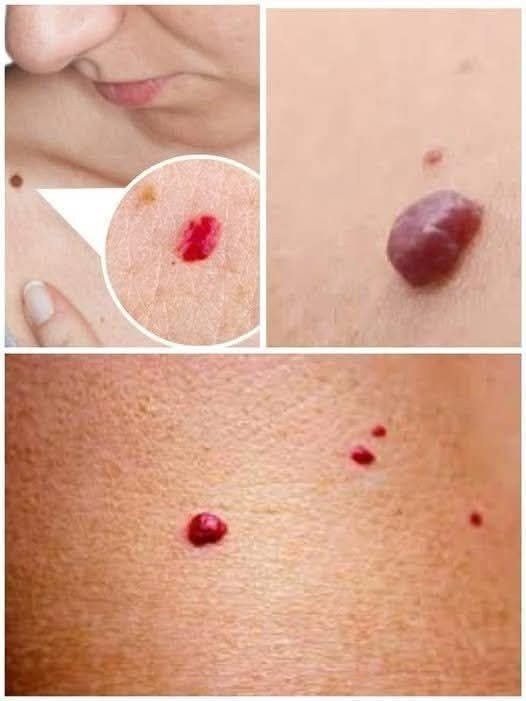
If You Have Red Dots on Your Skin, It Could Be a Sign of These Conditions
Noticing red dots on your skin can be alarming. While some causes are harmless, others may indicate underlying health issues that need attention. Red dots can appear anywhere on the body and may vary in size, texture, and distribution.
In this article, we’ll explore common reasons for red spots on the skin, what symptoms to watch for, and when to consult a healthcare professional.
⚠️ This article is for informational purposes only and does not replace professional medical advice.
Understanding Red Dots on the Skin
Red dots are small, often round areas of redness on the skin. They can be caused by:
-
Broken blood vessels
-
Skin irritation
-
Allergic reactions
-
Infection
-
Internal health conditions
The appearance, number, and location of the dots often provide clues to their cause.
1. Petechiae (Tiny Pinpoint Red Dots)
Petechiae are very small red or purple dots caused by tiny blood vessels breaking under the skin.
Possible causes:
-
Straining, coughing, or vomiting
-
Certain medications that affect clotting
-
Blood disorders (low platelets or clotting problems)
-
Infections (viral or bacterial)
Warning signs:
Petechiae that appear suddenly or spread quickly may require urgent medical evaluation.
2. Allergic Reactions and Hives
Red dots can result from allergic reactions to:
-
Foods (nuts, shellfish, eggs)
-
Medications
-
Insect bites
-
Skincare products
Hives (urticaria) may appear as raised red or pink dots that itch intensely and sometimes form larger patches.
Symptoms to watch:
-
Swelling of lips, tongue, or throat
-
Breathing difficulty (seek immediate medical help)
3. Viral Infections
Certain viruses can cause red spots or rashes:
-
Measles or rubella (usually accompanied by fever)
-
Chickenpox (small itchy red spots with fluid)
-
Viral exanthems (common in children)
Viral rashes often appear in clusters and may spread quickly.
4. Bacterial Infections
Some bacterial infections can cause red dots on the skin:
-
Scarlet fever (caused by streptococcus)
-
Meningococcal infection (can cause purplish-red spots)
These may be accompanied by fever, fatigue, and general malaise.
5. Heat Rash (Miliaria)
Heat rash occurs when sweat ducts become blocked:
-
Small red dots or bumps appear on the skin
-
Usually itchy or prickly
-
Common in hot, humid conditions or after exercise
Heat rash typically resolves when the skin is cooled and kept dry.
6. Skin Conditions and Dermatitis
Red dots can also be linked to chronic skin conditions:
-
Eczema (atopic dermatitis): Red, itchy patches, sometimes with small dots
-
Psoriasis: Red, scaly patches that may bleed slightly
-
Folliculitis: Infection of hair follicles causing small red or pus-filled dots
7. Blood Vessel and Circulatory Issues
Broken capillaries or vascular conditions can cause red dots:
-
Spider angiomas (small red spots with tiny vessels visible)
-
Capillary fragility (sometimes due to aging, medications, or vitamin deficiencies)
Persistent or widespread vascular spots may require evaluation.
When to See a Doctor
Seek medical attention immediately if red dots are accompanied by:
🚨 Sudden onset and rapid spread
🚨 Fever or general illness
🚨 Bleeding or bruising easily
🚨 Pain, swelling, or tenderness
🚨 Breathing difficulty or swelling of the face/throat
Early evaluation is crucial to rule out serious infections or blood disorders.
How to Take Care of Red Dots on the Skin
-
Avoid scratching to prevent infection
-
Keep the skin clean and dry
-
Apply soothing creams if itchy
-
Track any additional symptoms (fever, fatigue, swelling)
-
Avoid new products or allergens until the cause is identified
Final Thoughts
Red dots on the skin can be harmless or a sign of a serious condition. Paying attention to additional symptoms and seeking prompt medical care can prevent complications and ensure proper treatment. Never ignore sudden or spreading red dots, especially if they are associated with systemic symptoms.
Frequently Asked Questions (FAQ)
Q: Are all red dots dangerous?
No. Many are harmless, like heat rash or minor irritation, but sudden or widespread dots should be evaluated.
Q: Can stress cause red spots on skin?
Stress can trigger hives or aggravate skin conditions, but it doesn’t cause bleeding-related petechiae.
Q: How are red dots treated?
Treatment depends on the cause — allergies, infections, or chronic conditions may require medications, topical treatments, or lifestyle adjustments.