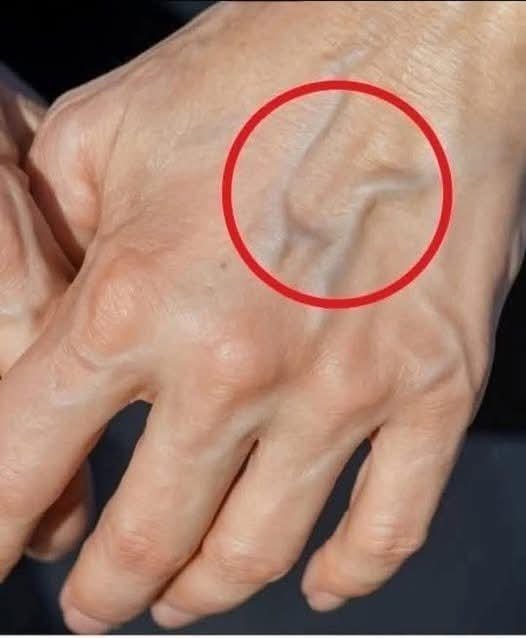
If You Have Visible Veins, It Could Mean These Things About Your Health 🩸
Have you ever looked at your arms, legs, or hands and noticed prominent or visible veins? While it’s often normal, visible veins can sometimes indicate underlying health or lifestyle factors. Understanding what they may reveal can help you take better care of your body.
⚠️ This article is for educational purposes only. For persistent or painful veins, consult a healthcare professional.
What Causes Visible Veins?
Veins become more noticeable when:
-
The skin is thin or fair
-
Blood volume and circulation increase, such as after exercise
-
Veins are naturally closer to the skin surface
-
Body fat is lower, making veins more visible
Visible veins aren’t always a problem, but sometimes they signal circulatory or vascular issues.
Common Reasons You Might Have Visible Veins
1. Genetics
-
Some people naturally have more prominent veins
-
Vein visibility can be inherited from parents
2. Low Body Fat
-
Less fat under the skin makes veins stand out more
-
Common in athletes and fitness enthusiasts
3. Aging
-
Skin thins with age, making veins more noticeable
-
Loss of elasticity can contribute to vein prominence
4. Exercise and Muscle Development
-
Strength training or endurance workouts increase blood flow and vein size
-
“Pumped” muscles temporarily make veins pop
5. Hormonal Changes
-
Pregnancy, menopause, or hormonal treatments can affect vein visibility
-
Increased blood volume and vein dilation are common
6. Varicose or Spider Veins
-
Swollen, twisted veins may indicate venous insufficiency
-
Often occur in the legs and may cause pain, heaviness, or swelling
7. Circulatory or Health Concerns
-
Blood clots, obesity, or high blood pressure can affect vein appearance
-
Persistent changes, pain, or swelling warrant a doctor’s evaluation
When Visible Veins Are Nothing to Worry About
-
Veins that appear after exercise
-
Slightly prominent veins in thin or fair-skinned people
-
Veins on hands, arms, or legs that aren’t painful
These are usually normal and not a sign of disease.
Tips for Healthy Veins
-
Exercise regularly to improve circulation
-
Elevate your legs to reduce pressure in leg veins
-
Maintain a healthy weight to reduce strain on veins
-
Wear compression stockings if prone to varicose veins
-
Avoid prolonged sitting or standing
-
Eat a balanced diet rich in fiber and antioxidants
When to See a Doctor
🚨 Painful, swollen, or bulging veins
🚨 Veins that change color or become tender
🚨 Leg heaviness or cramping
🚨 Signs of a blood clot (redness, warmth, swelling)
Early evaluation helps prevent complications and maintain vascular health.
Final Thoughts
Visible veins are often normal and harmless, especially in fit, thin, or aging individuals. However, sudden changes, pain, or swelling may indicate circulatory issues that require medical attention. Paying attention to your veins can help you stay proactive about heart and vascular health.
FAQ: Visible Veins
Q: Do visible veins mean I’m unhealthy?
Not usually — many healthy people have prominent veins due to genetics, body fat, or fitness.
Q: Can visible veins be removed?
Cosmetic treatments like sclerotherapy or laser therapy can reduce the appearance of varicose or spider veins.
Q: Are leg veins more dangerous than arm veins?
Leg veins are more prone to varicose veins due to gravity and pressure, but most are not serious if monitored.