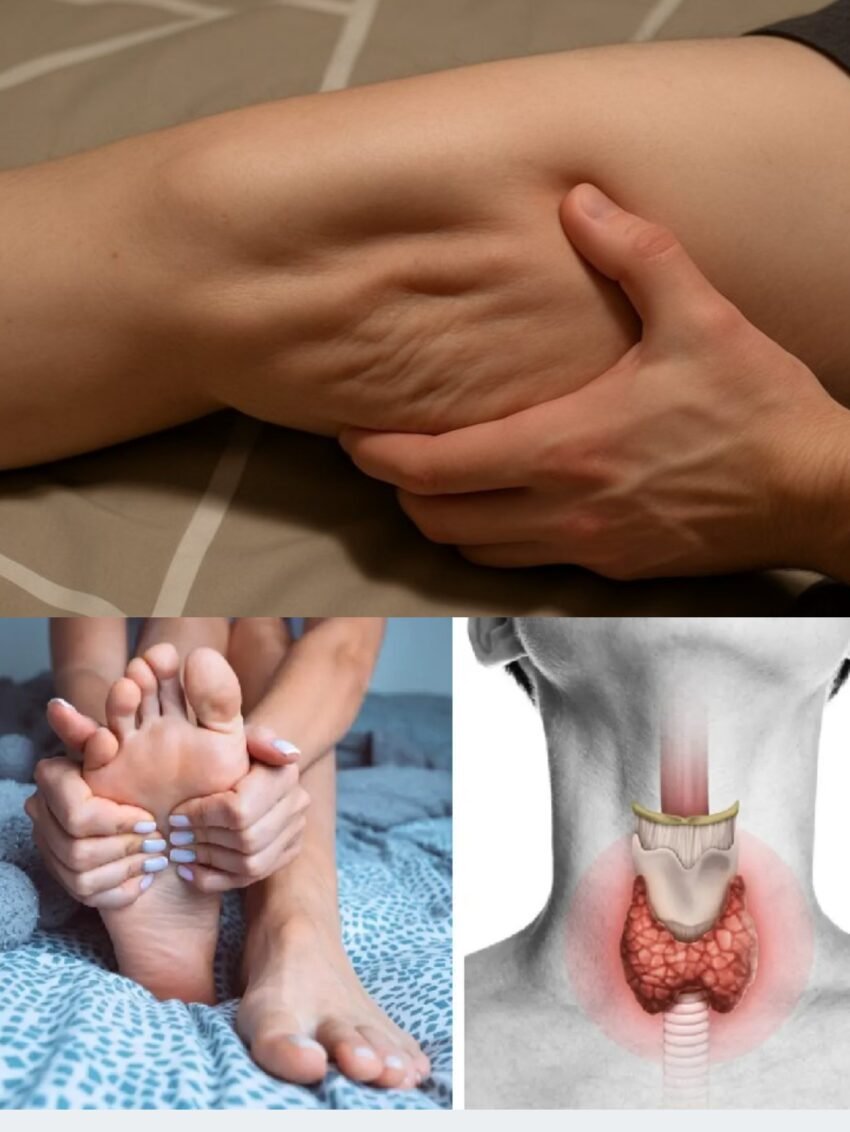
Why Do We Get Nighttime Cramps? Causes and Solutions 🌙🦵
Waking up in the middle of the night with a sudden painful leg cramp is something many people experience. These nighttime or nocturnal cramps can strike in the calves, thighs, or feet, leaving you wincing and stretching in the dark. But why do they happen, and what can you do to prevent them?
What Are Nighttime Cramps?
A nighttime cramp is a sudden, involuntary muscle contraction that often occurs during rest or sleep. Unlike muscle soreness after exercise, cramps are sudden, intense, and usually short-lived.
-
Commonly affected areas: calves, hamstrings, feet, and toes
-
Typically occurs at night, especially in older adults
Top Reasons We Get Nighttime Cramps
1. Muscle Fatigue and Overuse
-
Exercising too hard or standing for long periods can make muscles prone to cramping at night.
-
Fatigued muscles may contract involuntarily when resting.
2. Dehydration 💧
-
Not drinking enough water during the day can lead to electrolyte imbalances, causing cramps.
-
Low levels of potassium, magnesium, calcium, and sodium are common triggers.
3. Poor Circulation
-
Restricted blood flow to muscles while sleeping can trigger sudden cramps.
-
Sitting with legs in one position or crossing them for hours can contribute.
4. Nerve Compression or Disorders
-
Conditions like pinched nerves in the spine or peripheral neuropathy may lead to nocturnal cramps.
5. Pregnancy 🤰
-
Pregnant women often experience cramps due to weight gain, changes in circulation, and mineral deficiencies.
6. Medications
-
Certain medications, including diuretics, statins, or blood pressure medications, can increase cramp frequency.
7. Aging
-
Muscle mass decreases with age, making older adults more prone to cramps during sleep.
How to Prevent Nighttime Cramps
1. Stretch Before Bed
-
Calf stretches, hamstring stretches, and foot flexes can relax muscles before sleep.
2. Stay Hydrated
-
Drink enough water throughout the day and consider electrolyte-rich drinks if you exercise heavily.
3. Correct Sleeping Position
-
Avoid pointing your toes downward while sleeping; flex your feet toward your knees.
-
Don’t sleep with legs tightly crossed for long periods.
4. Balanced Diet
-
Ensure sufficient intake of magnesium, potassium, calcium, and sodium through fruits, vegetables, dairy, and nuts.
5. Massage and Warm Compress
-
Massaging cramped muscles or using a warm heating pad can relieve tension and improve circulation.
6. Review Medications
-
If cramps persist, ask your doctor whether your medications could be contributing.
When to See a Doctor
Most nighttime cramps are benign and manageable at home, but see a doctor if:
-
Cramps are frequent and severe
-
They don’t improve with stretching or hydration
-
Accompanied by swelling, redness, or numbness
-
There’s a history of vascular or nerve issues
Quick Relief Tips During a Cramp
-
Stretch the affected muscle gently but firmly
-
Stand up and walk around if possible
-
Massage the muscle to increase blood flow
-
Apply heat to relax tight muscles
Final Thoughts
Nighttime cramps are common, but they don’t have to ruin your sleep. Most are caused by muscle fatigue, dehydration, or mineral deficiencies, and simple measures like stretching, staying hydrated, and correcting sleeping posture can go a long way.
Remember: consistent habits and proper care are the best prevention against waking up with those sudden, painful jolts in the middle of the night.
FAQ: Nighttime Leg Cramps
Q: Are nighttime cramps dangerous?
Usually no, but persistent cramps may indicate underlying circulation, nerve, or metabolic issues.
Q: Can magnesium help?
Yes, magnesium supplements or magnesium-rich foods can reduce cramp frequency for some people.
Q: Do only older adults get night cramps?
No, anyone can experience them, but risk increases with age and physical activity levels.