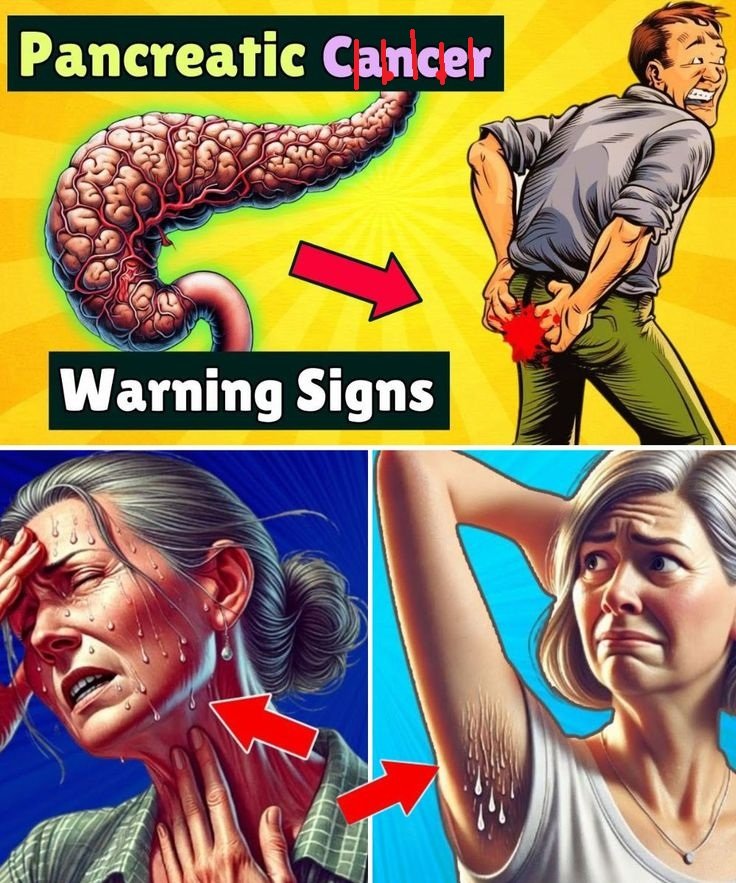
8 Shocking Signs of Pancreatic Cancer You Shouldn’t Ignore
Discover 8 early and often overlooked signs of pancreatic cancer. Learn when to see a doctor, risk factors, and why early detection matters.
Introduction
Pancreatic cancer is often called a “silent killer” because its early symptoms are subtle, vague, and easy to dismiss. Unfortunately, by the time clear warning signs appear, the disease may already be advanced. According to medical experts, recognizing early changes in your body can make a critical difference in diagnosis and treatment outcomes.
This article explores 8 shocking but important signs of pancreatic cancer you shouldn’t ignore, explains why they happen, and helps you understand when to seek medical advice.
This content is for educational purposes only and is not a substitute for professional medical diagnosis.
What Is Pancreatic Cancer?
Pancreatic cancer develops in the tissues of the pancreas, an organ located behind the stomach that plays a vital role in digestion and blood sugar regulation. Because the pancreas is deep inside the body, tumors often go unnoticed until they affect nearby organs.
Why Early Detection Is Difficult
-
Symptoms appear late
-
Signs often mimic common digestive problems
-
No routine screening for average-risk individuals
1. Unexplained Weight Loss
Sudden, unintentional weight loss without changes in diet or exercise can be an early red flag.
Why It Happens
-
Tumors can interfere with digestion
-
Reduced appetite due to metabolic changes
-
Body burns more energy fighting disease
📌 When to worry: Losing more than 5–10% of your body weight within a few months without explanation.
2. Persistent Abdominal or Back Pain
A dull ache or persistent pain in the upper abdomen that radiates to the back is one of the most commonly reported symptoms.
Key Characteristics
-
Pain worsens after eating
-
Pain may improve when leaning forward
-
Often mistaken for muscle or gastric pain
3. Jaundice (Yellowing of Skin and Eyes)
Jaundice is one of the most visible signs and should never be ignored.
Additional Symptoms Include:
-
Dark urine
-
Pale or greasy stools
-
Itchy skin
This occurs when a tumor blocks the bile duct, causing bilirubin to build up in the blood.
4. Digestive Problems and Changes in Stool
Pancreatic cancer can affect the pancreas’s ability to produce digestive enzymes.
Warning Signs
-
Chronic diarrhea
-
Greasy, floating stools
-
Frequent bloating or gas
-
Nausea after meals
These symptoms may be misdiagnosed as IBS or food intolerance.
5. New-Onset Diabetes or Sudden Blood Sugar Changes
In some cases, pancreatic cancer is detected after a sudden diagnosis of diabetes, especially in older adults.
Watch for:
-
No family history of diabetes
-
Rapid worsening of blood sugar control
-
Diabetes combined with weight loss
The pancreas plays a key role in insulin production, so tumors can disrupt this process.
6. Loss of Appetite and Early Fullness
Feeling full after eating only small amounts of food may signal pressure on the stomach from a growing tumor.
Why This Happens
-
Slower digestion
-
Hormonal changes
-
Inflammation affecting appetite signals
7. Fatigue and Weakness
Persistent fatigue that doesn’t improve with rest can be an early warning sign.
Possible Causes
-
Cancer-related inflammation
-
Poor nutrient absorption
-
Anemia or metabolic changes
⚠️ Fatigue alone is common, but fatigue combined with other symptoms should not be ignored.
8. Blood Clots Without a Clear Cause
Unexplained blood clots, especially in the legs (deep vein thrombosis), may be linked to underlying cancers.
Symptoms Include:
-
Swelling in one leg
-
Pain or redness
-
Warmth in the affected area
In rare cases, pancreatic cancer increases clotting risk due to chemical changes in the blood.
Who Is at Higher Risk?
You may have a higher risk if you:
-
Are over age 50
-
Smoke or use tobacco
-
Have chronic pancreatitis
-
Have a family history of pancreatic cancer
-
Are obese or have long-term diabetes
When Should You See a Doctor?
You should consult a healthcare professional if:
-
Symptoms persist for more than 2–3 weeks
-
Multiple symptoms appear together
-
Symptoms worsen over time
-
There is unexplained weight loss or jaundice
Early evaluation can lead to earlier diagnosis and better treatment options.
Can Pancreatic Cancer Be Prevented?
While there is no guaranteed prevention, you can reduce risk by:
-
Quitting smoking
-
Maintaining a healthy weight
-
Managing diabetes effectively
-
Eating a balanced, anti-inflammatory diet
-
Getting regular medical checkups
Frequently Asked Questions (FAQs)
Is pancreatic cancer always fatal?
No. Survival rates improve significantly when the cancer is detected early and treated promptly.
Are symptoms different in men and women?
Symptoms are largely the same, though presentation and risk factors may vary.
Can young people get pancreatic cancer?
Yes, but it is rare. Most cases occur in people over 50.
Is abdominal pain always a sign of pancreatic cancer?
No. Abdominal pain is common and often caused by less serious conditions. Persistent or unexplained pain should be evaluated.
Final Thoughts
Pancreatic cancer is challenging to detect, but listening to your body can save lives. Many early symptoms seem harmless at first, which is why awareness is so important. If something feels wrong or unusual, seeking medical advice early is always the safest choice.
👉 Early attention does not mean panic — it means prevention and protection.
Disclaimer
This article is for informational purposes only and does not provide medical advice. Always consult a qualified healthcare provider for diagnosis and treatment.