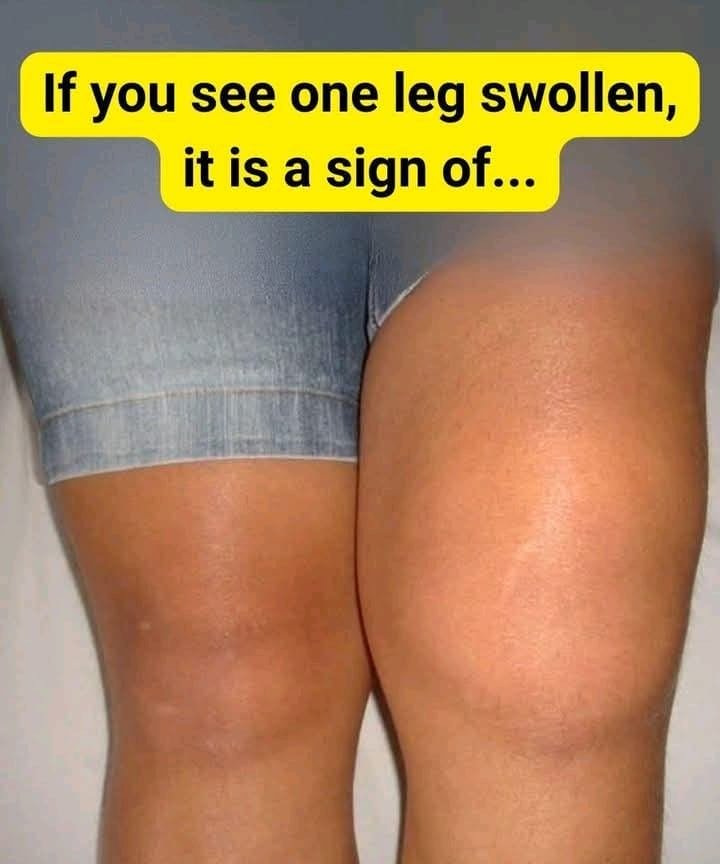
Why Is One Knee Swollen but Not the Other?
Meta Description:
One knee swollen but the other fine? Discover common causes, from injuries and arthritis to infections, and learn when to seek medical help.
Introduction
If you’ve ever noticed that one knee is visibly swollen, warm, or painful while the other looks completely normal, you’re not alone.
Knee swelling can be caused by many factors, ranging from minor injuries to more serious conditions. Understanding the possible reasons for one-sided knee swelling can help you take the right steps toward relief and recovery.
In this article, we’ll explore the top causes, warning signs, and treatment options for unilateral knee swelling.
Common Causes of Swelling in One Knee
1. Injury or Trauma
A sprain, strain, or impact injury can cause swelling in a single knee.
Signs to watch for:
-
Pain when bending or straightening
-
Bruising or redness
-
Limited mobility
Tip: Rest, ice, compression, and elevation (RICE) can help with minor injuries. Seek medical care if swelling persists.
2. Meniscus or Ligament Tear
Damage to the meniscus or ligaments like the ACL or MCL often results in swelling in one knee.
Symptoms:
-
Sharp pain during movement
-
Clicking or locking sensations
-
Instability or difficulty bearing weight
Tip: A doctor may recommend physical therapy or imaging to confirm the diagnosis.
3. Arthritis
While arthritis can affect both knees, osteoarthritis or rheumatoid arthritis can sometimes begin in one knee.
Signs:
-
Stiffness, especially in the morning
-
Swelling and warmth
-
Pain during activity
Tip: Early diagnosis and treatment help prevent further joint damage.
4. Infection (Septic Arthritis)
An infection inside the knee joint can cause rapid swelling, redness, and severe pain.
Warning signs:
-
Fever or chills
-
Warmth around the joint
-
Inability to move the knee
Tip: This is a medical emergency. Seek immediate attention.
5. Gout or Pseudogout
Gout occurs when uric acid crystals accumulate in the joint, causing swelling, redness, and intense pain.
-
Often affects one joint at a time
-
Can appear suddenly, often at night
-
Pseudogout involves calcium crystals and may mimic gout
Tip: Anti-inflammatory medication and dietary adjustments are often recommended.
6. Bursitis
Inflammation of the bursa (small fluid-filled sacs near the knee joint) can cause swelling in one knee.
Signs:
-
Pain when kneeling or bending
-
Localized swelling
-
Warmth and tenderness
Tip: Rest, ice, and anti-inflammatory medications can help; persistent cases may require aspiration or injections.
7. Cysts (Baker’s Cyst)
A Baker’s cyst is a fluid-filled sac that can develop behind the knee, causing swelling and tightness.
Symptoms:
-
Swelling in the back of the knee
-
Limited flexibility
-
Sometimes pain or a feeling of fullness
Tip: Treating underlying joint problems often reduces cyst size.
When to See a Doctor
Seek medical attention if you notice:
-
Sudden or severe swelling
-
Inability to move or bear weight
-
Redness, warmth, or fever
-
Persistent pain lasting more than a few days
Early diagnosis ensures proper treatment and prevents complications.
Home Care Tips for Mild Knee Swelling
-
Rest: Avoid activities that worsen the pain
-
Ice: Apply ice packs for 15–20 minutes several times a day
-
Compression: Use an elastic knee sleeve to reduce swelling
-
Elevation: Keep the knee elevated above heart level
-
Over-the-counter anti-inflammatories: Ibuprofen or naproxen can help with pain and swelling
⚠️ Note: Home care is only for mild, non-infectious swelling. Severe cases require professional evaluation.
Frequently Asked Questions (FAQs)
Can swelling in one knee be a sign of something serious?
Yes. Infections, blood clots, or severe injuries can cause unilateral swelling and require immediate medical attention.
Can overuse cause one knee to swell?
Absolutely. Repetitive strain from sports, standing, or kneeling can lead to inflammation in just one knee.
How long does swelling last?
It depends on the cause. Minor injuries may resolve in days to weeks, while chronic conditions may need ongoing management.
Final Thoughts
A swollen knee can be painful and alarming, especially when it only affects one side. While many cases are minor and treatable with rest and home care, persistent or severe swelling may indicate injury, infection, or arthritis.
👉 Remember: Listen to your body, avoid ignoring persistent swelling, and consult a healthcare provider to prevent complications.
Disclaimer
This article is for educational purposes only and is not a substitute for professional medical advice. If you experience severe pain, fever, or inability to move your knee, seek immediate medical attention.