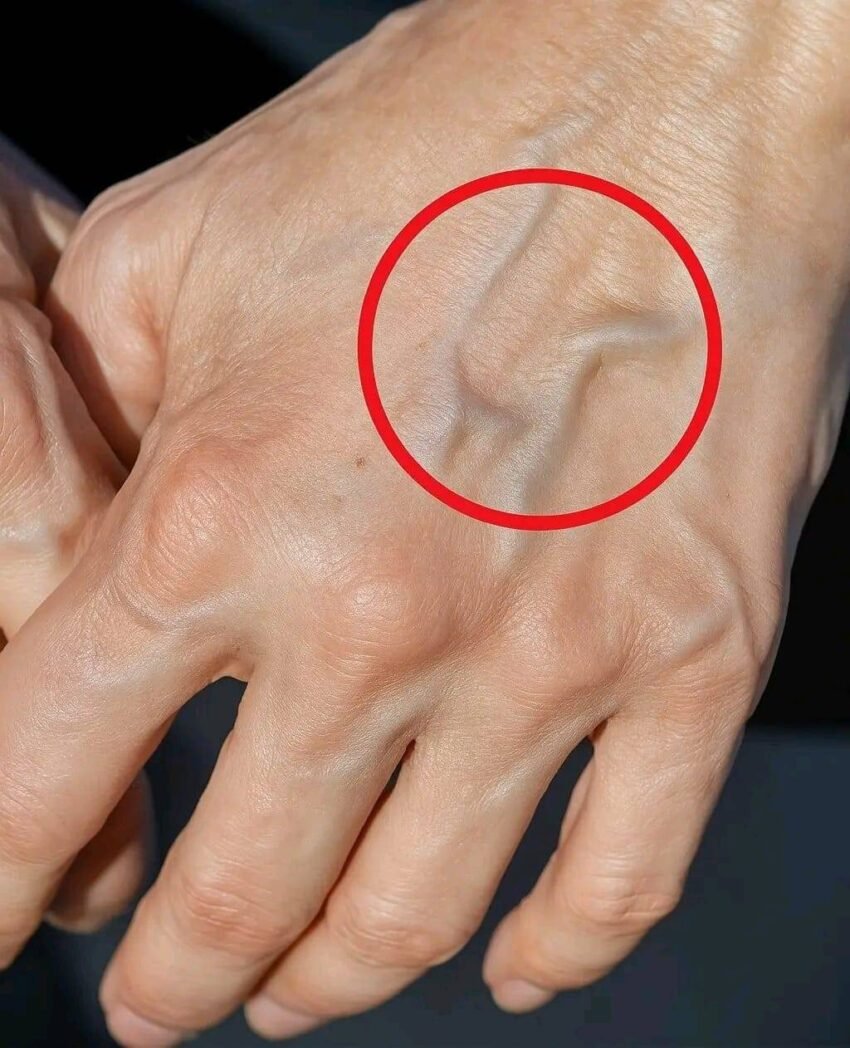
If You Have Visible Veins, It Means You Are…
Meta Description:
Do you have visible veins on your arms, legs, or hands? Discover what your veins reveal about your health, fitness, and circulation, and when to be concerned.
Introduction
Have you ever noticed blue or green veins standing out on your arms, legs, or hands? While some people see it as a cosmetic concern, veins can reveal a lot about your body.
Visible veins aren’t always a sign of illness—they often indicate fitness, genetics, or low body fat. In this article, we’ll explore why veins become visible, what it means, and when to see a doctor.
Why Do Veins Become Visible?
Several factors can make your veins more noticeable:
1. Low Body Fat
If you have a lean physique, there’s less fat covering your veins, making them more prominent.
2. Genetics
Some people naturally have thinner skin or more visible veins due to family traits.
3. Exercise and Muscle Tone
During physical activity, blood flow increases, causing veins to expand. People who lift weights or do cardio often have more visible veins due to stronger, more defined muscles.
4. Age
As you age, your skin loses elasticity and fat, making veins more noticeable.
5. Hormonal Changes
Pregnancy or hormonal fluctuations can temporarily make veins more prominent due to increased blood volume.
What Visible Veins Might Reveal About Your Body
-
Good Fitness Level
Prominent veins are common in athletes and people with low body fat. -
Healthy Circulation
Veins that are visible but not painful can indicate efficient blood flow. -
Dehydration or Heat
Veins may temporarily stand out when your body is warm, dehydrated, or after exercise.
When Visible Veins Might Be a Warning Sign
While most visible veins are harmless, some can indicate underlying issues:
-
Varicose veins: Twisted, enlarged veins in the legs that may cause pain or swelling.
-
Blood clots (Deep Vein Thrombosis): Rare but serious, usually causing pain, swelling, or redness in one leg.
-
Vascular conditions: Veins that bulge, feel hard, or are accompanied by discomfort should be evaluated by a doctor.
Tip: If visible veins are new, painful, or associated with swelling, get checked by a healthcare provider.
How to Keep Your Veins Healthy
-
Exercise regularly: Improves blood circulation and strengthens muscles around veins.
-
Maintain a healthy weight: Reduces pressure on veins.
-
Elevate your legs: Helps prevent pooling of blood in the lower limbs.
-
Wear compression stockings: Especially if you stand for long periods.
-
Stay hydrated and eat a balanced diet: Supports vascular health.
Fun Facts About Visible Veins
-
Veins appear blue or green because of how skin and light scatter, not because of the blood itself.
-
Men often have more visible veins due to lower body fat and thicker veins.
-
Famous athletes are often recognized for their prominent veins during competitions—a sign of vascular fitness.
Frequently Asked Questions (FAQs)
Are visible veins dangerous?
Most visible veins are harmless, especially if you’re healthy and active. Seek medical advice if veins are painful, swollen, or suddenly appear.
Can exercise make veins more visible?
Yes! Exercise increases blood flow and muscle definition, making veins stand out.
Can you reduce visible veins?
Options include laser treatments, sclerotherapy, or lifestyle changes, but most veins are safe to keep naturally.
Final Thoughts
Visible veins aren’t automatically a problem—they can indicate fitness, low body fat, or genetics. However, monitor for pain, swelling, or rapid changes, which could signal a health issue.
👉 Remember: Your veins tell a story—sometimes it’s about health, sometimes about fitness, and sometimes just your unique genetics!
Disclaimer
This article is for educational purposes only and does not replace professional medical advice. Consult a healthcare provider for concerns about veins or circulation.