Mouth Cancer: Symptoms, Causes, Stages, and Treatment – What You Need to Know
Meta Description:
Learn about mouth cancer, including early symptoms, common causes, stages, and treatment options. Early detection can save lives.
Introduction
Mouth cancer, also called oral cancer, is a serious condition that affects the tissues of the lips, tongue, cheeks, floor of the mouth, and throat. Early detection is critical because survival rates are much higher when diagnosed at an early stage.
Understanding the symptoms, causes, stages, and treatment options can empower you to recognize warning signs and seek prompt medical care.
Symptoms of Mouth Cancer
Early detection is key, but symptoms can often be subtle. Common signs include:
-
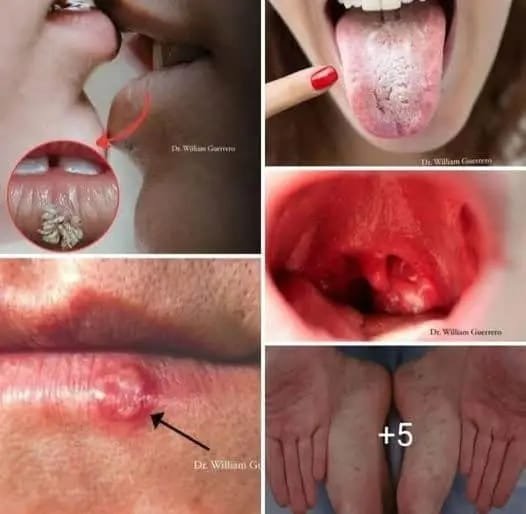
Sores or ulcers that don’t heal – lasting more than two weeks
-
Persistent pain in the mouth or tongue
-
Red or white patches inside the mouth
-
Lumps or thickening in the cheek, tongue, or neck
-
Difficulty chewing, swallowing, or moving the jaw/tongue
-
Numbness or tingling in the mouth
-
Persistent bad breath or bleeding without injury
-
Changes in voice or chronic sore throat
⚠️ Note: Many of these symptoms can be caused by less serious conditions, but persistent or worsening symptoms should always be evaluated by a doctor.
Causes and Risk Factors
Mouth cancer develops when cells in the oral tissues grow uncontrollably, forming tumors. Common causes and risk factors include:
-
Tobacco use: Smoking, chewing tobacco, or snuff significantly increases risk
-
Alcohol consumption: Heavy drinking compounds the effects of tobacco
-
HPV infection: Certain strains of the human papillomavirus can lead to oral cancers
-
Sun exposure: Increases risk of lip cancer
-
Poor oral hygiene: Chronic irritation or infections may contribute
-
Age and gender: Most common in men over 40
-
Family history and genetics
Stages of Mouth Cancer
Mouth cancer is classified into four stages, which guide treatment decisions:
Stage I
-
Small tumor (≤2 cm)
-
No lymph node involvement
-
Highly treatable with surgery or radiation
Stage II
-
Tumor between 2–4 cm
-
No lymph node spread
-
Usually treated with surgery and possibly radiation
Stage III
-
Tumor >4 cm or spread to one lymph node
-
Requires surgery, radiation, and sometimes chemotherapy
Stage IV
-
Tumor of any size that has spread to nearby structures or multiple lymph nodes
-
May involve metastasis to distant organs
-
Requires combination therapy and careful management
Treatment Options
Treatment depends on the stage, location, and overall health of the patient. Common approaches include:
-
Surgery: Removes cancerous tissue, sometimes with reconstructive surgery
-
Radiation therapy: Destroys cancer cells using targeted radiation
-
Chemotherapy: Often combined with radiation for advanced stages
-
Targeted therapy: Drugs that attack specific cancer cells
-
Immunotherapy: Boosts the immune system to fight cancer
-
Lifestyle changes and rehabilitation: Includes speech therapy, dental care, and nutrition support
Early detection improves treatment success and quality of life.
Prevention Tips
-
Avoid tobacco and limit alcohol
-
Maintain good oral hygiene – brush, floss, and visit a dentist regularly
-
Use sun protection for lips
-
Get vaccinated for HPV if eligible
-
Perform regular self-exams – check for sores, lumps, or patches in your mouth
Frequently Asked Questions (FAQs)
Q1: Can mouth cancer be cured?
Yes, if detected early, treatment can be highly effective, and many patients achieve complete remission.
Q2: How fast does mouth cancer progress?
It varies; some tumors grow slowly while others can spread rapidly. Persistent symptoms require prompt evaluation.
Q3: Are there any home remedies for mouth cancer?
No natural remedy can cure mouth cancer. Early medical intervention is essential.
Final Thoughts
Mouth cancer is serious but treatable, especially when detected early. Understanding the symptoms, causes, and stages empowers you to take preventive measures and seek timely care.
👉 Remember: If you notice persistent sores, lumps, or pain in your mouth, don’t wait—see a doctor immediately. Early detection saves lives.
Disclaimer
This article is for informational purposes only and does not replace professional medical advice. Consult a qualified healthcare provider for diagnosis, treatment, or concerns regarding mouth cancer.