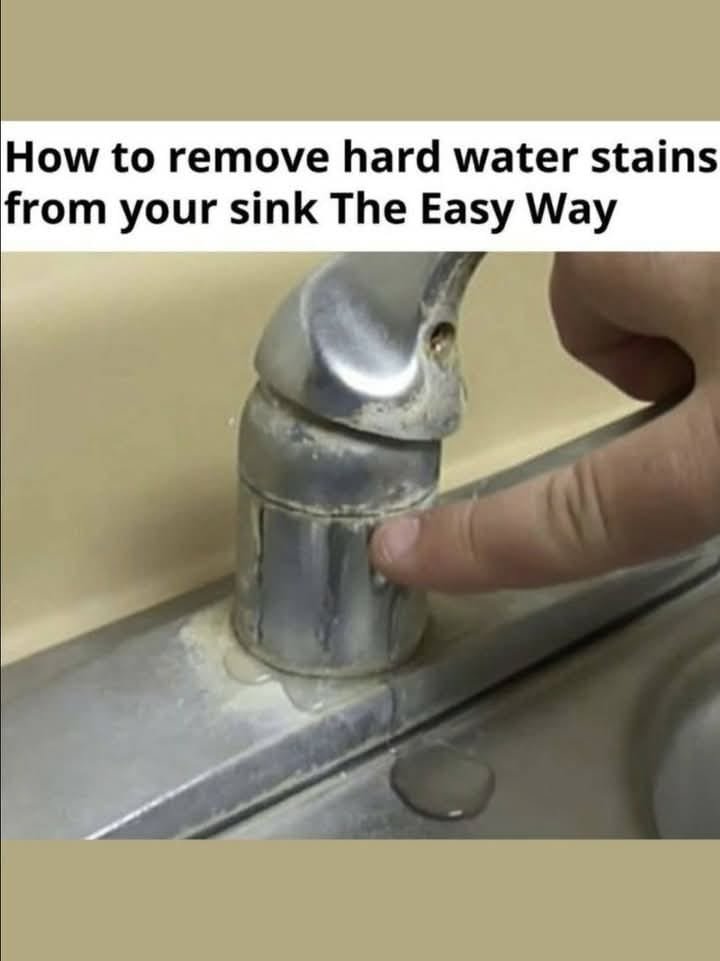
How to Clean Hard Water Stains From a Sink or Faucet (Easy & Effective Methods)
Introduction
Hard water stains are one of the most frustrating household cleaning problems. No matter how often you clean, white chalky residue, cloudy spots, and mineral buildup can make your sink or faucet look dirty and old.
These stains are caused by mineral deposits, mainly calcium and magnesium, left behind when hard water evaporates. Over time, they harden, becoming difficult to remove with regular soap and water.
The good news? You don’t need expensive products or professional services. In this guide, you’ll learn proven, safe, and effective ways to clean hard water stains from sinks and faucets using both natural and commercial solutions.
What Causes Hard Water Stains?
Hard water contains high levels of minerals such as:
-
Calcium
-
Magnesium
-
Lime
When water dries on surfaces like sinks and faucets, these minerals remain, forming:
-
White crusty deposits
-
Cloudy stains
-
Rough textures
-
Reduced faucet shine
Hard water stains are especially common in:
-
Bathrooms
-
Kitchens
-
Areas with poor water softening systems
Why You Should Remove Hard Water Stains Promptly
Ignoring hard water stains can lead to:
-
Permanent surface damage
-
Corrosion on metal fixtures
-
Reduced water flow from clogged aerators
-
A dull, unhygienic appearance
Regular cleaning not only improves appearance but also extends the lifespan of your fixtures.
Best Natural Methods to Remove Hard Water Stains
1. White Vinegar (Most Effective Natural Cleaner)
Why it works: Vinegar is acidic, which dissolves mineral deposits.
How to use:
-
Soak a cloth or paper towel in white vinegar
-
Wrap it around the faucet or stained area
-
Leave it for 30–60 minutes
-
Scrub gently with a soft brush or sponge
-
Rinse with warm water and dry immediately
Best for: Chrome, stainless steel, porcelain sinks
2. Baking Soda Paste (For Stubborn Stains)
Why it works: Baking soda is mildly abrasive and helps loosen buildup.
How to use:
-
Mix baking soda with a small amount of water to form a paste
-
Apply to stained areas
-
Let sit for 15–20 minutes
-
Scrub gently
-
Rinse and dry
Tip: Combine with vinegar for extra cleaning power.
3. Lemon Juice (Natural & Fresh-Smelling)
Why it works: Citric acid breaks down mineral deposits.
How to use:
-
Rub a lemon slice directly onto stains
-
Let it sit for 10–15 minutes
-
Scrub gently and rinse
Bonus: Leaves a fresh scent and natural shine.
Commercial Cleaners for Hard Water Stains
If natural methods don’t work, you can use store-bought cleaners designed for mineral removal.
What to Look For:
-
Lime or calcium remover
-
Non-abrasive formulas
-
Safe for your fixture material
Always:
-
Follow manufacturer instructions
-
Wear gloves
-
Test on a small hidden area first
How to Clean Specific Sink & Faucet Materials
Chrome Faucets
-
Use vinegar or lemon juice
-
Avoid steel wool or harsh scrubbers
-
Dry immediately to prevent water spots
Stainless Steel Sinks
-
Clean in the direction of the grain
-
Use baking soda paste
-
Finish with a microfiber cloth for shine
Porcelain or Ceramic Sinks
-
Safe for vinegar and baking soda
-
Avoid abrasive pads to prevent scratches
Brass or Gold Fixtures
-
Use diluted vinegar only briefly
-
Rinse thoroughly
-
Dry completely to prevent discoloration
How to Clean Faucet Aerators (Often Overlooked)
Hard water stains can clog faucet aerators and reduce water flow.
Steps:
-
Unscrew the aerator
-
Soak in vinegar for 1–2 hours
-
Scrub with a toothbrush
-
Rinse and reinstall
This simple step can restore water pressure instantly.
Preventing Hard Water Stains in the Future
1. Dry After Each Use
Wipe sinks and faucets with a microfiber cloth to prevent mineral buildup.
2. Install a Water Softener
A long-term solution that reduces mineral content in water.
3. Use Protective Coatings
Applying a thin layer of car wax or faucet protectant can repel water.
4. Clean Regularly
Weekly light cleaning prevents heavy buildup and saves time.
Common Mistakes to Avoid
-
Using abrasive scrubbers that scratch surfaces
-
Letting vinegar sit too long on delicate finishes
-
Ignoring faucet joints and bases
-
Not drying surfaces after cleaning
Frequently Asked Questions (FAQs)
Can hard water stains become permanent?
Yes, if left untreated for a long time, they can etch surfaces.
Is vinegar safe for all faucets?
Mostly yes, but avoid prolonged exposure on brass, gold, or natural stone.
How often should I clean hard water stains?
Light cleaning weekly and deep cleaning monthly is ideal.
Can hard water stains affect hygiene?
While not directly harmful, buildup can trap bacteria and look unclean.
Final Thoughts
Hard water stains may be stubborn, but they’re completely manageable with the right techniques. Whether you prefer natural remedies like vinegar and baking soda or commercial cleaners, consistency is key.
With regular care and simple prevention steps, your sink and faucet can stay spotless, shiny, and stain-free for years to come.