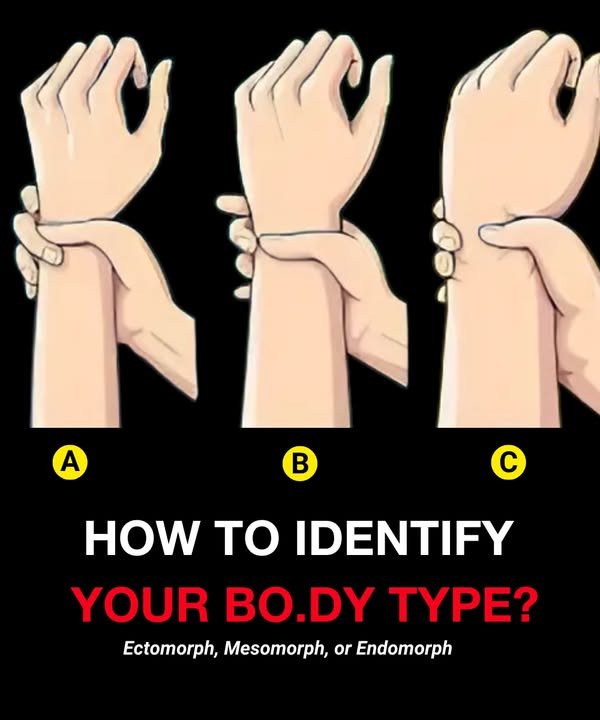
Body Types: Are You Ectomorph, Mesomorph, or Endomorph?
Discover the three main body types—ectomorph, mesomorph, and endomorph. Learn how to identify your body type and tailor fitness and nutrition for best results.
Introduction
Have you ever wondered why some people gain muscle easily, others stay lean no matter how much they eat, and some struggle with weight gain despite exercise? The answer may lie in body types, also known as somatotypes.
The three primary body types—ectomorph, mesomorph, and endomorph—help explain differences in body structure, metabolism, and response to diet and exercise. While most people are a mix of types, understanding your dominant somatotype can help you make smarter fitness, nutrition, and lifestyle choices.
In this article, we’ll break down each body type, how to identify yours, and how to optimize your health based on it.
What Are Body Types (Somatotypes)?
The concept of body types was introduced by psychologist William H. Sheldon. Somatotypes classify people based on:
-
Skeletal frame
-
Muscle mass
-
Fat distribution
Although modern science recognizes that genetics, hormones, and lifestyle play major roles, body types remain a useful framework for understanding physical tendencies.
The Three Main Body Types Explained
1. Ectomorph: The Naturally Lean Body Type
Key Characteristics
-
Slim, narrow frame
-
Long limbs
-
Low body fat
-
Difficulty gaining weight or muscle
-
Fast metabolism
Ectomorphs often appear lean and slender, even without much exercise.
Fitness Tips for Ectomorphs
-
Focus on strength training
-
Limit excessive cardio
-
Use compound movements
-
Allow sufficient rest between workouts
Nutrition Tips for Ectomorphs
-
Eat calorie-dense foods
-
Increase protein and healthy fats
-
Eat frequent meals
-
Avoid skipping meals
2. Mesomorph: The Athletic Body Type
Key Characteristics
-
Naturally muscular build
-
Broad shoulders
-
Narrow waist
-
Gains muscle easily
-
Moderate metabolism
Mesomorphs often respond quickly to exercise and maintain body composition with relative ease.
Fitness Tips for Mesomorphs
-
Combine strength and cardio
-
Rotate training styles
-
Avoid overtraining
-
Maintain consistency
Nutrition Tips for Mesomorphs
-
Balanced diet
-
Moderate carbs, proteins, and fats
-
Focus on whole foods
-
Adjust intake based on activity level
3. Endomorph: The Softer, Curvier Body Type
Key Characteristics
-
Wider frame
-
Higher body fat percentage
-
Slower metabolism
-
Gains weight easily
-
Difficulty losing fat
Endomorphs often store fat more easily, especially around the hips and abdomen.
Fitness Tips for Endomorphs
-
Combine strength training with cardio
-
Focus on full-body workouts
-
Increase daily activity
-
Maintain long-term consistency
Nutrition Tips for Endomorphs
-
Control portion sizes
-
Reduce refined carbohydrates
-
Increase fiber and protein
-
Limit sugary and processed foods
How to Identify Your Body Type
Ask yourself:
-
Do I gain weight easily or struggle to gain weight?
-
How quickly do I build muscle?
-
Where do I store fat?
Most people are a combination of two body types, such as:
-
Ectomorph-Mesomorph
-
Mesomorph-Endomorph
Your lifestyle, diet, and training can also shift how your body behaves over time.
Are Body Types Fixed?
No. While genetics influence body structure, habits matter more. With proper nutrition, exercise, sleep, and stress management, people can significantly change their body composition.
Body types should be used as guides, not limitations.
Common Myths About Body Types
-
❌ You can’t change your body type
-
❌ One diet fits all body types
-
❌ Body type determines fitness success
✅ Reality: Consistency and personalization matter more than labels.
Why Understanding Your Body Type Matters
Knowing your body type can help:
-
Set realistic fitness goals
-
Choose effective workouts
-
Improve nutrition planning
-
Avoid frustration
It promotes working with your body, not against it.
Frequently Asked Questions (FAQs)
Can I be more than one body type?
Yes. Most people are a blend of two types.
Does body type affect metabolism?
It influences metabolic tendencies, but lifestyle choices have a greater impact.
Is body typing scientifically proven?
It’s a simplified model, not a medical diagnosis, but it’s useful for general guidance.
Final Thoughts
Understanding whether you lean toward an ectomorph, mesomorph, or endomorph can provide valuable insight into how your body responds to food and exercise. Instead of chasing unrealistic standards, focus on building habits that support your unique body.
Remember: your body type does not define your potential—your consistency does.