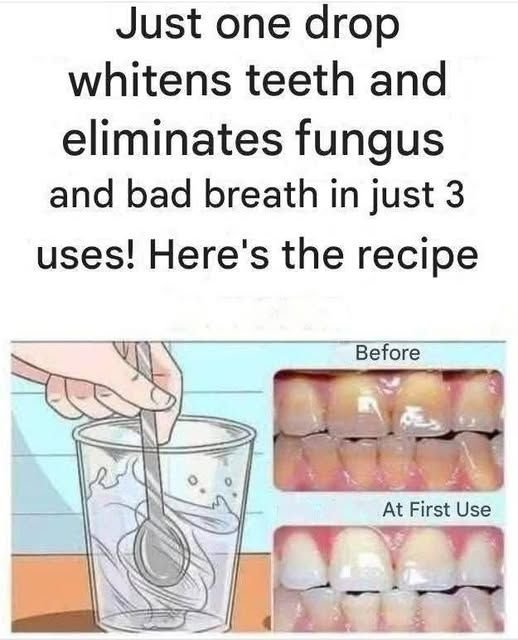
Remove Tartar From Your Teeth and Whiten Them With This Simple Recipe (Safely & Naturally)
Learn a simple, safe home recipe that can help reduce surface tartar buildup and brighten teeth naturally—plus expert tips to protect enamel.
Introduction
Tartar buildup and stained teeth are common dental concerns. Even with regular brushing, plaque can harden into tartar, making teeth look yellow and feel rough. While professional dental cleanings are the gold standard, many people look for safe, natural ways to support oral hygiene at home.
This article shares a simple, gentle recipe that may help reduce surface stains and plaque buildup while supporting a brighter smile—without harsh chemicals. You’ll also learn how tartar forms, what home remedies can and cannot do, and how to protect your enamel.
Important note: Home remedies can help with surface plaque and stains, but they cannot remove hardened tartar below the gumline. For that, professional dental care is essential.
What Is Tartar and Why Does It Form?
Plaque is a sticky film of bacteria that forms daily on teeth. If not removed, it hardens into tartar (calculus) within 24–72 hours.
Common causes include:
-
Inadequate brushing and flossing
-
High sugar or starch intake
-
Smoking
-
Dry mouth
-
Skipping dental cleanings
Once plaque becomes tartar, it bonds tightly to teeth and can irritate gums.
Can Home Remedies Really Remove Tartar?
-
✅ They can help reduce plaque, slow tartar formation, and remove surface stains
-
❌ They cannot replace professional scaling or remove deep tartar
Used correctly and gently, natural methods can be a helpful addition to daily oral care.
The Simple Recipe: Gentle Plaque-Reducing & Whitening Paste
Ingredients
-
½ teaspoon baking soda
-
A few drops of water (to form a paste)
-
Optional: 1 drop coconut oil (for texture and mild antibacterial support)
How to Use
-
Mix baking soda with water to form a soft paste
-
Apply to a soft toothbrush
-
Brush gently for 30–60 seconds only
-
Rinse thoroughly with water
-
Follow with regular fluoride toothpaste
How Often?
-
1–2 times per week only
Overuse or aggressive brushing can damage enamel. Gentle is key.
Why This Recipe Can Help
Baking Soda
-
Mildly abrasive (helps lift surface stains)
-
Neutralizes acids that contribute to plaque
-
Supports a cleaner tooth surface
Coconut Oil (Optional)
-
Helps create a smoother paste
-
May support oral hygiene due to natural compounds
Alternative Gentle Whitening Options
1. Oil Pulling (Supportive Practice)
-
Swish 1 tablespoon coconut oil for 5–10 minutes
-
Spit, rinse, then brush
-
May help reduce bacteria and improve freshness
2. Hydrogen Peroxide Rinse (Occasional Use)
-
Mix equal parts 3% hydrogen peroxide and water
-
Rinse for 30 seconds
-
Do not swallow
-
Use no more than once a week
What to Avoid (Very Important)
❌ Lemon juice or vinegar (erodes enamel)
❌ Charcoal used frequently (too abrasive)
❌ Salt scrubs (can scratch enamel)
❌ Metal tools or scraping at home
These can cause permanent enamel damage and sensitivity.
Best Daily Habits to Prevent Tartar Buildup
-
Brush twice daily with fluoride toothpaste
-
Use a soft-bristled toothbrush
-
Floss once daily
-
Drink plenty of water
-
Limit sugary snacks and drinks
-
Avoid smoking
-
Get professional cleanings every 6 months
When to See a Dentist
Seek professional care if you notice:
-
Hardened yellow or brown deposits
-
Bleeding or swollen gums
-
Persistent bad breath
-
Tooth sensitivity or pain
Only a dental professional can safely remove hardened tartar.
Frequently Asked Questions (FAQs)
Can baking soda damage teeth?
When used gently and occasionally, it’s generally safe. Overuse or hard scrubbing can harm enamel.
How long before I see whitening results?
Surface brightness may improve within 1–2 weeks with proper use and good daily hygiene.
Can this replace dental cleanings?
No. It supports oral hygiene but does not replace professional care.
Final Thoughts
This simple recipe can help reduce plaque buildup and brighten surface stains when used carefully and occasionally. The key to a healthy, white smile is consistency, gentleness, and professional care when needed.
Think of home remedies as support tools, not shortcuts. Protect your enamel, maintain daily habits, and partner with your dentist for the best long-term results.