Signs of Pancreatic Cancer You Should Never Ignore
Learn the early warning signs of pancreatic cancer, risk factors, and why early detection can save lives.
Introduction
Pancreatic cancer is often called a “silent killer” because early symptoms are subtle and easily overlooked. By the time obvious signs appear, the disease may have progressed significantly.
Being aware of the warning signs can help you seek medical attention early, which is crucial for treatment success and survival. This article outlines the most common early signs of pancreatic cancer and what to do if you notice them.
What Is Pancreatic Cancer?
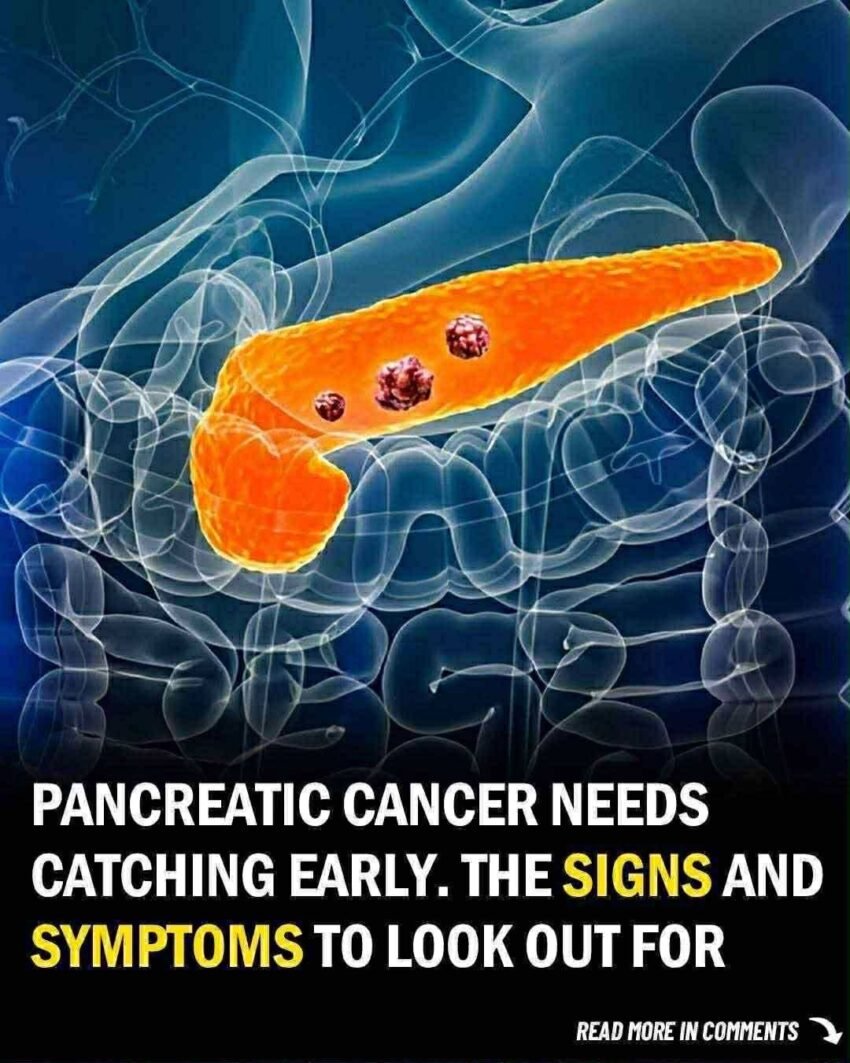
Pancreatic cancer occurs when abnormal cells in the pancreas grow uncontrollably, forming a tumor. The pancreas plays a vital role in:
-
Producing insulin to regulate blood sugar
-
Producing digestive enzymes to break down food
Because the pancreas is located deep in the abdomen, tumors often grow unnoticed until advanced stages.
Early Warning Signs of Pancreatic Cancer
1. Unexplained Weight Loss
-
Losing weight without trying can be an early sign
-
Often accompanied by loss of appetite
-
Weight loss may occur even if you maintain your usual diet
2. Abdominal or Back Pain
-
Pain in the upper abdomen or back is common
-
May feel dull, persistent, or radiating
-
Can worsen after eating or lying down
3. Jaundice (Yellowing of Skin or Eyes)
-
Caused by blockage of the bile duct by the tumor
-
Skin and whites of the eyes may turn yellow
-
Dark urine and pale stools may also occur
4. Digestive Problems
-
Nausea, vomiting, or indigestion
-
Fatty stools or diarrhea due to enzyme blockage
-
Early satiety (feeling full quickly)
5. New-Onset Diabetes or Worsening Blood Sugar
-
Pancreatic tumors can affect insulin production
-
Sudden changes in blood sugar or diabetes in adults may be a warning sign
6. Fatigue and Weakness
-
Persistent tiredness despite adequate sleep
-
Muscle weakness and general malaise
-
Often overlooked because it’s non-specific
7. Blood Clots
-
Unexplained clots in veins or superficial veins appearing
-
Can sometimes be the first sign of pancreatic cancer
Risk Factors to Keep in Mind
While anyone can develop pancreatic cancer, risk increases with:
-
Age (usually over 60)
-
Family history of pancreatic or related cancers
-
Smoking or long-term alcohol use
-
Obesity or diabetes
-
Chronic pancreatitis or inflammatory conditions
When to See a Doctor
Seek medical evaluation immediately if you notice:
-
Unexplained weight loss or loss of appetite
-
Persistent abdominal or back pain
-
Yellowing of skin or eyes
-
New or sudden-onset diabetes in adults
Early diagnosis may involve:
-
Blood tests (including liver function and tumor markers like CA 19-9)
-
Imaging studies (CT scan, MRI, or endoscopic ultrasound)
-
Biopsy if needed
Frequently Asked Questions (FAQs)
Q1: Is pancreatic cancer always fatal?
No. Survival rates are higher with early detection, surgery, and treatment, but late-stage pancreatic cancer has a poorer prognosis.
Q2: Can lifestyle reduce risk?
Yes. Maintaining healthy weight, not smoking, and moderating alcohol can help lower risk.
Q3: Are there preventive screenings?
Screening is usually recommended for high-risk individuals, such as those with a strong family history or genetic predisposition.
Final Thoughts
Pancreatic cancer often doesn’t show obvious symptoms until later stages, which is why being aware of subtle early signs is crucial.
-
Persistent abdominal/back pain
-
Unexplained weight loss
-
Jaundice or digestive changes
-
Sudden diabetes or fatigue
If you notice any combination of these signs, consult your doctor immediately. Early attention can significantly improve treatment outcomes and survival.