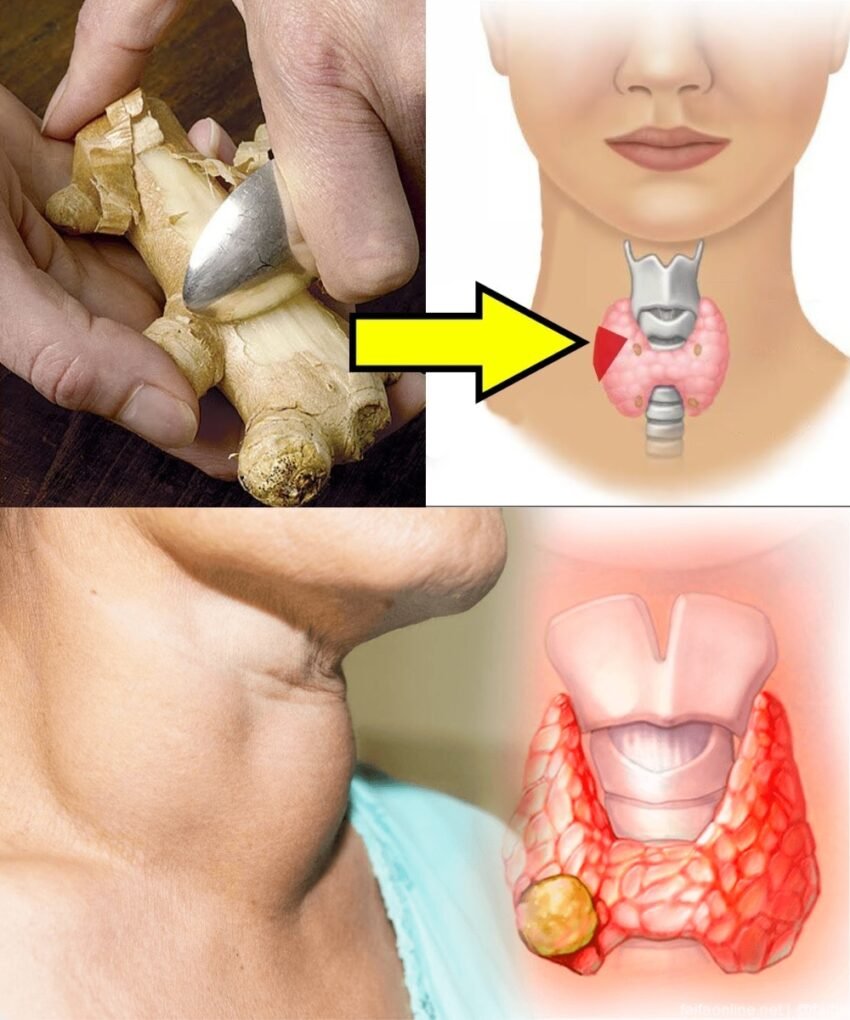
19 Foods to Avoid If You Have Hypothyroidism or Thyroid Problems
Discover the top 19 foods that can interfere with thyroid function, worsen hypothyroidism, and tips for maintaining a healthy thyroid-friendly diet.
Introduction
Hypothyroidism, or an underactive thyroid, affects metabolism, energy levels, and overall health. Your diet plays a critical role in managing thyroid function. While certain foods can support thyroid health, others may interfere with hormone production, absorption of medication, or worsen symptoms.
In this article, we’ll cover 19 foods you should avoid if you have hypothyroidism or other thyroid problems, along with tips for safe alternatives.
Why Some Foods Affect Thyroid Health
Certain foods can impact the thyroid in three main ways:
-
Goitrogens: Substances that can interfere with iodine uptake, needed for thyroid hormone production
-
Interference with medication absorption: Some foods or supplements can reduce the effectiveness of thyroid medications like levothyroxine
-
Inflammation or autoimmune triggers: Certain processed foods may worsen autoimmune thyroid conditions like Hashimoto’s
19 Foods to Avoid with Hypothyroidism
1. Soy and Soy-Based Products
-
Includes tofu, soy milk, edamame
-
Contains isoflavones, which can interfere with thyroid hormone production
-
Tip: Limit intake, especially around medication timing
2. Cruciferous Vegetables (Raw)
-
Broccoli, cauliflower, cabbage, Brussels sprouts, kale
-
Contain goitrogens that may block iodine absorption
-
Tip: Cooking reduces goitrogenic effects
3. Gluten-Containing Foods
-
Wheat, barley, rye
-
May worsen autoimmune thyroid disease in sensitive individuals
-
Tip: Consider gluten-free alternatives if you have Hashimoto’s
4. Processed Foods and Fast Foods
-
High in sodium and unhealthy fats
-
Can increase inflammation and disrupt metabolism
5. Sugary Foods and Drinks
-
Soda, candies, pastries
-
Can contribute to weight gain and worsen fatigue
6. Fatty Meats and Fried Foods
-
Can slow metabolism
-
Reduce effectiveness of thyroid hormones
7. Certain Nuts and Seeds in Excess
-
Peanuts, pine nuts, millet, and flaxseeds (raw)
-
Contain goitrogens or can interfere with thyroid function if consumed in very large amounts
8. Highly Processed Dairy Products
-
Ice cream, sweetened yogurts
-
High in sugar, which can affect metabolism
9. Alcohol
-
Can impair thyroid function and interfere with liver metabolism of hormones
10. Certain Fruits in Excess
-
Strawberries, peaches, pears (goitrogenic if consumed raw in large amounts)
11. Caffeinated Drinks in Excess
-
Coffee, energy drinks
-
Can interfere with absorption of thyroid medications
12. Spinach and Swiss Chard (Raw)
-
High in oxalates, can bind minerals and affect absorption
-
Tip: Light cooking reduces risk
13. Peppers and Nightshades (Some Sensitivities)
-
Tomatoes, bell peppers, eggplant in sensitive individuals
-
Can trigger inflammation in autoimmune thyroid disorders
14. Highly Processed Soy Protein Bars or Shakes
-
Concentrated isoflavones can impact thyroid hormones
15. Artificial Sweeteners
-
Aspartame and sucralose may affect gut health and metabolism
16. Refined Grains
-
White bread, pasta, pastries
-
Can cause spikes in blood sugar and worsen fatigue
17. Excessive Iodine
-
Seaweed, kelp supplements
-
Too much iodine can worsen hypothyroidism or trigger hyperthyroidism
18. Certain Legumes (Raw or Unsoaked)
-
Lentils, chickpeas, beans
-
Contain goitrogens unless soaked or cooked properly
19. Highly Processed Snack Foods
-
Chips, crackers, packaged foods
-
Often high in sodium, sugar, and additives that impair thyroid function
Tips for Thyroid-Friendly Eating
-
Cook cruciferous vegetables to reduce goitrogens
-
Space thyroid medication 30–60 minutes before food
-
Focus on iodine-rich foods in moderation: eggs, fish, dairy
-
Eat anti-inflammatory foods: berries, turmeric, fatty fish
-
Maintain a balanced diet with whole grains, lean protein, and healthy fats
Frequently Asked Questions (FAQs)
Q1: Can I eat cruciferous vegetables at all?
Yes. Cooked vegetables are safer, and moderate portions are generally fine.
Q2: Is soy completely off-limits?
No, small amounts are okay, but avoid excessive consumption, especially around medication.
Q3: Can alcohol worsen hypothyroidism?
Yes. Alcohol may impair thyroid hormone production and metabolism.
Q4: What’s the best approach to a thyroid-friendly diet?
Focus on whole, minimally processed foods, manage sugar and salt intake, and work with your doctor or nutritionist.
Final Thoughts
Managing hypothyroidism isn’t just about taking medication—it also involves mindful eating. Avoiding these 19 foods can help your thyroid function optimally, improve energy levels, and support overall health.
Combine thyroid-friendly nutrition with regular medical checkups to manage symptoms effectively and maintain a better quality of life.