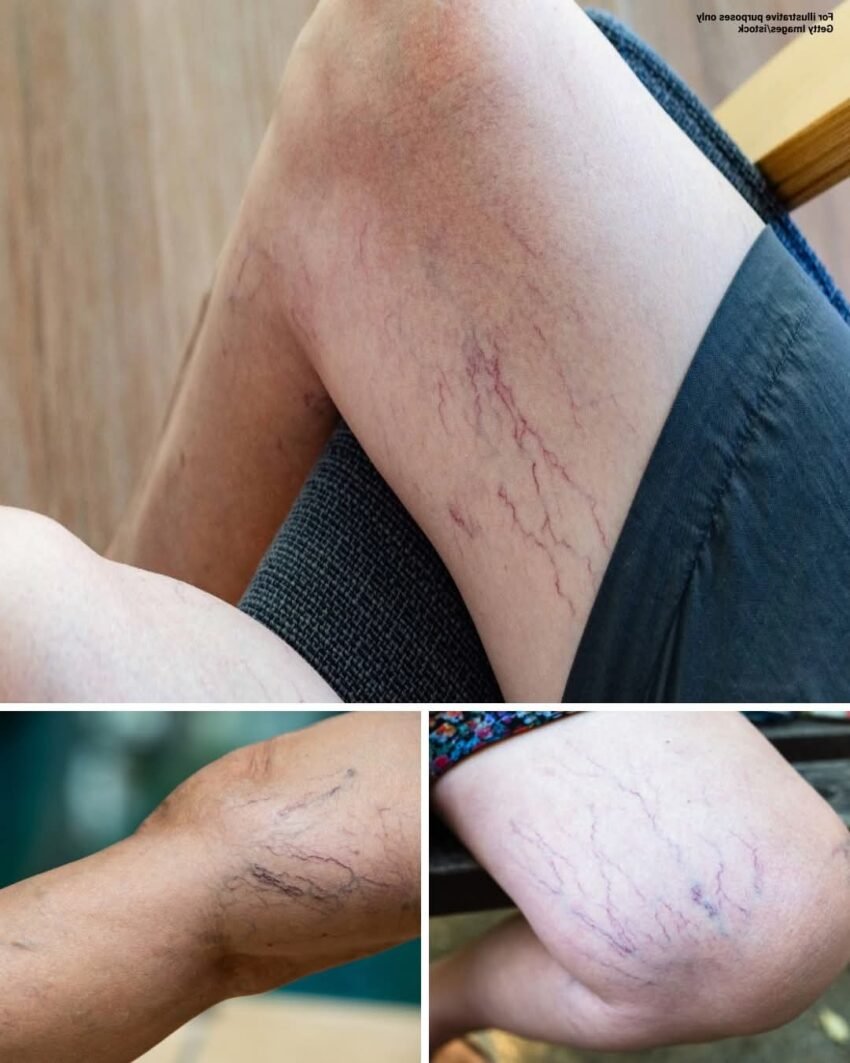
What Purple Veins on Your Legs Really Mean
Many people notice purple or bluish veins on their legs and wonder what they indicate about their health. While it may look concerning, in most cases, purple veins are a common vascular issue rather than a sign of a serious disease.
1. Spider Veins or Varicose Veins
-
Purple veins are often spider veins (small, thin veins) or varicose veins (larger, twisted veins).
-
These appear when veins are dilated or weakened, causing blood to pool instead of flowing efficiently to the heart.
-
Common in legs because standing increases pressure in leg veins.
2. What Causes Them
-
Genetics: Family history is a major factor
-
Hormonal changes: Pregnancy, menopause, or birth control pills can increase vein visibility
-
Age: Veins weaken with time
-
Obesity or sedentary lifestyle: Extra pressure on leg veins
-
Prolonged standing or sitting
3. Other Possible Causes
While most purple veins are harmless, sometimes they can indicate underlying circulation issues:
-
Chronic venous insufficiency: Veins struggle to return blood to the heart
-
Blood clots (rare): Usually accompanied by pain, swelling, or warmth
-
Vitamin or mineral deficiencies: Less common but can affect skin and vein health
4. Symptoms to Watch For
Seek medical advice if you notice:
-
Pain or heaviness in legs
-
Swelling around the ankles or calves
-
Itching, burning, or skin changes near veins
-
Sudden or rapidly worsening vein discoloration
5. Prevention and Management
-
Exercise regularly: Walking or cycling improves circulation
-
Elevate your legs: Reduce pressure when sitting or lying down
-
Wear compression stockings: Supports vein function
-
Maintain healthy weight: Reduces stress on veins
-
Avoid prolonged sitting or standing
Most purple veins are cosmetic, but early management improves appearance and prevents complications.
✅ Key Takeaway
Purple veins on your legs do not automatically mean something serious, but they indicate that your veins are under extra pressure or weakened. Lifestyle changes, compression stockings, or medical treatment can improve circulation, reduce discomfort, and prevent worsening.