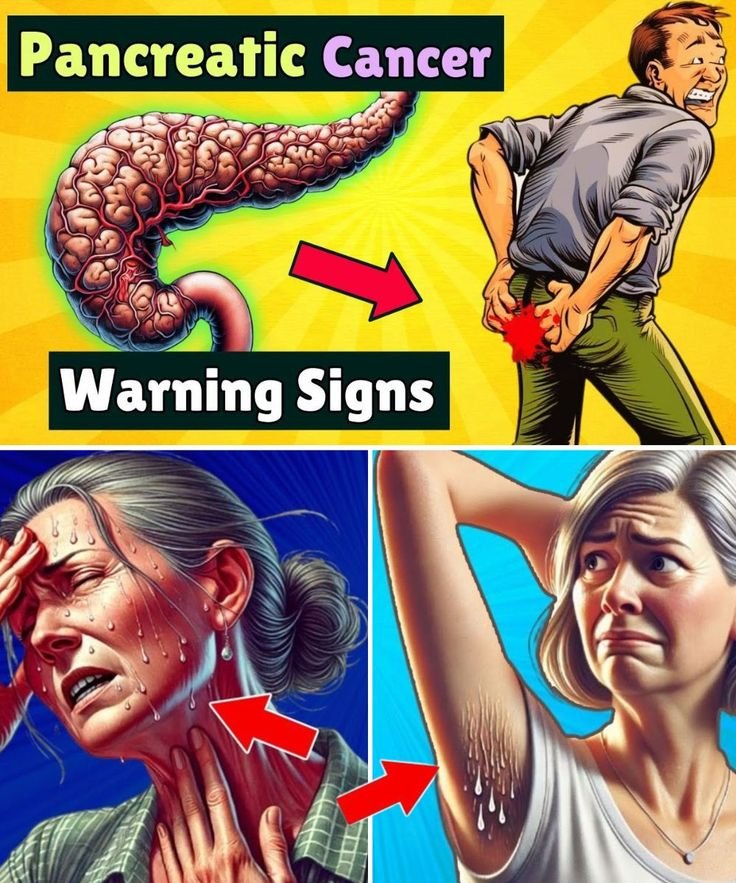
8 Shocking Signs of Pancreatic Cancer You Shouldn’t Ignore
Pancreatic cancer is deadly if detected late. Learn the 8 shocking early signs that everyone should watch for to catch it before it’s too late.
Introduction
Pancreatic cancer is known as a silent killer because it often shows subtle symptoms until the disease is advanced. Early detection is difficult, yet life-saving.
Being aware of early warning signs can help you seek medical attention promptly. Here are 8 shocking signs of pancreatic cancer that you should never ignore.
1. Unexplained Abdominal or Back Pain
-
Persistent pain in the upper abdomen or middle back may indicate pancreatic issues.
-
Pain may radiate from the abdomen to the back and often worsens when lying down.
-
Tip: Don’t ignore ongoing or severe abdominal discomfort—get evaluated by a doctor.
2. Sudden Weight Loss
-
Losing weight without diet or exercise changes is a red flag.
-
Pancreatic tumors can affect metabolism or interfere with digestion, leading to rapid weight loss.
3. Yellowing of the Skin and Eyes (Jaundice)
-
Yellow skin or eyes can occur when the tumor blocks the bile duct.
-
Accompanied by dark urine, pale stools, and itchy skin, this is a serious warning sign.
4. Loss of Appetite
-
A sudden lack of interest in food, feeling full quickly, or persistent nausea may indicate pancreatic dysfunction.
5. New-Onset Diabetes
-
Pancreatic cancer can affect insulin production, sometimes triggering diabetes in adults over 50.
-
If you suddenly develop diabetes without family history, consult a doctor.
6. Digestive Issues
-
Indigestion, bloating, nausea, or greasy stools can result from enzymes not being properly released due to pancreatic blockage.
7. Blood Clots
-
Unexplained or recurrent blood clots in the legs (deep vein thrombosis) or elsewhere may signal pancreatic cancer.
-
Tumors can increase clotting factors, making clot formation more likely.
8. Fatigue and Weakness
-
Persistent fatigue, weakness, or general malaise may appear as the body struggles with the disease.
-
Often overlooked because it seems like stress or lack of sleep.
Why Early Detection Matters
Pancreatic cancer is highly aggressive and often diagnosed late. Early detection can:
-
Increase the chances of successful treatment
-
Improve quality of life
-
Allow for timely surgical or medical interventions
Tips for Early Detection
-
Know Your Risk Factors: Family history, smoking, obesity, and chronic pancreatitis increase risk.
-
Watch for Subtle Symptoms: Even mild abdominal discomfort or unexplained weight loss warrants medical attention.
-
Routine Checkups: Blood tests and imaging studies can detect pancreatic abnormalities early.
-
Healthy Lifestyle: Diet rich in fruits, vegetables, and antioxidants may support pancreatic health.
Frequently Asked Questions (FAQs)
Q1: Can pancreatic cancer be cured?
-
Early-stage pancreatic cancer may be treated successfully with surgery, chemotherapy, or radiation, but late-stage detection reduces survival rates.
Q2: Are these symptoms always cancer?
-
No, many can be caused by other conditions, but it’s better to get checked promptly.
Q3: Who is at higher risk?
-
People over 50, smokers, diabetics, and those with a family history of pancreatic cancer are at higher risk.
Q4: How can I prevent pancreatic cancer?
-
Avoid smoking, maintain a healthy weight, exercise regularly, and eat a balanced, antioxidant-rich diet.
Final Thoughts
Pancreatic cancer is silent and deadly, but awareness of the 8 shocking early signs can save lives. Persistent abdominal pain, sudden weight loss, jaundice, new-onset diabetes, digestive issues, blood clots, loss of appetite, and fatigue are red flags that shouldn’t be ignored.
Early action, medical consultation, and routine screenings are key to improving survival chances.