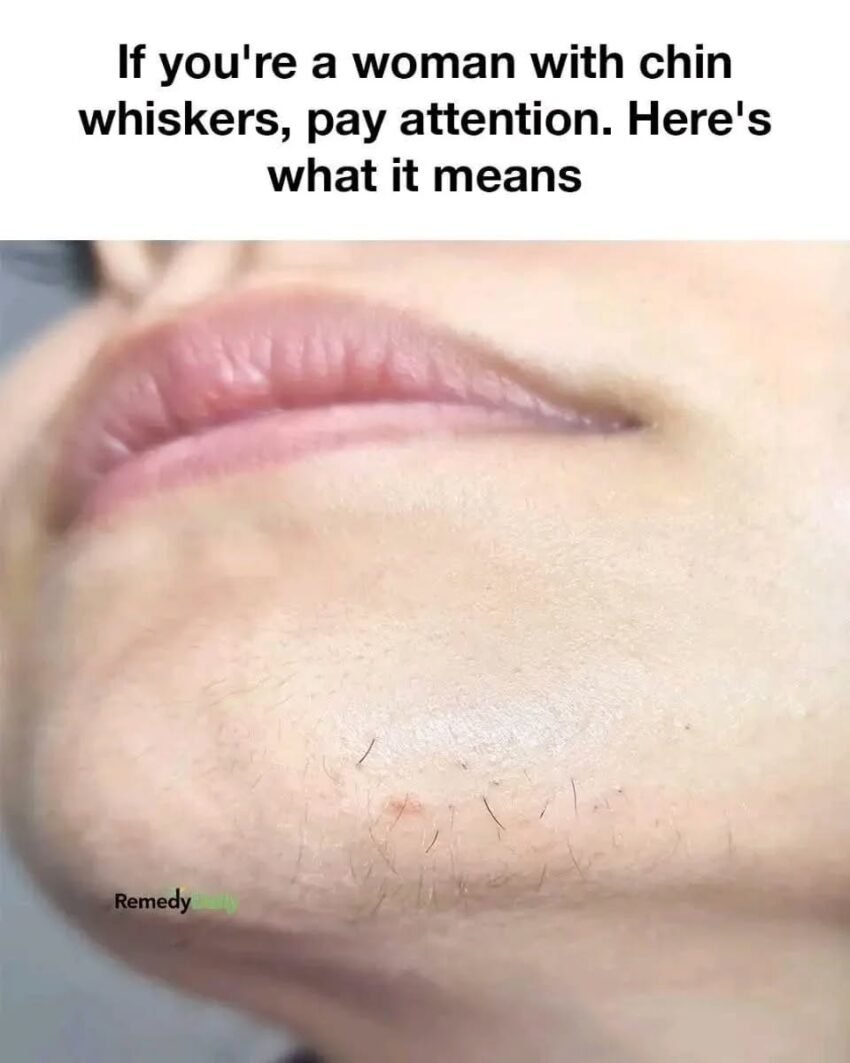
What Chin Whiskers Could Be Telling You About Your Health
Wondering why dark hairs appear on your chin? Learn what chin whiskers could indicate about your hormones, health, and when to see a doctor.
Introduction
Finding a dark hair on your chin can be surprising or even concerning, especially for women. While a few stray hairs are common and often harmless, they can sometimes signal underlying health issues.
Your chin hair may be more than a cosmetic concern—it could be a window into your hormonal health and overall well-being.
1. Hormonal Imbalance
-
What it means: Excess chin hair in women is often linked to androgen (male hormone) levels that are higher than usual.
-
Possible causes:
-
Polycystic Ovary Syndrome (PCOS): A condition that disrupts ovulation and increases male hormones.
-
Menopause: Hormonal fluctuations can trigger facial hair growth.
-
Adrenal Gland Disorders: Rare but can affect hormone production.
-
Tip: If you notice sudden or excessive hair growth, consider hormonal testing with your doctor.
2. Genetics
-
What it means: Sometimes chin whiskers run in the family.
-
Tip: If your mother or grandmother had facial hair, you may be more likely to develop it too. This is generally harmless and normal.
3. Medication Side Effects
Certain medications can affect hormone levels and trigger facial hair growth, including:
-
Steroids
-
Hormone treatments
-
Some anti-seizure medications
Tip: Check your prescriptions and talk to your doctor if you notice unexpected hair growth.
4. Insulin Resistance or Metabolic Issues
-
What it means: Conditions like insulin resistance or early type 2 diabetes can lead to hormonal imbalances that trigger facial hair growth.
-
Tip: Combine chin hair observation with other signs like fatigue, unusual weight gain, or skin changes, and consult a healthcare professional.
5. Lifestyle Factors
-
Stress, diet, and weight changes can subtly influence hormonal balance.
-
Tip: Maintain a healthy diet, regular exercise, and stress management to support hormonal health.
Managing Chin Hair
While chin whiskers are sometimes a health signal, many people want to remove or reduce them for cosmetic reasons. Safe methods include:
-
Plucking or tweezing
-
Waxing
-
Threading
-
Laser hair removal (for more permanent results)
-
Prescription creams (like eflornithine)
Note: Avoid excessive plucking or harsh chemicals, which can irritate the skin.
When to See a Doctor
-
Sudden or rapid increase in chin hair
-
Hair growth accompanied by irregular periods, acne, or weight changes
-
Suspected hormonal imbalance or PCOS
Early consultation can identify underlying health issues and allow for timely treatment.
Frequently Asked Questions (FAQs)
Q1: Is a few chin hairs normal?
-
Yes, a few stray hairs are common and usually harmless.
Q2: Can chin hair indicate menopause?
-
Yes, hormonal shifts during menopause can increase facial hair growth.
Q3: Does shaving make it worse?
-
No, shaving does not affect hair thickness or growth rate.
Q4: Can lifestyle changes reduce chin whiskers?
-
Indirectly, yes. Maintaining healthy weight, diet, and stress levels can support hormone balance.
Final Thoughts
Chin whiskers are more than a cosmetic concern—they can provide clues about hormonal health, metabolism, and genetics. While a few stray hairs are usually harmless, sudden or excessive growth should not be ignored.
Regular check-ups, healthy lifestyle choices, and safe hair removal methods can help you manage chin hair while monitoring your overall health.