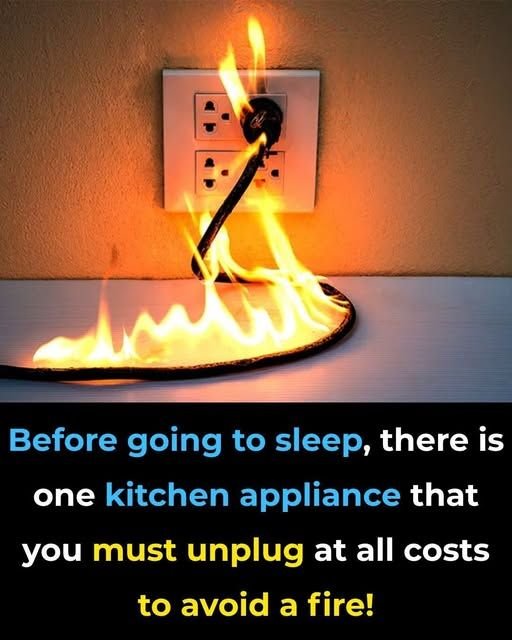
Protect Your Home and Wallet: Unplug These 5 Appliances When You’re Done Using Them
Unplugging certain home appliances can prevent fire hazards and save on electricity bills. Learn the 5 appliances you should never leave plugged in.
Introduction
Did you know that leaving some appliances plugged in even when not in use can cost you money and pose fire risks? Many people aren’t aware of the hidden dangers of “standby power”, also known as phantom load.
By simply unplugging a few key appliances, you can protect your home, save energy, and reduce your electricity bills. Here are 5 appliances you should always unplug after use.
1. Phone Chargers
-
Why unplug: Chargers continue to draw power even when your phone isn’t connected.
-
Cost impact: Over a year, this “phantom energy” can add up to several dollars per charger.
-
Tip: Plug chargers into a power strip and turn it off when not in use.
2. Microwaves
-
Why unplug: Microwaves with digital displays and clocks draw small amounts of electricity constantly.
-
Safety risk: Unplugging can also prevent electrical fires, especially in older appliances.
-
Tip: Only plug in your microwave when cooking, and unplug it afterward.
3. Coffee Makers
-
Why unplug: Many coffee machines stay in “ready” mode or keep warming plates hot.
-
Cost impact: Continuous standby mode uses electricity and can slightly increase your energy bill.
-
Tip: Unplug after brewing, especially if you won’t use it again that day.
4. Televisions and Gaming Consoles
-
Why unplug: TVs, cable boxes, and gaming consoles draw power even when “off,” sometimes up to 10–15 watts per device.
-
Cost impact: Over time, this can add $50–$100 per year to your electricity bill.
-
Tip: Use a smart power strip to cut power completely when devices aren’t in use.
5. Toasters and Toaster Ovens
-
Why unplug: While not always high-energy consumers, leaving these plugged in can be a fire hazard.
-
Tip: Make it a habit to unplug small kitchen appliances after use.
Bonus Tips for Energy Savings
-
Use power strips: Group multiple devices together to easily switch off power.
-
Look for ENERGY STAR appliances: These use less standby power.
-
Regularly check cords: Damaged cords increase fire risk.
-
Schedule appliance usage: Only plug in high-energy devices when needed.
Frequently Asked Questions (FAQs)
Q1: Does unplugging appliances really save money?
-
Yes! Standby power can account for 5–10% of your electricity bill. Unplugging can save dozens of dollars annually.
Q2: Can leaving chargers plugged in cause fires?
-
Rarely, but old or damaged chargers can overheat, posing a fire risk.
Q3: Are smart plugs useful for this?
-
Absolutely! Smart plugs let you turn off devices remotely and schedule power cuts.
Q4: Which appliances are safe to leave plugged in?
-
Refrigerators and freezers need to stay plugged in. Other devices like ovens, heaters, or medical equipment should not be unplugged.
Final Thoughts
Unplugging appliances isn’t just about saving electricity—it’s about protecting your home, avoiding fire hazards, and saving money.
By unplugging your phone chargers, microwave, coffee maker, TVs, and toaster, you take a simple but powerful step toward energy efficiency. Small habits like these add up to big savings and peace of mind.