Signs of Pancreatic Cancer You Should Never Ignore
Pancreatic cancer often shows subtle symptoms. Learn the warning signs you should never ignore and why early detection can save lives.
Introduction: Why Pancreatic Cancer Is So Dangerous
Pancreatic cancer is one of the most serious and challenging cancers to detect early. It often develops quietly, with symptoms that are vague, mild, or easily mistaken for common digestive or lifestyle issues. Because of this, many people are diagnosed only after the disease has already progressed.
What makes pancreatic cancer especially dangerous is not just how aggressive it can be—but how easy it is to overlook the early warning signs.
Understanding these signs and taking them seriously can make a life-changing difference. Early diagnosis improves treatment options, quality of life, and survival outcomes.
What Is Pancreatic Cancer?
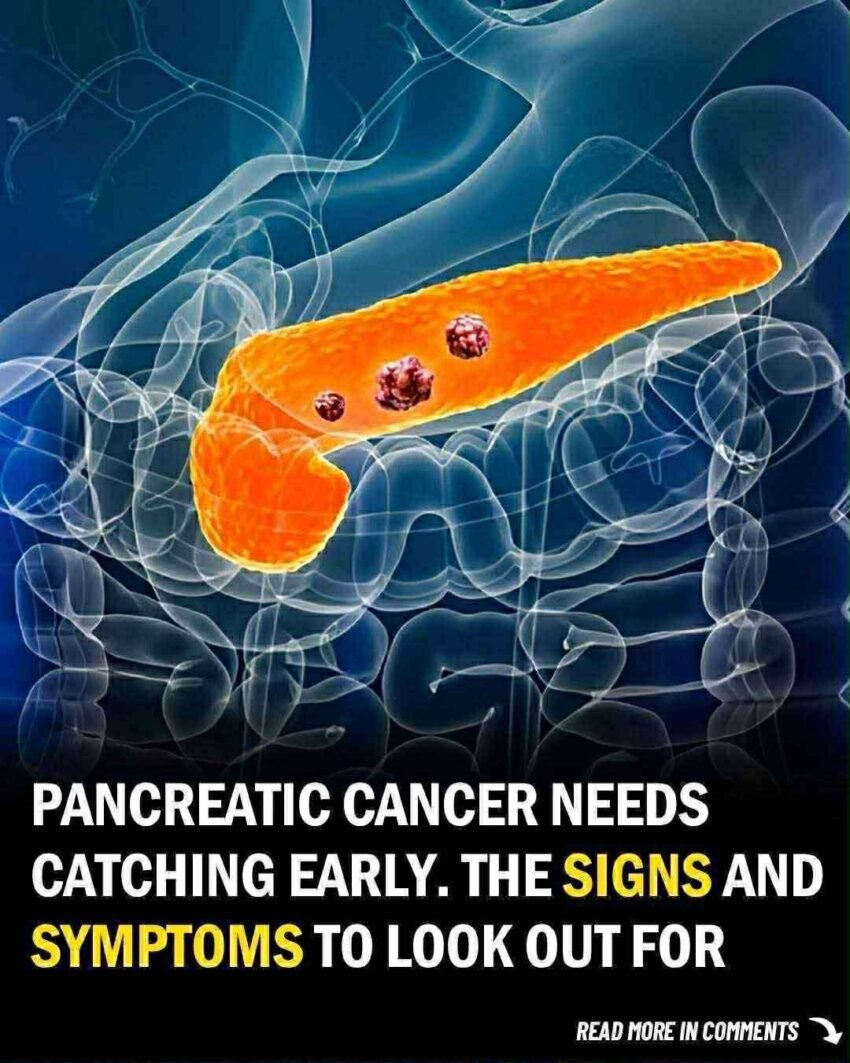
Pancreatic cancer occurs when abnormal cells grow uncontrollably in the pancreas—an organ located behind the stomach that plays a vital role in digestion and blood sugar regulation.
The pancreas:
-
Produces enzymes that help digest food
-
Releases hormones like insulin that control blood sugar
When cancer disrupts these functions, symptoms may appear throughout the body—not just in the abdomen.
Why Early Symptoms Are Often Missed
Pancreatic cancer symptoms are often:
-
Mild at first
-
Similar to digestive problems
-
Painless in early stages
-
Gradual rather than sudden
Many people delay seeing a doctor, assuming the symptoms will pass. Unfortunately, time matters greatly with this disease.
Warning Signs of Pancreatic Cancer You Should Never Ignore
1. Persistent Upper Abdominal Pain
One of the most common early symptoms is a dull, aching pain in the upper abdomen.
-
Pain may radiate to the back
-
Often worsens when lying down
-
May improve temporarily when leaning forward
This pain is not usually sharp but tends to be constant and progressively worse.
2. Unexplained Weight Loss
Losing weight without trying is a red flag for many serious conditions, including pancreatic cancer.
-
Appetite may decrease
-
Food may feel unappealing
-
Weight loss may be rapid or gradual
This happens because the body is not properly digesting or absorbing nutrients.
3. Loss of Appetite or Early Fullness
Many people with pancreatic cancer report feeling full after eating very little.
-
Meals become uncomfortable
-
Nausea may occur
-
Interest in food declines
This symptom is often overlooked or blamed on stress or aging.
4. Jaundice (Yellowing of Skin or Eyes)
Jaundice is one of the most recognizable warning signs.
It may include:
-
Yellowing of the skin or whites of the eyes
-
Dark urine
-
Pale or clay-colored stools
-
Itchy skin
This occurs when a tumor blocks the bile duct, preventing bile from flowing properly.
5. Changes in Stool or Digestion
The pancreas plays a key role in digestion, so cancer can disrupt bowel habits.
Watch for:
-
Greasy, foul-smelling stools
-
Floating stools
-
Diarrhea or constipation
-
Difficulty digesting fatty foods
These changes may indicate enzyme deficiencies.
6. New-Onset Diabetes or Worsening Blood Sugar Control
Sudden diabetes—especially in adults over 50 with no family history—can be an early sign.
-
Blood sugar becomes difficult to control
-
Increased thirst or urination
-
Fatigue
In some cases, pancreatic cancer interferes with insulin production before other symptoms appear.
7. Persistent Fatigue and Weakness
Cancer places a heavy metabolic burden on the body.
-
Fatigue may feel constant
-
Rest does not improve energy
-
Daily tasks become exhausting
This is often dismissed as stress or poor sleep but should not be ignored when persistent.
8. Nausea or Vomiting
Tumors can partially block the digestive tract, leading to:
-
Ongoing nausea
-
Vomiting after meals
-
Feeling unwell after eating
These symptoms often worsen over time rather than improve.
9. Back Pain Without Clear Cause
Pain that spreads from the abdomen to the middle or lower back can occur as the tumor presses on nerves or surrounding tissues.
-
Often worse at night
-
Not linked to physical activity or injury
This type of pain should always be evaluated.
10. Blood Clots or Swelling in the Legs
In some cases, pancreatic cancer increases the risk of blood clots.
Signs include:
-
Swelling, redness, or pain in one leg
-
Sudden shortness of breath (if a clot travels to the lungs)
These symptoms require immediate medical attention.
Who Is at Higher Risk?
Certain factors increase the risk of pancreatic cancer:
-
Age over 50
-
Smoking
-
Chronic pancreatitis
-
Long-standing diabetes
-
Obesity
-
Family history of pancreatic cancer
Having risk factors does not mean you will develop cancer—but it means symptoms should be taken more seriously.
When Should You See a Doctor?
You should seek medical advice if you experience:
-
Multiple symptoms together
-
Symptoms that worsen over weeks
-
Unexplained weight loss or jaundice
-
Persistent abdominal or back pain
Early testing can include blood work, imaging studies, and specialized scans.
Why Early Action Matters
Pancreatic cancer is difficult to treat once advanced, but early detection can:
-
Expand treatment options
-
Reduce complications
-
Improve survival rates
-
Improve quality of life
Listening to your body and acting early can be lifesaving.
Frequently Asked Questions (FAQs)
Is pancreatic cancer always fatal?
No. Outcomes are better when detected early.
Are symptoms always severe?
No. Early symptoms are often mild and vague.
Can digestive issues be the first sign?
Yes, digestion-related symptoms are common early indicators.
Is pain always present?
Not always in early stages.
Can younger people get pancreatic cancer?
Yes, though it is more common with age.
Does jaundice always mean cancer?
No, but it always requires medical evaluation.
Can lifestyle changes prevent it?
They may reduce risk but cannot eliminate it entirely.
Should I worry about occasional stomach pain?
Occasional pain is common, but persistent or worsening pain should be checked.
Final Thoughts: Don’t Ignore the Subtle Signs
Pancreatic cancer rarely announces itself loudly. It often whispers through subtle symptoms that are easy to dismiss—until it’s too late.
Paying attention to persistent changes in your body, especially digestion, weight, pain, and energy levels, can make all the difference.
When something feels off and doesn’t improve, trust your instincts and seek medical advice.
Call to Action
If this article helped raise awareness:
-
✅ Share it with friends and family
-
✅ Encourage loved ones to listen to their bodies
-
✅ Take unexplained symptoms seriously
Early awareness saves lives.