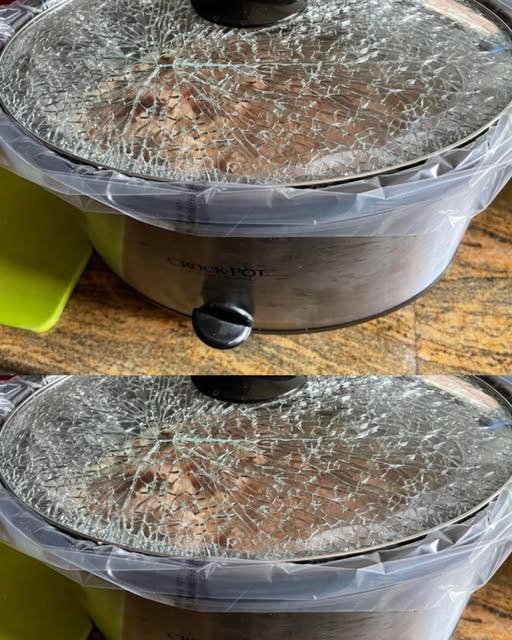
7 Critical Reasons Why You Should Never Put Your Crockpot on the Stovetop
Placing a crockpot on a stovetop is a serious kitchen hazard. Learn the real dangers, safety risks, expert insights, and safer alternatives.
Slow cookers—commonly known by the brand name Crockpot—have earned a permanent spot in modern kitchens. They’re convenient, energy-efficient, and perfect for hands-off cooking. However, despite their popularity, one dangerous misconception continues to circulate online and through word of mouth: that it’s okay to place a crockpot directly on a stovetop.
This article exists to clear up that misconception once and for all.
If you’ve ever wondered whether it’s safe, practical, or even “kind of okay” to put a crockpot on a stovetop—especially when counter space is limited—this guide will walk you through exactly why you should never do it, backed by real-world examples, safety standards, and expert reasoning.
Whether you’re a beginner home cook or an experienced kitchen enthusiast, understanding this topic could prevent costly damage, serious injury, or even a house fire.
Understanding How a Crockpot Is Designed to Work
Before diving into the risks, it’s important to understand how a crockpot actually functions.
What a Crockpot Is (and Is Not)
A crockpot is an electric countertop appliance designed for low, slow, and even heat distribution over long periods. It consists of:
-
A ceramic or stoneware inner pot
-
A heating element embedded in the outer base
-
Temperature controls calibrated for gradual heat buildup
What it is not designed for:
-
Direct exposure to open flames
-
Contact with red-hot electric coils
-
Sudden temperature changes
Unlike stovetop cookware, crockpots are not built to handle intense, localized heat.
Why People Put Crockpots on Stovetops (And Why That’s Dangerous)
Despite manufacturer warnings, people still do it. Here’s why:
-
Limited counter space
-
Mistaken belief that “heat-resistant” means flame-safe
-
Desire to keep food warm
-
Misunderstanding slow cooker construction
Unfortunately, these assumptions can have serious consequences.
1. Extreme Heat Can Crack or Shatter the Ceramic Insert
Thermal Shock Explained
Crockpot inserts are typically made from ceramic or stoneware. While durable for slow cooking, they are highly vulnerable to thermal shock—a sudden change in temperature.
When placed on a stovetop:
-
Heat concentrates at the bottom
-
Temperature rises too quickly
-
Uneven expansion occurs
This can cause the insert to:
-
Crack instantly
-
Shatter without warning
-
Develop microfractures that fail later
Once compromised, the insert becomes unsafe—even for normal use.
2. Stovetops Can Melt or Ignite the Crockpot Base
The outer shell of a crockpot is usually made of:
-
Plastic
-
Thin metal with internal wiring
-
Insulated materials not rated for open heat
Electric and gas stovetops can reach over 1,000°F, far beyond what a crockpot base can withstand.
Real Risks Include:
-
Melted plastic releasing toxic fumes
-
Exposed wiring
-
Electrical short circuits
-
Permanent appliance failure
According to consumer safety data referenced by organizations like the U.S. Consumer Product Safety Commission, improper appliance placement is a common cause of kitchen-related incidents.
3. Serious Fire Hazard
Placing a crockpot on a stovetop dramatically increases fire risk.
How Fires Start
-
Heat damages insulation
-
Wires short-circuit
-
Grease or food residue ignites
-
Gas flames contact non-flame-safe materials
Kitchen fires are among the most common household fires, and improper appliance use is a leading cause.
Even if the stovetop is turned “off,” residual heat can remain high enough to cause damage.
4. Electric Shock and Electrical Failure
Crockpots rely on internal wiring and thermostats designed for controlled environments.
When exposed to stovetop heat:
-
Wiring insulation degrades
-
Moisture from food can interact with damaged components
-
Risk of electric shock increases
This danger extends beyond the appliance itself and can affect:
-
Nearby outlets
-
Extension cords
-
Other plugged-in devices
Electrical safety experts consistently warn against mixing electric appliances with unintended heat sources.
5. Voided Warranty and Manufacturer Liability
Nearly all crockpot manufacturers explicitly state:
“Do not place the appliance on or near a heated surface.”
Doing so typically results in:
-
Immediate warranty void
-
No eligibility for repair or replacement
-
Manufacturer not liable for damage or injury
This information is commonly found in user manuals and safety documentation referenced by appliance manufacturers and consumer advocacy platforms like Wikipedia’s appliance safety guidelines.
6. Damage to Your Stovetop
The danger isn’t limited to the crockpot.
Potential Stovetop Damage
| Stovetop Type | Possible Damage |
|---|---|
| Glass-top | Cracking, scratching, heat stains |
| Gas | Melted grates, blocked burners |
| Electric coil | Warped coils, electrical faults |
Replacing a stovetop is significantly more expensive than replacing a countertop appliance.
7. Safer Alternatives You Should Use Instead
If counter space or heat management is the issue, safer options exist.
Better Placement Options
-
Heat-resistant countertop mats
-
Dedicated appliance carts
-
Kitchen islands
-
Wall-mounted shelves (for storage only, not active use)
If You Need Stovetop Cooking
Use cookware specifically designed for stovetop use:
-
Dutch ovens
-
Heavy-bottomed saucepans
-
Cast iron pots
These materials are engineered for direct heat and temperature control.
Pros and Cons of Crockpots (Used Correctly)
Pros
-
Energy-efficient
-
Consistent low-temperature cooking
-
Minimal supervision required
-
Ideal for meal prep
Cons
-
Not suitable for high heat
-
Limited versatility compared to stovetop cookware
-
Requires proper placement and ventilation
Using the appliance correctly ensures the benefits far outweigh the limitations.
Common Mistakes to Avoid
-
Placing the crockpot on a stove—even when off
-
Using it near open flames
-
Resting it on unstable surfaces
-
Ignoring manufacturer safety guidelines
-
Using damaged inserts
Avoiding these mistakes dramatically reduces risk.
Frequently Asked Questions
Can I put a crockpot on a stovetop if it’s turned off?
No. Residual heat and accidental activation still pose serious risks.
Is it safe to put a crockpot on a glass-top stove?
Absolutely not. Glass tops are especially vulnerable to cracking and heat damage.
Can I use the ceramic insert on the stove by itself?
Only if the manufacturer explicitly states it is stovetop-safe, which is rare.
Why do some people say they’ve done it without problems?
Absence of immediate damage doesn’t mean it’s safe. Many failures happen later.
Does this apply to all slow cookers?
Yes. Regardless of brand or size, slow cookers are not stovetop appliances.
What happens if the crockpot cracks but still works?
Cracked inserts can shatter during use and should be replaced immediately.
Can I keep food warm on the stove using a crockpot?
No. Use the appliance’s built-in warm setting on a countertop.
Are there slow cookers designed for stovetop use?
Some multi-cookers have stovetop-safe inserts, but the base itself should never be placed on a stove.
Is this a common cause of kitchen accidents?
Improper appliance placement is a well-documented contributor to kitchen hazards.
Latest Trends in Kitchen Appliance Safety
Modern kitchens are shifting toward:
-
Smart appliances with auto shut-off
-
Heat-sensing surfaces
-
Integrated safety alerts
Manufacturers are also emphasizing clearer labeling and user education. However, consumer awareness remains the most critical factor.
Practical Safety Tips for Everyday Cooking
-
Always read appliance manuals
-
Keep electric appliances away from heat sources
-
Unplug when not in use
-
Use heat-resistant surfaces
-
Educate family members about appliance safety
These small habits can prevent major accidents.
Final Thoughts: Safety Should Always Come First
Placing a crockpot on a stovetop might seem harmless—or even convenient—but the risks far outweigh any perceived benefit. From fire hazards and electrical failures to shattered cookware and voided warranties, the consequences can be severe and entirely preventable.
Your kitchen should be a place of comfort, not danger.
By understanding how appliances are designed and respecting their limitations, you protect your home, your investment, and most importantly—your safety.
Call to Action
If you found this guide helpful, share it with friends or family who love slow cooking. A single piece of information can prevent a costly or dangerous mistake. Stay safe, cook smart, and keep learning.