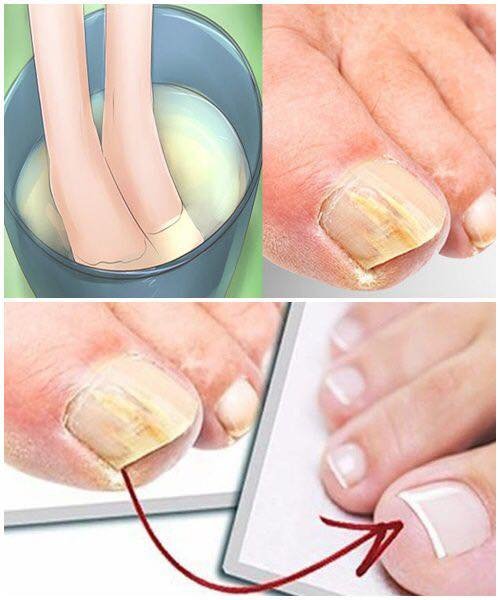
Eliminate Nail Fungus With These Home Remedies: What Really Helps and What to Know
Struggling with nail fungus? Discover safe home remedies that may help improve nail health, reduce fungal growth, and support recovery naturally.
Nail fungus is a common but frustrating condition that affects millions of people worldwide. Thickened, discolored, brittle nails can be embarrassing, uncomfortable, and difficult to treat. While prescription medications exist, many people look for natural, at-home approaches to support nail health—especially in mild or early cases.
This article explores commonly recommended home remedies for nail fungus, explains how they may help, and outlines their limitations. Most importantly, it sets realistic expectations so readers can make informed, safe decisions.
What Is Nail Fungus?
Nail fungus, medically known as onychomycosis, is a fungal infection that develops when fungi enter the nail through small cracks or separations between the nail and nail bed.
Common Signs Include
-
Yellow, white, or brown discoloration
-
Thickened or brittle nails
-
Crumbling edges
-
Distorted nail shape
-
Mild odor in advanced cases
Fungal infections thrive in warm, moist environments, which is why toenails are affected more often than fingernails.
Why Nail Fungus Is Hard to Treat
Nails grow slowly, and fungi can embed themselves deep under the nail plate. This makes treatment challenging and often lengthy.
Key reasons treatment takes time:
-
Limited blood supply to nails
-
Slow nail growth
-
Fungi protected beneath the nail surface
Even medical treatments can take months to show visible improvement.
Can Home Remedies Really Help Nail Fungus?
Home remedies do not guarantee elimination of nail fungus, especially in severe cases. However, some natural approaches may:
-
Reduce fungal growth
-
Improve nail appearance
-
Support overall nail hygiene
-
Help prevent recurrence
They are most effective when:
-
The infection is mild or early-stage
-
Used consistently
-
Combined with proper foot and nail care
Popular Home Remedies for Nail Fungus
1. Tea Tree Oil
Tea tree oil is widely known for its antifungal and antibacterial properties.
How it may help:
-
May inhibit fungal growth
-
Helps keep nails clean
How to use:
-
Dilute with a carrier oil
-
Apply to affected nail once or twice daily
Important note: Some people experience skin irritation. Always do a patch test.
2. Apple Cider Vinegar
Apple cider vinegar is often used to create an acidic environment that fungi may find difficult to survive in.
How it may help:
-
Alters nail surface pH
-
Supports hygiene
How to use:
-
Mix equal parts vinegar and warm water
-
Soak nails for 15–20 minutes daily
-
Dry thoroughly afterward
3. Baking Soda
Baking soda is commonly used to absorb moisture.
How it may help:
-
Keeps nails dry
-
May limit fungal spread
Common uses:
-
Added to foot soaks
-
Used as a paste with water
While not antifungal on its own, it supports a less fungus-friendly environment.
4. Garlic
Garlic contains compounds studied for antifungal activity.
How it may help:
-
May reduce fungal presence
How to use cautiously:
-
Crushed garlic mixed with oil
-
Applied briefly to the nail
Direct application may irritate skin, so care is essential.
5. Coconut Oil
Coconut oil contains fatty acids that may help disrupt fungal cell membranes.
Benefits include:
-
Moisturizes surrounding skin
-
Supports nail flexibility
-
Gentle for daily use
Apply a thin layer to clean, dry nails once or twice daily.
6. Epsom Salt Soaks
Epsom salt soaks are commonly used for foot care.
How it may help:
-
Softens nails
-
Improves cleanliness
-
Helps manage moisture
Soak feet for 15–20 minutes, then dry completely.
What Home Remedies Cannot Do
It’s important to be realistic.
Home remedies:
-
Do not work overnight
-
May not penetrate deeply under thick nails
-
Are less effective for severe infections
-
Cannot replace medical treatment when needed
Claims of “instant cures” or “guaranteed results” are misleading.
Pros and Cons of Home Remedies
Pros
-
Low cost
-
Easy to try at home
-
Minimal side effects when used properly
-
Useful for prevention and early cases
Cons
-
Limited scientific evidence
-
Slow results
-
Inconsistent effectiveness
-
Not suitable for advanced infections
Common Mistakes to Avoid
-
Skipping daily hygiene
-
Stopping treatment too early
-
Applying remedies to dirty or wet nails
-
Sharing nail tools
-
Wearing tight, non-breathable shoes
Consistency matters more than the remedy itself.
Daily Habits That Support Nail Recovery
Healthy habits can make a big difference.
Best Practices
-
Keep nails trimmed and clean
-
Dry feet thoroughly after washing
-
Wear breathable footwear
-
Change socks daily
-
Disinfect nail tools regularly
Preventing moisture buildup is essential.
When to See a Medical Professional
Home remedies may not be enough if:
-
Pain develops
-
Nails become severely thickened
-
Multiple nails are affected
-
No improvement occurs after several months
-
You have diabetes or circulation issues
Medical treatments may include topical or oral antifungal medications.
Frequently Asked Questions
Can nail fungus go away on its own?
Rarely. Without treatment, it often persists or worsens.
How long do home remedies take to show results?
Several weeks to months, depending on nail growth.
Are home remedies safe?
Most are safe when used properly, but skin reactions are possible.
Can I combine multiple remedies?
Yes, but avoid overuse that may irritate the skin.
Do home remedies work better on fingernails or toenails?
They tend to work better on fingernails due to faster growth.
Can nail polish make fungus worse?
Yes. It can trap moisture and block treatment.
Is nail fungus contagious?
It can spread through shared surfaces and tools.
Do lifestyle changes really help?
Yes. Hygiene and moisture control are critical.
Current Trends in Natural Nail Care
There is growing interest in:
-
Preventive foot care
-
Minimal-ingredient treatments
-
Gentle, non-invasive approaches
-
Education over miracle claims
Consumers are increasingly seeking safe, evidence-aware solutions rather than quick fixes.
Final Thoughts
Home remedies for nail fungus can be helpful tools, especially in mild cases or as supportive care. However, they are not magic cures. Success depends on consistency, patience, and realistic expectations.
Healthy nails take time to grow—and healing takes even longer.
Conclusion
Eliminating nail fungus is a gradual process, whether using home remedies or medical treatments. Natural approaches may support nail health, improve appearance, and help prevent worsening, but persistent or severe infections require professional care.
Understanding what works—and what doesn’t—protects both your health and your expectations.
Call to Action
If this guide helped you better understand nail fungus and home care options, consider sharing it with others who may benefit.
Knowledge is one of the best tools for healthier living.