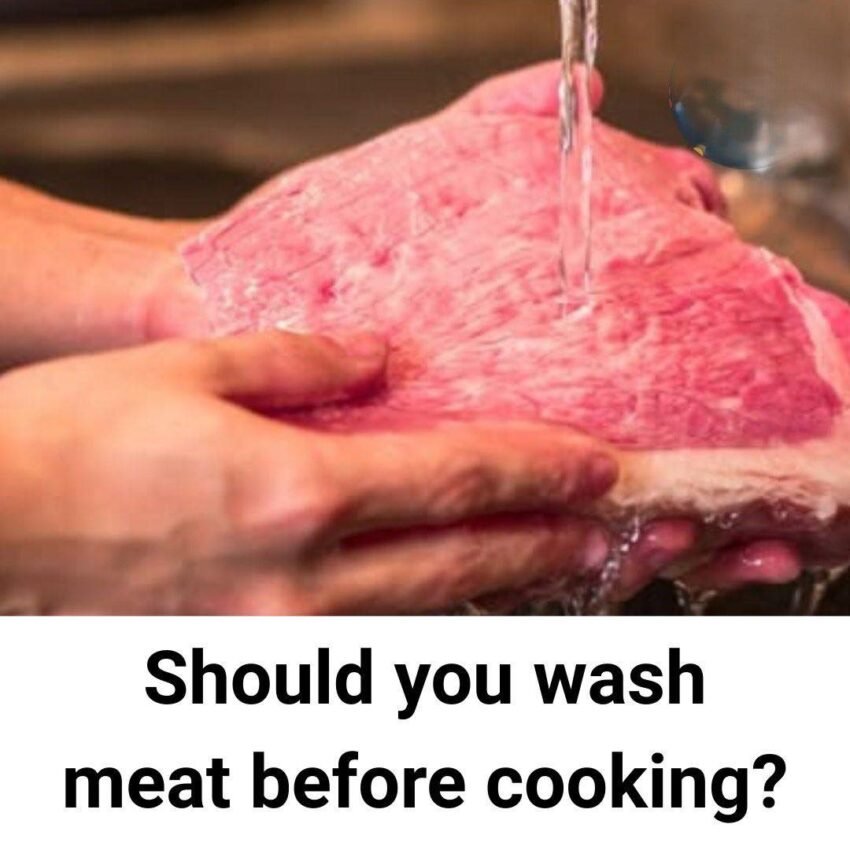
Should You Wash Meat Before Cooking? Here’s What You Really Need to Know
Should you wash meat before cooking? Learn what food safety experts say, why washing meat can be risky, and the safest way to prepare meat.
Washing meat before cooking is one of the most debated kitchen habits worldwide. Many people were taught from a young age to rinse chicken, beef, or fish under running water to “clean” it. Others have heard warnings that washing meat is dangerous and should never be done.
So which is correct?
This article explains why people wash meat, what science and food safety experts say, what actually kills bacteria, and how to handle meat safely at home—so you can cook with confidence and protect your health.
Why This Question Causes So Much Confusion
The confusion around washing meat often comes from:
-
Cultural cooking traditions
-
Advice passed down through generations
-
Fear of bacteria and contamination
-
Misunderstanding how cooking works
While the intention behind washing meat is usually good, intention doesn’t always equal safety.
The Short Answer
No, you should not wash raw meat before cooking.
Washing meat does not make it safer—and in many cases, it increases the risk of spreading harmful bacteria around your kitchen.
Why People Wash Meat in the First Place
Understanding the habit helps explain why it’s so common.
Common Reasons
-
To remove blood or juices
-
To “wash away bacteria”
-
To remove slime or odor
-
Cultural or family tradition
-
Fear of foodborne illness
While these concerns are understandable, washing meat does not solve them.
What’s Actually on Raw Meat?
Raw meat may contain bacteria such as:
-
Salmonella
-
Campylobacter
-
E. coli
These bacteria are not visible and cannot be washed away with water.
They cling to the meat’s surface and are only destroyed by proper cooking temperatures, not rinsing.
Why Washing Meat Is Not Recommended
1. Washing Does Not Remove Bacteria
Water alone:
-
Does not kill bacteria
-
Does not disinfect meat
-
Does not make it safer to eat
Bacteria remain on the meat until heat destroys them.
2. Washing Spreads Bacteria Around Your Kitchen
When you rinse meat:
-
Water splashes onto sinks, counters, utensils, and clothing
-
Bacteria can spread up to several feet
-
Surfaces may look clean but still be contaminated
This process is known as cross-contamination, one of the leading causes of foodborne illness at home.
3. Soap or Vinegar Is Not Safe Either
Some people use:
-
Soap
-
Lemon juice
-
Vinegar
-
Salt water
These methods are unsafe because:
-
Soap can leave toxic residue
-
Acids don’t reliably kill bacteria
-
Meat absorbs substances easily
Meat should never be washed with cleaning agents.
What Actually Makes Meat Safe to Eat
Heat Is the Only Reliable Solution
Cooking meat to the correct internal temperature:
-
Kills harmful bacteria
-
Makes food safe
-
Preserves kitchen hygiene
Examples:
-
Poultry must be cooked thoroughly
-
Ground meats need higher internal heat
-
Whole cuts require proper doneness
Using a food thermometer is the most reliable method.
Does Washing Meat Ever Make Sense?
There are very limited situations where rinsing may be done—but not for safety.
Examples
-
Removing visible bone fragments
-
Rinsing excess brine from certain seafood
Even then:
-
It should be done carefully
-
The sink must be cleaned and disinfected afterward
-
Hands and nearby surfaces must be washed immediately
These situations are about preparation, not sanitation.
Special Case: Washing Fish or Seafood
Some people rinse fish to remove:
-
Scales
-
Slime
-
Surface debris
This is acceptable only if done carefully, followed by thorough cleanup.
Still, rinsing does not make seafood safer—only cooking does.
Pros and Cons of Washing Meat
Perceived Pros
-
Feels cleaner
-
Removes visible residue
-
Matches traditional habits
Actual Cons
-
Spreads bacteria
-
Increases food poisoning risk
-
Creates false sense of safety
-
Contaminates kitchen surfaces
From a food safety perspective, the risks outweigh any perceived benefits.
Common Myths About Washing Meat
“Washing removes bacteria”
False. Only heat kills bacteria effectively.
“My family has always done it”
Tradition doesn’t always equal safety.
“I wash it carefully, so it’s fine”
Even gentle rinsing can spread bacteria.
“The smell means it needs washing”
Strong odors may indicate spoilage, not dirt.
How to Handle Raw Meat Safely Instead
Best Practices
-
Do not rinse raw meat
-
Keep raw meat separate from other foods
-
Use dedicated cutting boards
-
Wash hands with soap after handling
-
Clean and disinfect surfaces immediately
-
Cook meat thoroughly
These steps dramatically reduce risk.
What to Do If You’ve Always Washed Meat
If washing meat has been a long-standing habit:
-
Stop gradually
-
Focus on cleanliness after handling
-
Pay attention to cooking temperatures
-
Improve overall kitchen hygiene
Changing habits can feel uncomfortable, but safety matters.
Frequently Asked Questions
Is washing chicken especially dangerous?
Yes. Poultry carries bacteria that spread easily through splashing.
Can hot water make washing safer?
No. Water temperature does not kill bacteria during rinsing.
Does freezing meat kill bacteria?
No. Freezing only pauses bacterial growth.
Should I wash meat from a butcher?
No. The same rules apply.
What about organic or fresh meat?
All raw meat carries bacteria, regardless of source.
Is patting meat dry with paper towels better?
Yes. Drying helps with cooking and doesn’t spread bacteria.
Can I wash packaged meat if it looks slimy?
Sliminess can be normal, especially in vacuum-sealed meat.
Is it safe to wash meat outdoors?
No. Cross-contamination can still occur.
Current Food Safety Perspective
Modern food safety guidelines emphasize:
-
Prevention of cross-contamination
-
Education over tradition
-
Cooking over rinsing
-
Clean kitchens, not washed meat
Public health organizations consistently recommend not washing raw meat.
Final Thoughts
Washing meat before cooking may feel like a good habit, but it doesn’t make food safer—and can actually increase health risks. Clean cooking starts with proper handling, good hygiene, and thorough cooking, not rinsing raw ingredients.
Understanding the science behind food safety helps protect you and your family from unnecessary illness.
Conclusion
You don’t need to wash meat to cook safely. In fact, skipping that step is one of the smartest food safety decisions you can make. Focus on cleanliness where it matters most—your hands, surfaces, and cooking temperatures.
Safe cooking is informed cooking.
Call to Action
If this article helped clarify a common kitchen myth, consider sharing it with friends or family.
Accurate food safety knowledge can prevent illness and make everyday cooking safer.