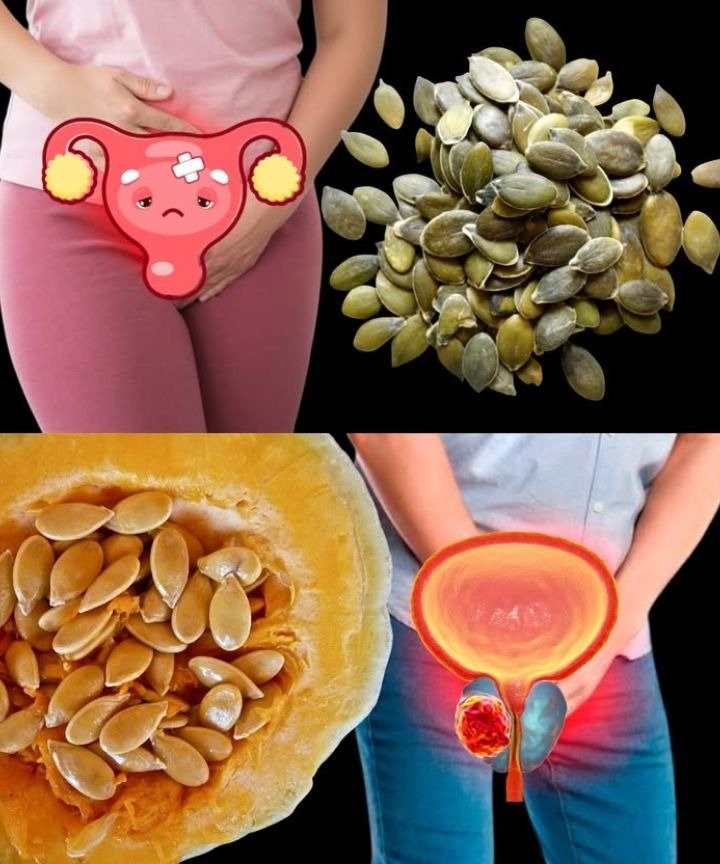
Pumpkin Seeds for Bladder and Prostate Health: Separating Myth from Reality
Pumpkin seeds are touted in traditional remedies for prostate and bladder health. Learn what science says, benefits, risks, and safe ways to include them in your diet.
You may have seen social media posts claiming:
“Pumpkin seeds will make your bladder and prostate look like new! Working grandfather’s recipe!”
It sounds like a miracle cure—but is it true? While pumpkin seeds do have nutritional benefits, no seed can “restore” organs to a youthful state.
This article explains what pumpkin seeds really do, the science behind traditional remedies, and how to safely include them in your diet to support overall urinary and prostate health.
Why Pumpkin Seeds Are Popular in Traditional Remedies
Pumpkin seeds (also called pepitas) have been used in folk medicine for centuries, especially in Eastern Europe, China, and North America.
Traditional Claims Include
-
Supporting bladder function
-
Reducing nighttime urination
-
Protecting prostate health
-
Boosting overall urinary health
These claims come from observational traditions and anecdotal stories rather than controlled clinical trials.
Nutritional Benefits of Pumpkin Seeds
Pumpkin seeds are nutrient-dense, which is why they are often considered “healthy for organs”:
| Nutrient | Amount (per 1 oz / 28g) | Potential Benefit |
|---|---|---|
| Zinc | 2.2 mg (20% DV) | Supports immune and prostate health |
| Magnesium | 150 mg (37% DV) | Supports muscle and nerve function |
| Omega-3 fatty acids | 1.7 g | Anti-inflammatory properties |
| Fiber | 1.7 g | Supports digestion and weight management |
| Antioxidants | Variable | Protects cells from oxidative stress |
Key point: These nutrients support general health, which indirectly benefits the bladder and prostate—but they do not reverse disease.
Scientific Evidence on Pumpkin Seeds and Prostate Health
Some studies suggest pumpkin seeds may help reduce urinary symptoms in men with benign prostatic hyperplasia (BPH):
-
Small clinical trials: Men taking pumpkin seed extract reported fewer nighttime trips to the bathroom.
-
Animal studies: Pumpkin seed oil showed anti-inflammatory effects in prostate tissue.
-
Zinc content: Zinc is important for prostate health; deficiency may worsen urinary issues.
Important: Most studies are small, short-term, and not conclusive. Pumpkin seeds are supportive, not curative.
Pumpkin Seeds and Bladder Health
Pumpkin seeds may offer mild benefits for bladder function:
-
May support urinary tract health via anti-inflammatory compounds
-
Can improve bladder emptying efficiency in minor cases
-
Serve as a healthy, fiber-rich snack, promoting weight control (obesity is a risk factor for urinary problems)
Again, there’s no scientific evidence that pumpkin seeds can “restore” a bladder to a youthful state.
How to Include Pumpkin Seeds Safely
If you want to enjoy the potential health benefits:
1. Raw or Roasted
-
Unsalted, raw seeds preserve nutrients
-
Roasted seeds are delicious but avoid excessive salt
2. Portion Control
-
1–2 ounces per day (approx. a handful) is safe for most adults
-
Excess calories may contribute to weight gain
3. As Part of a Balanced Diet
-
Pair with vegetables, whole grains, or smoothies
-
Complement with other prostate-friendly foods: tomatoes, green tea, fatty fish
4. Pumpkin Seed Oil
-
Some studies use concentrated pumpkin seed oil
-
Usually 1–2 teaspoons daily under medical guidance
Potential Side Effects
Pumpkin seeds are generally safe, but overconsumption may cause:
-
Mild digestive discomfort or bloating
-
Calorie overload if eaten in excess
-
Allergic reactions in rare cases
Those with kidney disease should monitor magnesium intake if consuming large amounts.
Common Myths vs Reality
| Myth | Reality |
|---|---|
| Pumpkin seeds can reverse prostate enlargement | They may support symptoms but do not shrink the prostate |
| One recipe will “restore your bladder” | No food can fully restore organ function |
| Homemade remedies are safer than medicine | They can support health but should not replace professional care |
| Eating seeds daily eliminates urinary problems | Lifestyle factors and medical management are more important |
Tips for Bladder and Prostate Health Beyond Pumpkin Seeds
-
Maintain a healthy weight
-
Exercise regularly
-
Limit alcohol and caffeine
-
Drink water evenly throughout the day
-
Include a nutrient-rich diet with zinc, magnesium, and healthy fats
-
Consult a doctor if urinary symptoms persist (frequent urination, pain, or blood in urine)
These lifestyle habits often have a bigger impact than any single food.
Frequently Asked Questions
Can pumpkin seeds cure BPH?
No. They may help mild urinary symptoms but do not cure prostate enlargement.
How many pumpkin seeds should I eat daily?
1–2 ounces is a safe amount for most adults.
Is pumpkin seed oil better than whole seeds?
It’s more concentrated and may help, but both provide beneficial nutrients.
Are there any serious risks?
Rare allergic reactions and digestive issues; mostly safe when eaten in moderation.
Can I rely only on pumpkin seeds for bladder health?
No. Diet, exercise, hydration, and medical care are essential.
Do seeds help prevent prostate cancer?
Evidence is limited; they may support general prostate health but are not preventive treatments.
Are there other foods similar to pumpkin seeds?
Yes—sunflower seeds, flaxseeds, and walnuts offer healthy fats, fiber, and antioxidants.
Conclusion
While pumpkin seeds are nutritious and may support bladder and prostate health, they are not a miracle cure. Claims that a grandfather’s recipe can “make your organs like new” are overblown and misleading.
The best approach for urinary and prostate health includes:
-
Balanced diet
-
Regular exercise
-
Hydration
-
Medical checkups
Pumpkin seeds can be a delicious, supportive addition to a healthy lifestyle, but real health comes from consistent habits, not magic recipes.
Call to Action
If you found this article helpful, share it with someone looking for safe, evidence-based tips for prostate and bladder health.