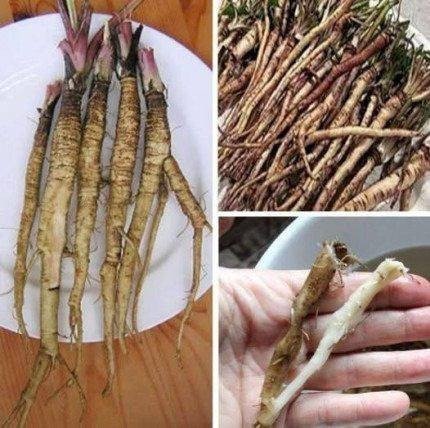
The Truth About “Cancer-Fighting Plants”: What Science Really Says
Introduction: Why People Look for Natural Cancer Cures
Headlines claiming that a plant can “destroy cancer in 48 hours” are everywhere online. These stories are enticing because cancer is serious and conventional treatments can feel harsh.
But it’s important to understand the truth: no plant, juice, or herb can replace modern cancer treatment.
That said, many plants contain compounds that support health, help the body manage inflammation, and may aid prevention or recovery alongside medical care.
Why “Miracle Plant” Claims Are Dangerous
Claims that a plant can:
-
Kill cancer cells overnight
-
Be 100 times more effective than chemotherapy
❌ Are scientifically unproven
❌ Can delay proper treatment
❌ May harm patients through toxicity or malnutrition
Cancer is a complex disease, and treatment must be individualized. Research into natural compounds is ongoing—but it is complementary, not curative.
Plants That Support Health and May Help Reduce Risk
While no plant is a cure, certain foods contain phytonutrients that protect cells and support the immune system:
| Plant / Food | Key Compound | Possible Benefit |
|---|---|---|
| Turmeric | Curcumin | Anti-inflammatory, antioxidant |
| Green tea | EGCG | Supports cell health |
| Berries | Anthocyanins | Antioxidants, DNA protection |
| Cruciferous vegetables (broccoli, cauliflower) | Sulforaphane | Supports detoxification |
| Garlic | Allicin | Immune support |
| Tomatoes | Lycopene | Protects cells from oxidative stress |
These compounds support overall wellness, but do not kill cancer cells on their own.
How Plant Compounds Are Studied
In laboratories, scientists sometimes observe that plant extracts can affect cancer cells in petri dishes. But:
-
Lab results don’t translate directly to humans
-
Doses in experiments are often unrealistic for normal consumption
-
“48-hour cures” only happen in controlled lab settings, not in living people
This is why headlines claiming instant cures are misleading.
Evidence-Based Ways to Reduce Cancer Risk Naturally
-
Eat a balanced, plant-rich diet
-
Maintain a healthy weight
-
Exercise regularly
-
Avoid smoking and limit alcohol
-
Get regular screenings
Nutrition can support recovery and quality of life, but it does not replace medical treatment.
Frequently Asked Questions
1. Can any plant cure cancer?
No. Some compounds support health, but there is no proven plant cure.
2. Are natural remedies safe to use with treatment?
Some can be helpful, but always consult your oncologist before combining supplements with chemotherapy or radiation.
3. Why do “miracle plant” stories spread so fast?
They offer hope and simplicity—but often misrepresent scientific research.
4. Is it safe to try fasting or juicing cures?
Extreme diets can be dangerous for cancer patients and are not recommended without medical supervision.
5. What’s the safest approach to “natural support”?
Focus on a balanced diet, hydration, exercise, and mental well-being alongside conventional treatment.
Conclusion: Hope Comes From Knowledge, Not Headlines
It’s natural to want a “miracle cure,” but the safest path is:
-
Evidence-based treatment (surgery, chemotherapy, radiation, targeted therapy)
-
Supportive nutrition and lifestyle
-
Trusted guidance from doctors
Miracle claims may sound appealing, but true hope comes from combining modern science with healthy lifestyle habits.
Remember: your best defense against misinformation is education, skepticism, and expert guidance.