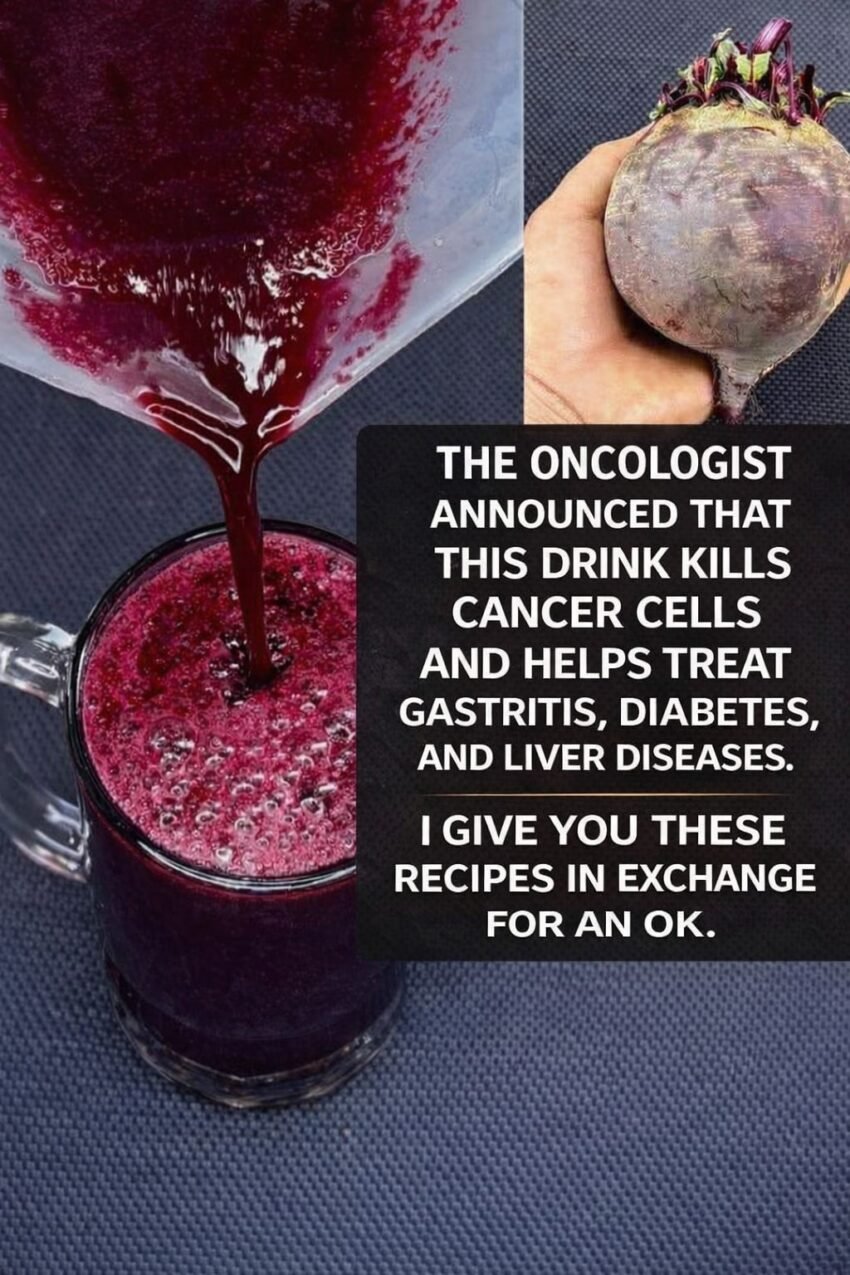
ALERT: Beetroot Juice and Cancer — What Science Really Shows (And What It Doesn’t)
Viral claims say beetroot juice kills cancer cells. Here’s what real science shows, what it doesn’t, and how to use beetroot safely and smartly.
Introduction
If you’ve spent even five minutes scrolling social media or watching wellness videos online, chances are you’ve seen the claim:
“Beetroot juice kills cancer cells in 42 days.”
It’s bold. It’s hopeful. And for anyone worried about cancer—either personally or for someone they love—it’s incredibly tempting to believe.
But here’s the reality most headlines don’t tell you:
Nutrition science is rarely that simple.
This article breaks down:
-
Where this claim came from
-
What scientific research actually says about beetroot and cancer
-
What beetroot juice may support—and what it absolutely cannot replace
-
How Americans can safely include beetroot juice in a healthy lifestyle
No scare tactics. No miracle cures. Just clear, trustworthy information you can actually use.
Understanding the Viral Claim About Beetroot Juice
Why These Headlines Spread So Fast
Cancer-related content spreads faster than almost anything online. That’s because it taps into:
-
Fear and uncertainty
-
Hope for simple, natural solutions
-
Distrust of complex medical systems
Short videos and blog posts often compress nuanced lab research into one dramatic sentence—removing context, limitations, and real-world applicability.
That’s how phrases like “kills cancer cells in 42 days” are born.
What Beetroot Juice Actually Contains
Before we talk about cancer, let’s look at what beetroot juice really offers.
Key Nutrients in Beetroot Juice
Beetroot (also called beets) is rich in:
-
Dietary nitrates (support blood flow)
-
Betalains (natural pigments with antioxidant properties)
-
Folate (important for cell function)
-
Vitamin C
-
Potassium
-
Fiber (in whole beets, less in juice)
These nutrients are why beetroot juice is popular among:
-
Athletes
-
People managing blood pressure
-
Those focused on heart health
Where Cancer Research Comes Into the Conversation
What Studies Actually Examine
Most beetroot-and-cancer research falls into three categories:
-
Cell (in vitro) studies
-
Animal studies
-
Observational nutrition research
These are not the same as human clinical trials.
Lab Studies vs. Real Life
In lab studies, researchers expose isolated cancer cells to concentrated compounds under controlled conditions.
Important difference:
-
Lab cells ≠ human bodies
-
Dosages used in labs ≠ what people drink
-
Effects observed ≠ guaranteed outcomes
This is where many viral claims lose credibility.
What Science Does Suggest About Beetroot Compounds
Antioxidant Activity
Beetroot contains betalains, compounds studied for their antioxidant behavior.
Antioxidants:
-
Help neutralize oxidative stress
-
Support overall cellular health
-
Play a role in general disease prevention
But antioxidants do not selectively destroy cancer cells inside the human body.
Anti-Inflammatory Properties
Chronic inflammation is linked to many diseases, including cancer risk.
Beetroot compounds may:
-
Support inflammation balance
-
Contribute to healthier internal environments
This is supportive, not curative.
Why “Killing Cancer Cells” Is a Misleading Phrase
Cancer Is Not One Disease
Cancer includes:
-
Over 100 different diseases
-
Different causes, mutations, and behaviors
-
Different treatments and outcomes
No single food or juice targets them all.
Treatment vs. Support
There is a critical difference between:
-
Supporting overall health
-
Treating or curing cancer
Beetroot juice fits only into the support category.
What Reputable Medical Organizations Say
Leading U.S. health institutions consistently state:
-
Diet can support overall health during cancer prevention or treatment
-
No food or juice cures cancer on its own
-
Nutrition works best alongside evidence-based medical care
This perspective protects patients from delaying or avoiding lifesaving treatment.
Potential Benefits of Beetroot Juice (When Used Correctly)
1. Cardiovascular Support
Beetroot juice may:
-
Improve blood flow
-
Support healthy blood pressure
-
Enhance exercise performance
This is one of its most researched benefits.
2. Energy and Endurance
Athletes and older adults often use beetroot juice to:
-
Improve stamina
-
Reduce fatigue
-
Support oxygen efficiency
3. General Wellness Support
As part of a balanced diet, beetroot can:
-
Add nutrient diversity
-
Support digestive health
-
Encourage vegetable intake
What Beetroot Juice Cannot Do
Let’s be clear.
Beetroot juice cannot:
-
Cure cancer
-
Replace chemotherapy, radiation, or surgery
-
Eliminate tumors
-
Guarantee prevention
Any claim suggesting otherwise should be treated with skepticism.
Common Mistakes People Make With Beetroot Juice
Mistake #1: Replacing Medical Treatment
Some people delay treatment after reading dramatic wellness claims. This can be dangerous.
Mistake #2: Excessive Consumption
Drinking large amounts daily may cause:
-
Digestive upset
-
Kidney stone risk (due to oxalates)
-
Blood pressure drops
Mistake #3: Ignoring Sugar Content
Juices—even vegetable ones—can be high in natural sugars when overused.
How to Use Beetroot Juice Safely and Smartly
Practical Guidelines
If you enjoy beetroot juice:
-
Keep servings moderate (4–8 oz)
-
Pair it with meals
-
Rotate with whole vegetables
-
Choose unsweetened options
Whole Beets vs. Juice
Whole beets offer:
-
More fiber
-
Slower sugar absorption
-
Greater digestive benefits
Juice is best viewed as a supplement—not a staple.
Real-Life Use Case: A Balanced Approach
Imagine a U.S. adult focused on long-term health:
They:
-
Follow medical advice
-
Eat a vegetable-rich diet
-
Use beetroot juice occasionally
-
Exercise regularly
-
Avoid miracle-cure thinking
This approach supports wellness without unrealistic expectations.
Pros and Cons of Beetroot Juice
Pros
-
Nutrient-dense
-
Supports heart health
-
Convenient vegetable option
Cons
-
Not a treatment
-
Can be overused
-
Often misunderstood due to viral claims
Current Trends and Future Research
Researchers continue studying:
-
Plant compounds and cellular health
-
Diet patterns and cancer prevention
-
How lifestyle factors work together
Future research may clarify supportive roles—but dramatic cure claims remain unsupported.
Frequently Asked Questions (People Also Ask)
Can beetroot juice cure cancer?
No. There is no scientific evidence that it cures cancer.
Where did the 42-day claim come from?
Likely from misinterpreted lab studies shared without context.
Is beetroot juice safe during cancer treatment?
Often yes, but patients should always consult their healthcare team.
Does beetroot juice prevent cancer?
No food guarantees prevention, though healthy diets support overall risk reduction.
Are antioxidants enough to fight cancer?
Antioxidants support health but are not treatments.
Can I drink beetroot juice daily?
Moderation is key. Daily use should be discussed with a doctor if you have conditions.
Are supplements better than juice?
Whole foods are generally preferred unless advised otherwise.
Is beetroot juice good for everyone?
Not always—people with kidney issues or low blood pressure should be cautious.
Final Thoughts: Hope, Health, and Honest Information
Beetroot juice is not a miracle cure—but it can be part of a healthy, balanced lifestyle when used wisely.
The most powerful takeaway?
Real health progress comes from evidence-based care, informed choices, and long-term habits, not viral headlines.
Call to Action
If this article helped clarify the facts:
-
Share it with someone who’s seen the claim
-
Leave a comment with your thoughts or questions
-
Explore more science-backed wellness topics to stay informed
Your health deserves truth—not hype.