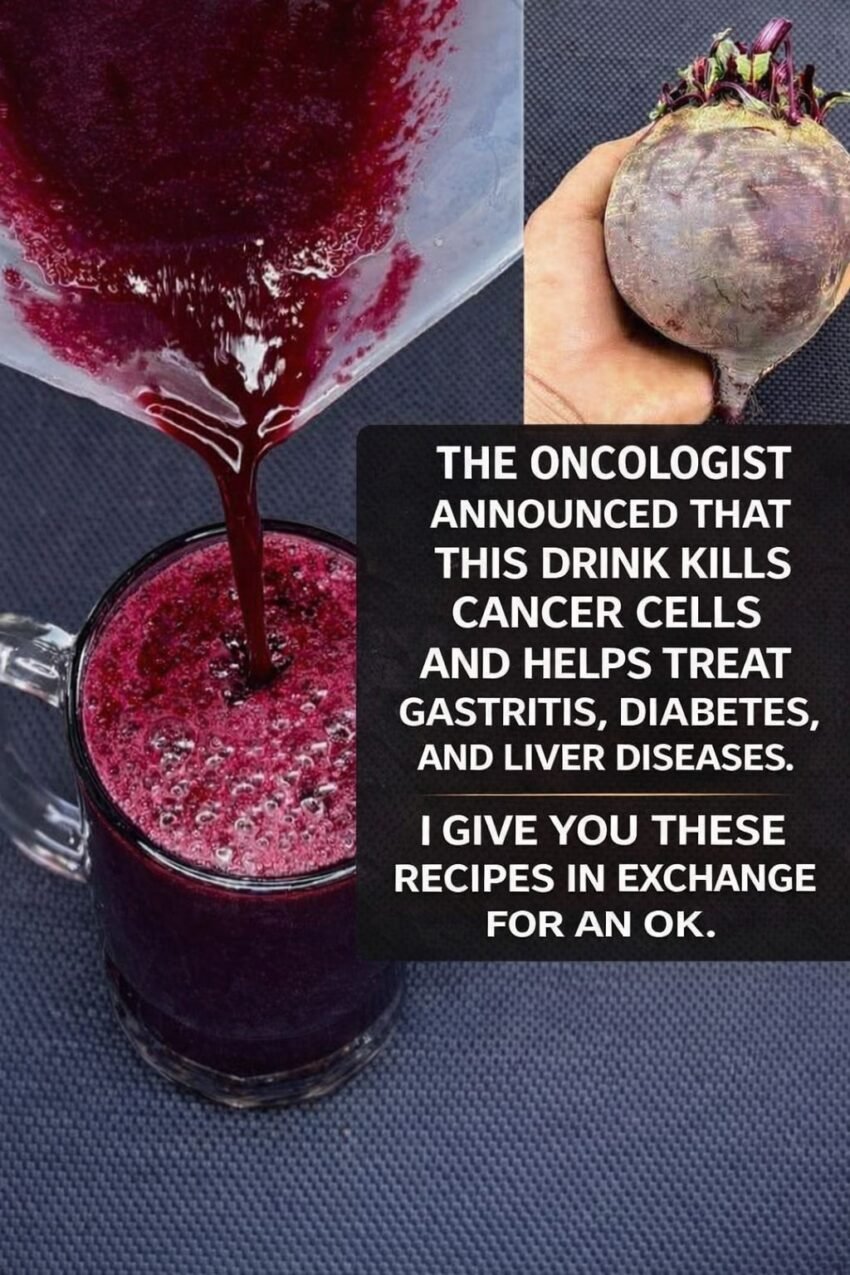
Beetroot Juice and Cancer: What Science Actually Says (No Hype, Just Facts)
If you’ve seen headlines claiming that beetroot juice kills cancer cells in 42 days, you’re not alone. Statements like this spread fast because they tap into hope, fear, and the desire for simple solutions to complex diseases.
But here’s the reality: no juice, food, or single ingredient has been proven to cure or kill cancer in humans. That doesn’t mean beetroot juice is useless—it just means the truth is more nuanced than viral headlines suggest.
This article breaks down what beetroot juice can do, what science has actually studied, and where claims cross the line into misinformation.
Why Beetroot Juice Gets Attention in Cancer Research
Beetroot (Beta vulgaris) is rich in bioactive compounds that have caught researchers’ interest for years, including:
-
Betalains (natural pigments with antioxidant properties)
-
Nitrates (linked to improved blood flow)
-
Polyphenols (plant compounds studied for anti-inflammatory effects)
-
Vitamin C and folate
Because oxidative stress and chronic inflammation are involved in many diseases—including cancer—scientists often study foods like beetroot in laboratory settings to understand how these compounds behave at a cellular level.
What the Research Actually Shows
1. Lab Studies vs. Human Reality
Some in vitro (test-tube) studies have shown that beetroot extracts can:
-
Slow the growth of certain cancer cells in a lab environment
-
Trigger apoptosis (programmed cell death) in isolated cancer cells
-
Reduce oxidative stress in controlled conditions
These findings are preliminary, meaning:
-
They are done on cells, not people
-
Concentrations used are far higher than what humans get from drinking juice
-
Results do not translate directly to treatment outcomes
This is a crucial distinction often missing from viral claims.
2. No Clinical Evidence of “Killing Cancer in 42 Days”
There is no peer-reviewed human clinical trial showing that beetroot juice:
-
Cures cancer
-
Eliminates tumors
-
Works within a specific timeframe (like 42 days)
Claims with exact timelines are a major red flag in health misinformation.
Cancer treatment outcomes depend on:
-
Cancer type and stage
-
Genetics
-
Medical treatment plans
-
Overall health and lifestyle
Reducing this complexity to a juice cleanse is not just inaccurate—it’s dangerous.
What Beetroot Juice May Help With (Supported Benefits)
While beetroot juice is not a cancer treatment, it may support general health in ways that matter during recovery or prevention-focused lifestyles.
Potential Benefits Backed by Research
-
Improved cardiovascular health through nitric oxide production
-
Reduced inflammation markers in some populations
-
Support for exercise endurance, especially in cancer survivors rebuilding strength
-
Antioxidant intake, which supports overall cellular health
Doctors and dietitians sometimes recommend beetroot juice as part of a balanced diet, not as a standalone solution.
Why “Natural Cure” Headlines Are So Misleading
Psychological Impact
People facing serious illnesses are especially vulnerable to:
-
False hope
-
Miracle cures
-
Simplified answers
This is why ethical health content avoids words like:
-
“Kills”
-
“Cures”
-
“Guaranteed”
-
“Doctors hate this”
Medical Risk
Relying on unproven remedies can:
-
Delay proper diagnosis
-
Interfere with treatments
-
Create false confidence
Reputable health organizations consistently warn against replacing medical care with dietary claims.
Can Beetroot Juice Be Part of a Cancer-Conscious Diet?
Yes—as a supportive food, not a treatment.
Safe, Practical Use
-
Drink in moderation (high nitrates may not suit everyone)
-
Pair with whole foods: vegetables, lean protein, healthy fats
-
Discuss with a healthcare provider if undergoing treatment
Who Should Be Careful
-
People with kidney stones (high oxalates)
-
Those on blood pressure medication
-
Anyone undergoing chemotherapy without medical guidance
Common Myths About Beetroot Juice and Cancer
Myth: It kills cancer cells
Fact: Only lab studies show limited cellular effects
Myth: Drinking it daily prevents cancer
Fact: No food can guarantee prevention
Myth: Natural means risk-free
Fact: Natural substances still affect the body and can interact with medication
Why Science Studies Foods Like Beetroot at All
Research into foods isn’t about finding magic cures—it’s about:
-
Understanding supportive nutrition
-
Identifying compounds worth studying further
-
Improving quality of life and prevention strategies
Many cancer treatments today came from decades of research, not overnight discoveries.
Final Verdict: Hope Needs Honesty
Beetroot juice is nutritious.
It contains compounds worth studying.
It can support overall health.
But it does not kill cancer cells in 42 days—or any fixed timeframe.
Trustworthy health information doesn’t rely on shock headlines. It respects science, context, and human lives.
If you see claims that sound too good to be true, they usually are.
Want More Evidence-Based Health Content?
If you value clear, honest explanations without fear-mongering or fake cures, share this article and explore more science-backed wellness topics. Staying informed is one of the most powerful health decisions you can make.