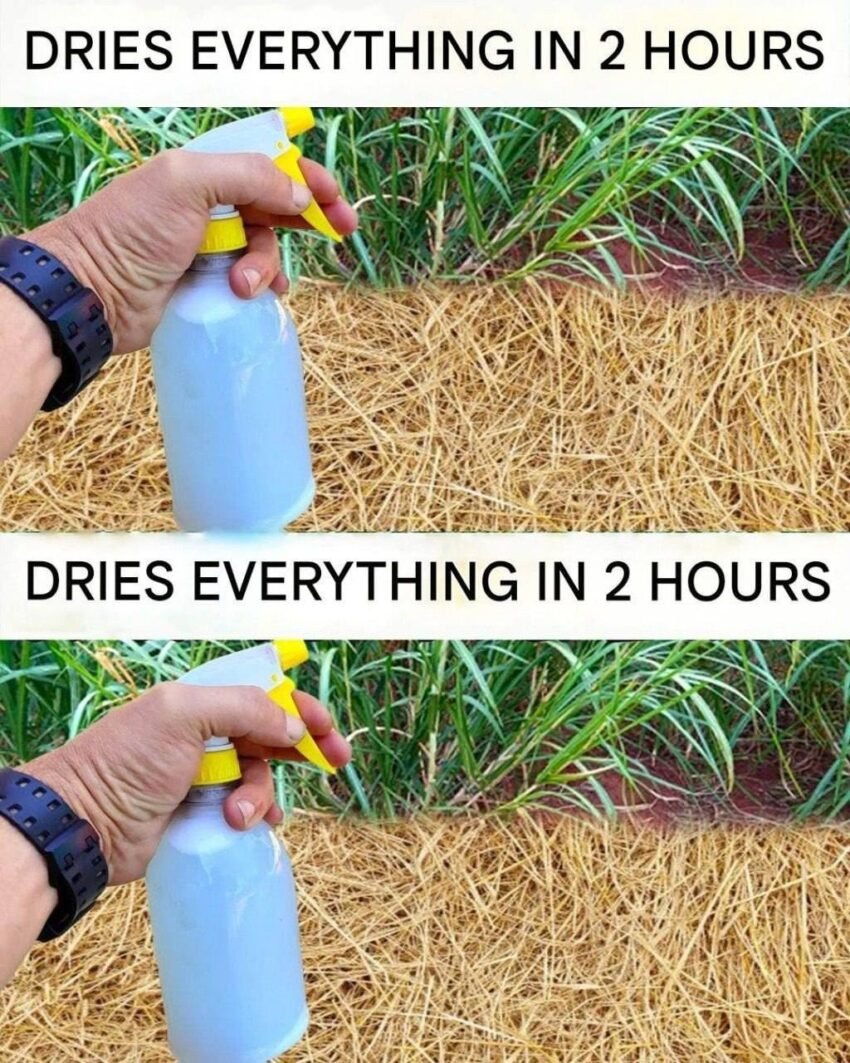
Best Homemade Herbicide: Non-Toxic Solution That Dries Weeds Fast
If you’re tired of chemical weed killers and want a safe, affordable, and eco-friendly alternative, a homemade herbicide may be the perfect solution. Many store-bought herbicides contain harsh chemicals that can harm pets, children, soil health, and beneficial insects.
The good news? You can make a non-toxic homemade weed killer using simple household ingredients that can dry out weeds within a few hours under the right conditions.
Why Choose a Homemade Herbicide?
Homemade herbicides are popular because they are:
-
✅ Non-toxic when used correctly
-
✅ Safe for pets and kids (after drying)
-
✅ Environmentally friendly
-
✅ Affordable and easy to make
-
✅ Free from synthetic chemicals
This solution works best on young, small weeds and is ideal for driveways, sidewalks, patios, and garden borders.
Best Homemade Herbicide Recipe (Simple & Effective)
Ingredients:
-
1 gallon white vinegar (5% acetic acid)
-
1 cup table salt (sodium chloride)
-
1 tablespoon liquid dish soap (natural or biodegradable preferred)
Why These Ingredients Work:
-
Vinegar dries out weeds by breaking down plant cell membranes
-
Salt dehydrates plants and prevents regrowth
-
Dish soap helps the solution stick to weed leaves
How to Make the Herbicide
-
Pour the vinegar into a large container or garden sprayer
-
Add the salt and stir until completely dissolved
-
Mix in the dish soap gently
-
Transfer to a spray bottle or garden sprayer
Your homemade weed killer is ready to use.
How to Use It for Best Results
To get fast results, timing and application matter.
Application Tips:
-
Spray directly on weed leaves, not soil
-
Apply on a hot, sunny day (above 75°F / 24°C works best)
-
Avoid spraying before rain
-
Do not overspray nearby plants
⏱️ Results:
Many weeds begin to wilt and dry within 1–3 hours in direct sunlight. Full browning may occur within 24 hours depending on weed type.
Where This Herbicide Works Best
✔ Sidewalk cracks
✔ Driveways
✔ Patios
✔ Gravel paths
✔ Fence lines
⚠️ Avoid using in garden beds or lawns, as this solution is non-selective and will kill or damage any plant it touches.
Is This Homemade Herbicide Safe?
When used properly:
-
It is safer than chemical herbicides
-
It poses minimal risk to pets and people after drying
-
It does not release toxic fumes
However:
-
Excess salt can harm soil health
-
Repeated use in the same area may prevent future plant growth
Use sparingly and only where plant growth is unwanted.
Common Mistakes to Avoid
❌ Spraying on windy days
❌ Using it near desired plants
❌ Applying too much salt to soil
❌ Expecting it to kill deep-rooted weeds permanently
Deep-rooted weeds may require repeat applications.
Natural Alternatives You Can Try
If you want even gentler options:
-
Boiling water (instant weed kill)
-
Mulching to block sunlight
-
Manual removal for deep roots
Each method has its place depending on the area.
Final Thoughts
This best homemade herbicide is a powerful, non-toxic solution for managing weeds without harmful chemicals. While it’s not a miracle cure for every weed, it’s an excellent option for quick, visible results in non-plant areas.
Used responsibly, it’s an effective, eco-conscious alternative to commercial weed killers.
Frequently Asked Questions (FAQs)
Does vinegar kill weeds permanently?
It kills the top growth but may not kill deep roots. Repeat applications may be needed.
Is this safe for pets?
Yes, once the spray has dried. Keep pets away during application.
Can I use stronger vinegar?
Higher-strength vinegar works faster but can irritate skin and eyes. Household vinegar is safer.