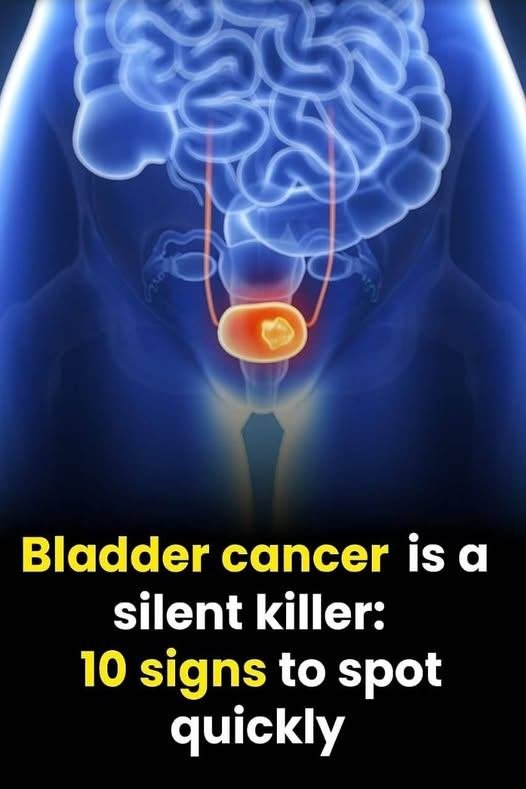
Bladder Cancer Is a Silent Killer: 10 Signs to Spot Early
Bladder cancer often develops silently. Learn the 10 early warning signs, risk factors, diagnosis, and prevention tips to protect your health.
Introduction: Why Bladder Cancer Is Called a “Silent Killer”
Bladder cancer is often referred to as a silent killer because its early symptoms are easy to ignore, painless, or mistaken for common urinary problems. Many people delay seeing a doctor, assuming the signs are harmless. Unfortunately, this delay can allow the disease to progress to more advanced and dangerous stages.
As someone who has studied health-related content extensively and relies on trusted medical knowledge, I want to emphasize one critical point early on:
👉 Bladder cancer is highly treatable when detected early.
This comprehensive guide will help you understand bladder cancer in depth, recognize 10 early warning signs, learn who is at risk, and know when to seek medical attention. The goal is awareness—because awareness saves lives.
What Is Bladder Cancer?
Bladder cancer occurs when abnormal cells grow uncontrollably in the bladder, the organ responsible for storing urine. Most bladder cancers begin in the urothelial cells, which line the inside of the bladder.
Key Facts About Bladder Cancer
-
It is one of the most common cancers affecting the urinary system
-
Men are more commonly affected than women
-
Early-stage bladder cancer has a high survival rate
-
Recurrence is common, requiring long-term monitoring
Why Early Detection Matters So Much
Bladder cancer does not always cause pain in its early stages. Symptoms may come and go, giving a false sense of security. However:
-
Early-stage bladder cancer has a much better prognosis
-
Advanced bladder cancer can spread to muscles and other organs
-
Treatment becomes more aggressive and life-altering in later stages
Recognizing early signs can mean the difference between simple treatment and complex surgery or chemotherapy.
10 Early Warning Signs of Bladder Cancer You Should Never Ignore
1. Blood in the Urine (Hematuria)
This is the most common and earliest sign of bladder cancer.
-
Urine may appear pink, red, or cola-colored
-
Blood may come and go
-
It is often painless
Even one episode of blood in urine should be medically evaluated.
2. Frequent Urination
If you suddenly feel the need to urinate more often than usual—without increasing fluid intake—it could be a warning sign.
-
Often mistaken for a urinary tract infection (UTI)
-
May occur day and night
3. Pain or Burning During Urination
While commonly associated with infections, persistent pain or burning can also indicate bladder irritation caused by cancer.
-
Especially concerning if antibiotics don’t help
-
Should not be ignored if recurring
4. Urgent Need to Urinate
Feeling a strong, sudden urge to urinate even when the bladder isn’t full can be a subtle but important symptom.
-
May occur without pain
-
Can disrupt daily activities
5. Difficulty Urinating
Bladder cancer can interfere with normal urine flow.
-
Weak urine stream
-
Trouble starting or stopping urination
-
Feeling that the bladder doesn’t fully empty
6. Lower Back Pain (One-Sided)
Pain in the lower back, especially on one side, can be a sign that cancer has begun affecting surrounding tissues.
-
Often dull and persistent
-
Not related to physical strain
7. Pelvic Pain or Pressure
As the tumor grows, it may cause discomfort or pressure in the pelvic area.
-
More common in later early stages
-
Often ignored or misattributed
8. Recurrent Urinary Tract Infections
Frequent UTIs that don’t fully resolve with treatment can sometimes mask underlying bladder cancer.
-
Symptoms may temporarily improve
-
Keep returning after treatment
9. Unexplained Weight Loss
Sudden weight loss without changes in diet or exercise can be a red flag for many cancers, including bladder cancer.
-
Often accompanied by fatigue
-
Indicates systemic effects
10. Persistent Fatigue or Weakness
Chronic fatigue that doesn’t improve with rest may signal that the body is fighting a serious illness.
-
Often overlooked
-
Can occur even in early cancer stages
Who Is Most at Risk of Bladder Cancer?
Understanding risk factors helps with early vigilance.
Major Risk Factors
-
Smoking (biggest risk factor)
-
Long-term exposure to industrial chemicals
-
Age over 55
-
Chronic bladder inflammation
-
Family history of bladder cancer
Lifestyle Factors
-
Poor hydration
-
Occupational chemical exposure
-
Lack of regular medical checkups
How Bladder Cancer Is Diagnosed
Doctors use several methods to confirm bladder cancer:
Common Diagnostic Tests
-
Urinalysis
-
Cystoscopy (camera inserted into bladder)
-
Imaging tests (CT scan, ultrasound)
-
Biopsy
Early testing is usually straightforward and minimally invasive.
Treatment Options Based on Stage
Treatment depends on how early the cancer is detected.
Early-Stage Treatments
-
Tumor removal via cystoscopy
-
Intravesical therapy (medication placed directly in bladder)
Advanced Treatments
-
Surgery to remove part or all of the bladder
-
Chemotherapy
-
Radiation therapy
-
Immunotherapy
Early detection often avoids aggressive treatments.
Common Myths About Bladder Cancer
“Blood in urine is always an infection”
❌ False. It must always be checked.
“Bladder cancer only affects smokers”
❌ False. Non-smokers can also develop it.
“No pain means no cancer”
❌ False. Early bladder cancer is often painless.
Prevention: Can Bladder Cancer Be Avoided?
While not all cases are preventable, risk can be reduced.
Practical Prevention Tips
-
Quit smoking
-
Drink plenty of water
-
Use protective equipment if working with chemicals
-
Treat bladder infections promptly
-
Get regular health checkups
Latest Advances and Future Outlook
Medical research is continuously improving bladder cancer outcomes.
Emerging Trends
-
Improved immunotherapy drugs
-
Targeted therapies with fewer side effects
-
Better screening methods for high-risk individuals
Survival rates continue to improve with advancements in early detection and treatment.
Frequently Asked Questions (FAQs)
1. Is bladder cancer curable?
Yes, especially when detected early.
2. Is blood in urine always serious?
It should always be medically evaluated.
3. How fast does bladder cancer progress?
It varies, but some types can grow aggressively.
4. Can young people get bladder cancer?
Yes, though it is less common.
5. Is bladder cancer painful?
Often painless in early stages.
6. How common is recurrence?
Recurrence is common, requiring regular follow-up.
7. Are women at risk too?
Yes, though symptoms are often misdiagnosed.
8. Does drinking water help?
Proper hydration supports bladder health.
9. Can diet prevent bladder cancer?
A healthy diet supports overall cancer prevention.
10. When should I see a doctor?
Immediately if you notice blood in urine or persistent urinary changes.
Final Thoughts: Listen to Your Body
Bladder cancer doesn’t always shout—it whispers. The early signs are subtle, painless, and easy to dismiss. But paying attention to these warning signals can save your life or the life of someone you love.
Early action leads to early cure.
If this article increased your awareness:
-
✅ Share it with family and friends
-
✅ Encourage loved ones to take urinary symptoms seriously
-
✅ Stay informed and proactive about your health
Your awareness today could save a life tomorrow.