Breast Cancer: 4 Early Signs Every Woman Should Know
Learn the 4 early signs of breast cancer that every woman should know. Early detection can save lives—recognize the symptoms and take action promptly.
Introduction
Breast cancer is one of the most common cancers among women worldwide. The good news is that early detection significantly increases survival rates.
Recognizing subtle changes in your breasts can save your life or the life of someone you love. Here are 4 early signs of breast cancer that every woman should be aware of.
1. Lumps or Thickened Tissue
-
What to look for: A new lump, bump, or thickened area in the breast or underarm.
-
Why it matters: Most lumps are benign, but some can indicate early breast cancer.
-
Tip: Perform monthly self-exams and consult a doctor if you notice any new, unusual, or persistent lumps.
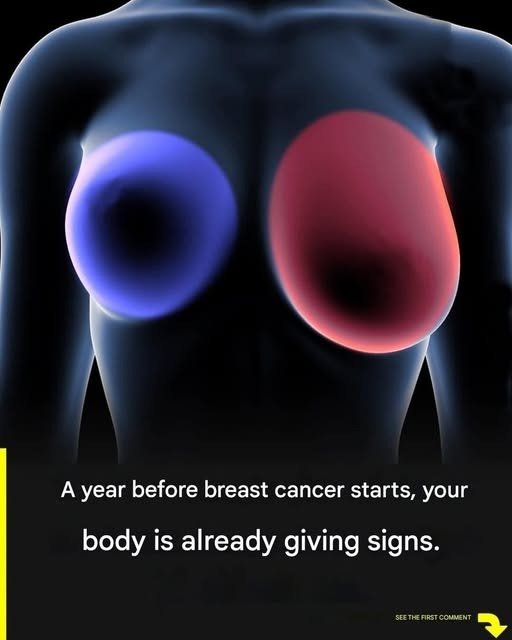
2. Changes in Breast Shape or Size
-
What to look for: Swelling, shrinking, or changes in contour or symmetry.
-
Why it matters: A change in one breast compared to the other could signal underlying issues, including cancer.
-
Tip: Regularly check your breasts in front of a mirror for subtle changes.
3. Skin Changes on the Breast
-
What to look for: Redness, dimpling, puckering, or thickened skin resembling an orange peel.
-
Why it matters: Skin changes can indicate inflammatory breast cancer, a rare but aggressive type.
-
Tip: Any persistent skin change warrants a visit to a healthcare professional.
4. Nipple Changes
-
What to look for: Nipple inversion (suddenly turning inward), discharge (especially blood-tinged), or pain.
-
Why it matters: Nipple changes can be early warning signs of tumors located behind the nipple.
-
Tip: Don’t ignore unexplained nipple changes—consult a doctor promptly.
Additional Warning Signs
-
Unexplained pain in the breast or armpit
-
Swelling of the lymph nodes in the armpit or collarbone area
-
Persistent redness, itching, or rash on the breast or nipple
How to Protect Yourself
-
Regular Self-Exams: Perform monthly checks starting in your 20s.
-
Clinical Exams: See a healthcare professional every 1–3 years in your 20s–30s, then annually after 40.
-
Mammograms: Follow recommended screening guidelines—usually every 1–2 years after 40.
-
Healthy Lifestyle: Maintain a balanced diet, exercise regularly, limit alcohol, and avoid smoking.
-
Know Your Family History: Genetic factors like BRCA1 or BRCA2 mutations increase risk.
Frequently Asked Questions (FAQs)
Q1: Are all breast lumps cancerous?
-
No, most breast lumps are benign, such as cysts or fibroadenomas. But any new lump should be checked.
Q2: Can men get breast cancer?
-
Yes, although rare, men can develop breast cancer, often presenting with lumps or nipple changes.
Q3: How early can breast cancer be detected?
-
With regular screening and self-exams, it can be detected before symptoms appear, improving treatment outcomes.
Q4: What lifestyle factors reduce risk?
-
Maintaining a healthy weight, exercising, limiting alcohol, avoiding smoking, and breastfeeding can lower risk.
Final Thoughts
Early detection of breast cancer can dramatically increase survival rates. By knowing the 4 key warning signs—lumps, changes in shape, skin changes, and nipple changes—women can take proactive steps toward diagnosis and treatment.
Regular self-exams, professional screenings, and awareness of family history are essential tools for protecting your health. Don’t wait—early action saves lives.