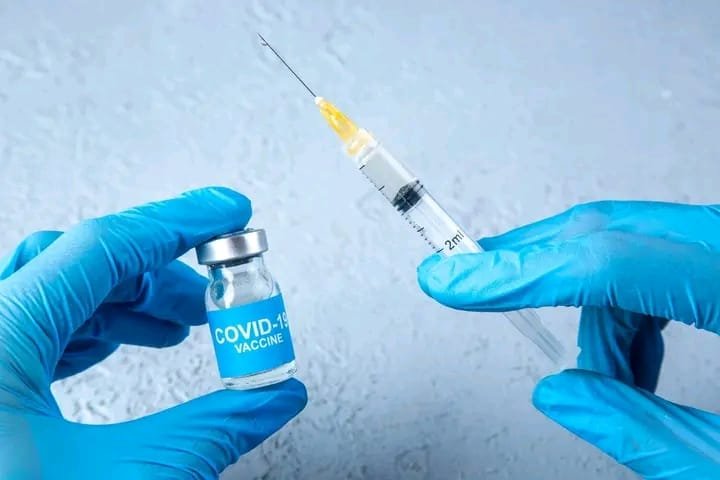
COVID-19: Global Alert for Those Vaccinated — What Will Actually Happen to You
Since the COVID-19 pandemic began, millions of people around the world have been vaccinated to protect themselves and others. Along with vaccination campaigns came an overwhelming amount of information—some accurate, some misleading, and some designed to create fear.
Headlines like “Global Alert for Those Vaccinated” can sound alarming. But what do they really mean? Is there something vaccinated people should be worried about?
This article explains, clearly and truthfully, what vaccinated individuals can expect, what global health authorities are actually monitoring, and what is myth versus medical reality.
Why the Term “Global Alert” Causes Confusion
A “global alert” does not mean danger to vaccinated people.
In public health, global alerts usually refer to:
-
Ongoing monitoring of virus variants
-
Tracking vaccine effectiveness over time
-
Observing rare side effects
-
Updating booster recommendations
Organizations like the World Health Organization (WHO) and Centers for Disease Control and Prevention (CDC) continuously monitor vaccines as part of normal safety protocols—not because vaccines are failing, but because long-term safety tracking is standard for all vaccines.
What COVID-19 Vaccines Were Designed to Do
COVID-19 vaccines were developed to:
-
Reduce the risk of severe illness
-
Lower hospitalization rates
-
Prevent death
-
Support immune system memory
They were never promised to completely stop infection forever. Instead, their primary purpose is protection against serious outcomes—and they have largely succeeded in that goal.
What Happens to Your Body After Vaccination?
1. Short-Term Effects (Normal and Expected)
Most people experience mild, temporary reactions such as:
-
Sore arm
-
Fatigue
-
Headache
-
Mild fever
-
Body aches
These are signs that your immune system is responding. They usually resolve within a few days.
2. Immune System Response Over Time
After vaccination:
-
Your body develops immune memory
-
Antibodies may decrease over time (this is normal)
-
Protection against severe disease remains strong
This is why boosters may be recommended—not because the vaccine is dangerous, but because immunity naturally changes.
3. Breakthrough Infections
Yes, vaccinated people can still get COVID-19.
However:
-
Symptoms are usually milder
-
Risk of hospitalization is significantly lower
-
Recovery is often faster
This does not mean the vaccine failed—it means it did its job by preventing severe illness.
Are There Long-Term Effects for Vaccinated People?
This is one of the most common concerns.
What the Evidence Shows:
-
Serious long-term side effects are extremely rare
-
Most vaccine side effects occur within the first weeks
-
Ongoing studies have not shown widespread long-term harm
Global health agencies continue monitoring data from billions of doses administered worldwide.
Why Health Authorities Continue Monitoring Vaccinated Populations
Ongoing monitoring exists to:
-
Detect very rare adverse events
-
Adjust recommendations for age groups
-
Respond to new variants
-
Improve future vaccine development
This process is normal, transparent, and part of responsible medical science.
Common Myths vs Reality
Myth: “Vaccinated people are in danger”
Reality: Vaccinated people are statistically safer from severe COVID-19 outcomes.
Myth: “Vaccines weaken the immune system”
Reality: Vaccines train the immune system; they do not weaken it.
Myth: “A global alert means something bad will happen”
Reality: It means health systems are doing their job—monitoring and updating guidance.
Who Should Be Extra Cautious?
Some vaccinated individuals may need extra protection:
-
Older adults
-
People with weakened immune systems
-
Those with chronic illnesses
For these groups, doctors may recommend boosters or additional precautions.
What You Should Do If You Are Vaccinated
Practical, Smart Steps:
-
Stay updated with official health guidance
-
Get boosters if recommended by your doctor
-
Maintain general health (sleep, nutrition, exercise)
-
Avoid panic-driven information sources
-
Consult healthcare professionals for personal concerns
Frequently Asked Questions
Is there a global emergency for vaccinated people?
No. There is ongoing monitoring, not an emergency.
Can vaccinated people live normally?
Yes. Most people return to normal activities safely.
Do vaccines stop working?
Protection against infection may decrease, but protection against severe illness remains strong.
Are boosters a sign vaccines failed?
No. Boosters are common for many vaccines.
Should vaccinated people be worried?
Concern should be replaced with informed awareness, not fear.
Can vaccinated people still spread COVID-19?
Yes, but usually for a shorter duration.
Are new variants dangerous to vaccinated people?
Vaccines still provide strong protection against severe disease.
Should I trust official health organizations?
Yes. They rely on large-scale data and peer-reviewed science.
Final Thoughts
The phrase “Global Alert for Those Vaccinated” can sound frightening, but it does not mean something bad is going to happen to you.
What it really means is this:
-
Scientists are doing their job
-
Data is being monitored continuously
-
Public health recommendations evolve with evidence
Vaccination remains one of the most effective tools in reducing severe COVID-19 outcomes. Staying informed, calm, and guided by credible sources is the healthiest response.
Takeaway
If you are vaccinated, there is no need for panic. Awareness is important—but fear is not facts.
If this article helped clarify your concerns, share it with others who may be feeling confused or anxious. Accurate information protects more than just health—it protects peace of mind.