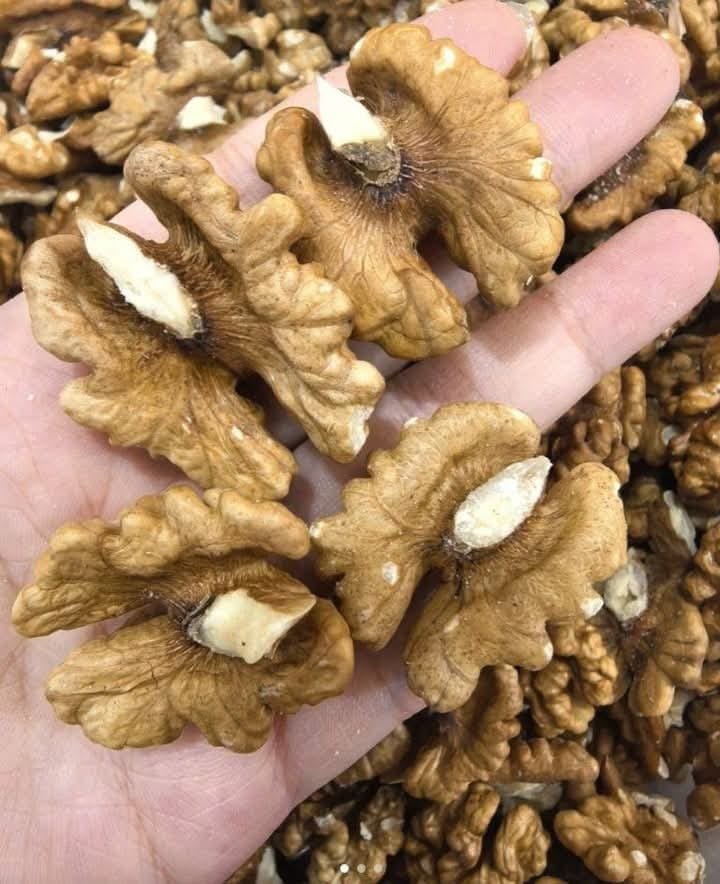
Doctors Reveal What Happens When You Eat Walnuts Daily
Walnuts have long been celebrated as a superfood, packed with nutrients that support brain, heart, and overall health. But what exactly happens when you incorporate walnuts into your daily diet? Doctors and nutrition experts reveal the benefits—and a few precautions—you need to know.
Why Walnuts Are a Nutritional Powerhouse
Walnuts are rich in:
-
Omega-3 fatty acids – support heart and brain health
-
Antioxidants – help fight oxidative stress and inflammation
-
Fiber – promotes digestion and satiety
-
Protein – supports muscle and tissue repair
-
Vitamins and minerals – magnesium, vitamin E, copper, and folate
Fun fact: Walnuts are the only nut that contain significant amounts of alpha-linolenic acid (ALA), a plant-based omega-3 fatty acid essential for brain function.
7 Surprising Benefits of Eating Walnuts
1. Supports Heart Health
-
Walnuts help lower bad LDL cholesterol and increase good HDL cholesterol
-
Reduce inflammation in blood vessels, improving circulation
2. Boosts Brain Function
-
Omega-3s and antioxidants in walnuts support memory, focus, and cognitive health
-
Some studies suggest regular walnut consumption may reduce age-related cognitive decline
3. Helps Manage Weight
-
Despite being calorie-dense, walnuts increase satiety
-
Eating a handful daily may reduce cravings and help with portion control
4. Improves Gut Health
-
The fiber in walnuts acts as a prebiotic, feeding healthy gut bacteria
-
Supports digestion and nutrient absorption
5. Regulates Blood Sugar
-
Walnuts can stabilize blood sugar levels, making them beneficial for people with prediabetes or type 2 diabetes
6. Strengthens Bones
-
Rich in magnesium and phosphorus, walnuts support bone density and strength
7. Reduces Inflammation
-
Polyphenols and omega-3s combat chronic inflammation, which is linked to many diseases
How to Incorporate Walnuts Into Your Diet
-
Snack on a small handful (about 1 ounce / 28 grams) daily
-
Add to oatmeal, yogurt, salads, or smoothies
-
Use walnut butter as a healthy spread instead of sugary alternatives
-
Chop walnuts into homemade baked goods for added crunch and nutrition
Tip: Store walnuts in a cool, dark place or the refrigerator to prevent them from going rancid.
Precautions and Considerations
-
Calories matter: While healthy, walnuts are calorie-dense, so moderate portions are key
-
Allergies: People with nut allergies should avoid walnuts
-
Medication interactions: Walnuts may interact with blood thinners due to their vitamin K content—check with your doctor if needed
Final Thoughts
Eating walnuts daily is a simple, natural way to support heart, brain, and overall health. With proper portion control, they can be a delicious addition to your diet, improving cognition, digestion, and cardiovascular function while reducing inflammation.
💬 Share Your Experience
Do you eat walnuts regularly?
Comment below and tell us how adding walnuts to your diet has affected your health—your story might inspire someone to start this healthy habit today!