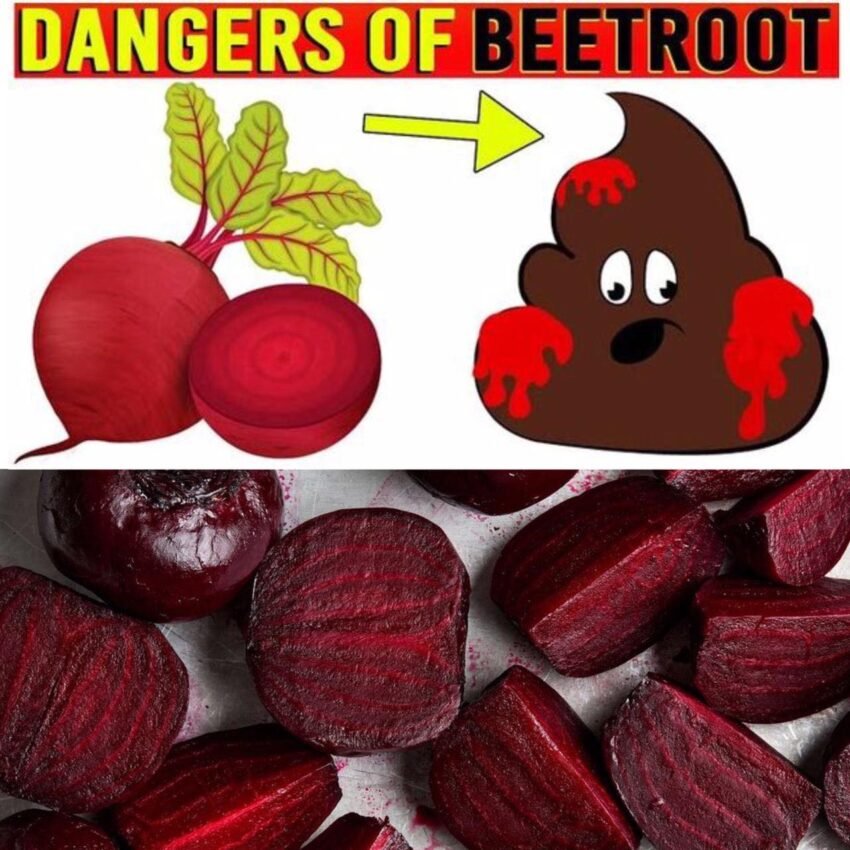
Exploring the Benefits and Considerations of Beetroot
Beetroot, also known simply as beet, is a vibrant root vegetable packed with nutrients and health-promoting compounds. From boosting heart health to enhancing athletic performance, this humble vegetable has gained recognition as a superfood. However, like any food, it comes with considerations to keep in mind.
Nutritional Profile of Beetroot
Beetroot is low in calories but rich in vitamins, minerals, and bioactive compounds, including:
-
Folate (Vitamin B9): Supports cell growth and function
-
Manganese: Essential for bone health and metabolism
-
Potassium: Helps regulate blood pressure
-
Iron: Supports red blood cell production
-
Nitrates: Convert into nitric oxide in the body, improving blood flow
-
Antioxidants: Including betalains, which give beets their deep red color
Top Benefits of Beetroot
1. Supports Heart Health
The nitrates in beetroot help relax blood vessels, improving circulation and reducing blood pressure. Regular beet consumption may:
-
Lower risk of hypertension
-
Improve cardiovascular efficiency
-
Support overall heart health
2. Boosts Athletic Performance
Beetroot juice is popular among athletes because it can:
-
Enhance stamina and endurance
-
Improve oxygen utilization during exercise
-
Reduce fatigue by improving muscle efficiency
3. Anti-Inflammatory and Antioxidant Effects
Beetroot contains betalains, pigments with anti-inflammatory and antioxidant properties, which may help:
-
Protect cells from oxidative stress
-
Support liver detoxification
-
Reduce inflammation-related conditions
4. Supports Brain Health
Improved blood flow from beet-derived nitrates can also enhance cognitive function, potentially benefiting memory and focus, especially in older adults.
5. Digestive Health
Beets are a good source of fiber, promoting healthy digestion and preventing constipation. They also support gut health by feeding beneficial gut bacteria.
Considerations and Precautions
While beetroot is generally safe, some considerations include:
-
Beeturia: Consumption may cause pink or red urine or stool. This is harmless but can be alarming if unexpected.
-
Oxalates: Beets are high in oxalates, which may contribute to kidney stone formation in susceptible individuals.
-
Blood Pressure: While beneficial for most, people on blood pressure-lowering medication should monitor levels, as beets may amplify the effect.
-
Allergic Reactions: Rarely, some individuals may develop skin rash or digestive upset.
How to Incorporate Beetroot Into Your Diet
-
Raw: Grated into salads or smoothies
-
Juice: Fresh beetroot juice, sometimes mixed with carrot or apple
-
Cooked: Roasted, boiled, or steamed as a side dish
-
Pickled: Adds a tangy flavor and preserves nutrients
💡 Tip: Pair beetroot with a source of vitamin C (like lemon juice) to enhance iron absorption.
Final Thoughts
Beetroot is more than just a colorful addition to your plate—it’s a nutrient-rich superfood that offers benefits for heart health, athletic performance, brain function, and digestion. By consuming it in moderation and being mindful of potential considerations, you can enjoy its health-boosting properties safely.
Frequently Asked Questions (FAQs)
Can beetroot lower blood pressure?
Yes, due to its high nitrate content, beetroot can help relax blood vessels and reduce blood pressure.
How much beetroot should I consume daily?
Around 1 cup (about 150–200g) of cooked beetroot or 250ml of beet juice is generally considered safe for most adults.
Is beetroot good for athletes?
Yes, beet juice can improve stamina and oxygen utilization, enhancing endurance and performance.