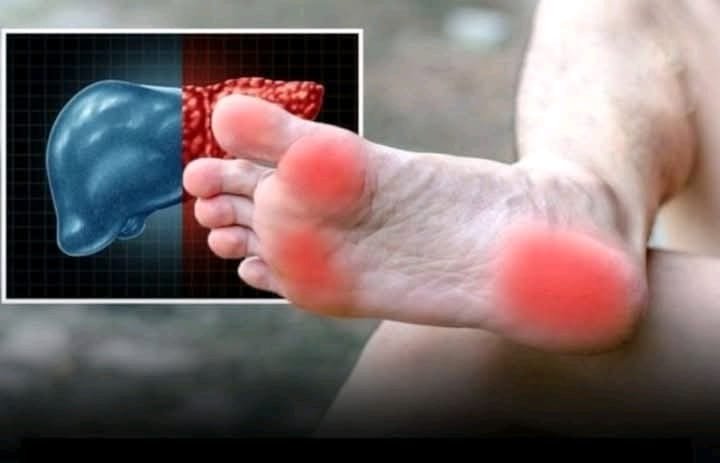
Fatty Liver Disease: The Warning Sign on Your Feet That May Indicate the Condition Is Established
Fatty liver disease is often called a “silent condition” because it can progress for years without obvious symptoms. Many people only discover it during routine blood tests or imaging done for unrelated reasons. However, as the disease advances, the body may begin to show subtle external warning signs—and surprisingly, your feet can be one of them.
In this in-depth guide, we’ll explore the foot-related signs that may suggest fatty liver disease is no longer in its early stage, why these signs appear, what they mean for your overall health, and when you should seek medical advice.
⚠️ Medical disclaimer: This article is for educational purposes only. It does not diagnose, treat, or replace professional medical care. Always consult a qualified healthcare provider for evaluation and treatment.
Understanding Fatty Liver Disease (FLD)
What Is Fatty Liver Disease?
Fatty liver disease occurs when excess fat accumulates in liver cells. When fat makes up more than 5–10% of the liver’s weight, it is considered abnormal.
There are two main types:
-
Non-Alcoholic Fatty Liver Disease (NAFLD)
Linked to obesity, insulin resistance, type 2 diabetes, and high cholesterol. -
Alcohol-Related Fatty Liver Disease (ARLD)
Caused by excessive alcohol consumption.
If left unmanaged, both types can progress to:
-
Liver inflammation (steatohepatitis)
-
Fibrosis (scarring)
-
Cirrhosis (permanent liver damage)
-
Liver failure
Why Fatty Liver Disease Affects the Feet
The liver plays a central role in:
-
Fluid balance
-
Protein production (especially albumin)
-
Blood circulation
-
Hormone regulation
-
Toxin removal
When liver function becomes compromised, fluid regulation and circulation are often affected, leading to visible changes—particularly in the lower extremities.
Gravity causes fluid to collect in the feet and ankles first, making them a key area where signs appear.
The Key Foot Sign: Persistent Swelling (Edema)
Swollen Feet and Ankles: A Red Flag
One of the most significant foot-related signs that fatty liver disease may be established or progressing is persistent swelling in the feet and ankles, medically known as peripheral edema.
What It Looks Like
-
Puffiness around the ankles
-
Feet that appear larger or tight
-
Indentations left after pressing the skin (pitting edema)
-
Shoes feeling suddenly tight
-
Swelling that worsens by evening
Why This Happens in Advanced Fatty Liver Disease
1. Reduced Albumin Production
The liver produces albumin, a protein that helps keep fluid inside blood vessels.
When albumin levels drop:
-
Fluid leaks into surrounding tissues
-
Swelling develops in the feet, ankles, and legs
Low albumin is more common in advanced fatty liver disease, especially when fibrosis or cirrhosis begins.
2. Increased Pressure in Blood Vessels (Portal Hypertension)
As liver scarring increases:
-
Blood flow through the liver becomes restricted
-
Pressure builds up in the portal vein system
-
Fluid is pushed into tissues, including the lower limbs
This is a strong indicator that liver disease has moved beyond the early stage.
3. Hormonal and Sodium Imbalances
Liver dysfunction can disrupt:
-
Hormones that regulate fluid balance
-
Kidney function
-
Sodium excretion
This leads to water retention, often most visible in the feet.
Other Foot and Lower-Leg Signs to Watch For
Swelling rarely appears alone. Additional signs that may accompany it include:
Skin Changes
-
Shiny or stretched skin
-
Dryness or cracking
-
Increased sensitivity
Color Changes
-
Pale or slightly bluish tone
-
Redness from pressure buildup
Cold Feet or Tingling
-
Reduced circulation
-
Nerve involvement (especially if diabetes is also present)
How to Tell If Foot Swelling Is Liver-Related
Not all swollen feet are caused by liver disease. Common alternatives include:
-
Heart failure
-
Kidney disease
-
Varicose veins
-
Pregnancy
-
Long periods of standing or sitting
Clues It May Be Liver-Related
-
Swelling is persistent, not occasional
-
It affects both feet equally
-
It does not fully resolve overnight
-
You also experience:
-
Fatigue
-
Abdominal bloating
-
Easy bruising
-
Yellowing of the eyes or skin
-
Unexplained weight changes
-
When to See a Doctor Immediately
Seek medical attention if foot swelling is accompanied by:
-
Sudden or severe abdominal pain
-
Yellow skin or eyes (jaundice)
-
Shortness of breath
-
Confusion or memory changes
-
Rapid weight gain from fluid retention
These may indicate advanced liver involvement and require urgent evaluation.
How Doctors Confirm the Cause
Healthcare providers may use:
-
Blood tests (liver enzymes, albumin levels)
-
Ultrasound or FibroScan
-
CT or MRI imaging
-
Lifestyle and medical history review
Foot swelling alone cannot diagnose fatty liver disease, but it can be an important clinical clue.
Can the Damage Be Reversed?
Early vs. Established Disease
-
Early fatty liver: Often reversible with lifestyle changes
-
Established disease (fibrosis): Progression can be slowed
-
Cirrhosis: Damage is permanent, but complications can be managed
That’s why recognizing signs like persistent foot swelling matters.
What You Can Do If You Notice This Sign
Lifestyle Steps That Support Liver Health
-
Maintain a healthy body weight
-
Reduce sugar and refined carbohydrates
-
Limit or eliminate alcohol
-
Eat whole, nutrient-dense foods
-
Increase physical activity
-
Manage blood sugar and cholesterol
These steps are widely supported by institutions such as the Mayo Clinic, NHS, and American Liver Foundation.
Frequently Asked Questions
Can fatty liver disease really show up in the feet?
Yes. Swollen feet and ankles can be a sign of advanced liver involvement due to fluid imbalance.
Is foot swelling always serious?
Not always, but persistent swelling should never be ignored.
Can swelling go away if liver health improves?
In early stages, yes. In advanced stages, management is possible but damage may be permanent.
Does everyone with fatty liver get swollen feet?
No. It usually appears later in the disease.
Can diet alone fix fatty liver disease?
Diet is crucial, but overall lifestyle and medical guidance matter.
Final Thoughts
Your feet can reveal more about your health than you might expect. Persistent swelling in the feet or ankles may be one of the clearest external signs that fatty liver disease is no longer silent.
While this symptom does not confirm a diagnosis on its own, it is an important signal to seek medical evaluation sooner rather than later. Early action can make a meaningful difference in long-term liver health.
Take Action Today
-
Pay attention to unexplained changes in your body
-
Don’t ignore persistent swelling
-
Schedule a health check if you’re concerned
-
Share this article to raise awareness—someone else may need it
Your body often whispers before it screams. Listening early can protect your health.