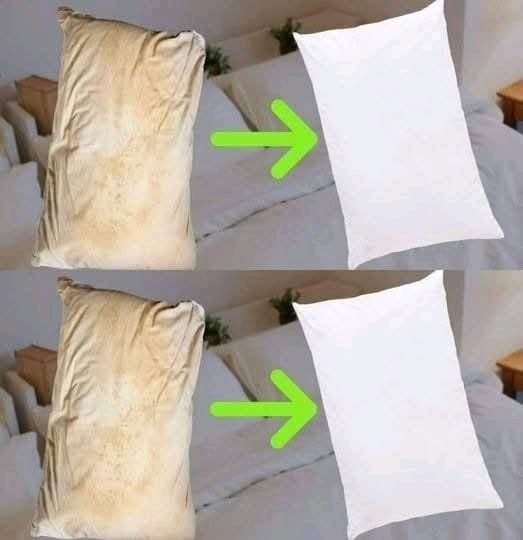
How to Clean Dirty Bed Pillows to Leave Them White and Smelling Sweet
Pillows are one of the most-used items in your home—but they’re often forgotten when it comes to cleaning. Over time, they can collect:
-
Sweat and body oils
-
Dust and dust mites
-
Dead skin cells
-
Food crumbs (if you snack in bed!)
-
Lingering odors
Dirty pillows aren’t just unpleasant—they can trigger allergies, congestion, and even skin irritation.
The good news? With the right cleaning routine, your pillows can be white, fresh, and inviting again.
Step 1: Check the Care Label
Before you start, always check your pillow’s tag. Common types include:
| Pillow Type | Cleaning Method |
|---|---|
| Down/Feather | Machine washable (gentle) or dry clean |
| Memory Foam | Spot clean or hand wash; avoid soaking |
| Polyester/Polyfill | Machine washable; tumble dry on low |
⚠️ Tip: Avoid machine washing memory foam—it can break apart when soaked.
Step 2: Remove Pillowcases and Protectors
Take off all pillow covers, cases, or pillow protectors. These can usually be washed separately in hot or warm water to kill bacteria and dust mites.
Tip: Use fragrance-free detergent if you have sensitive skin.
Step 3: Pre-Treat Stains
If your pillow has visible stains (yellow sweat marks, makeup, etc.), pre-treat them:
-
Mix baking soda and water to form a paste
-
Rub gently on stains
-
Let sit 15–30 minutes before washing
For tougher stains, try a small amount of hydrogen peroxide with a drop of dish soap. Always test on a small area first.
Step 4: Machine Wash Pillows (If Allowed)
Down, feather, and polyester pillows can usually go in the washer.
Steps:
-
Wash two pillows at a time to balance the load
-
Use warm water and a gentle detergent
-
Add 1 cup white vinegar for deodorizing (optional)
-
Run an extra rinse cycle to remove detergent residues
Tip: Full-size washing machines work best. Front-loaders are gentler on pillows.
Step 5: Hand Wash Delicate or Foam Pillows
Memory foam or latex cannot go in the machine.
-
Fill a tub with lukewarm water and mild detergent
-
Submerge the pillow gently and squeeze to work the soap through
-
Rinse thoroughly to remove all detergent
-
Gently press out excess water (don’t wring—this can damage foam)
Step 6: Drying Pillows Properly
Proper drying prevents mold, odor, and clumping.
For machine-washable pillows:
-
Tumble dry on low heat
-
Add a few clean tennis balls or dryer balls to fluff pillows
-
Ensure pillows are completely dry (overnight drying may be necessary)
For foam pillows:
-
Air dry flat on a clean towel in a well-ventilated area
-
Avoid direct sunlight for long periods (can damage foam)
Tip: Pillows should be completely dry before putting pillowcases back on—moisture leads to mildew.
Step 7: Freshen and Deodorize Between Washes
Even if your pillows aren’t dirty enough for a full wash, you can keep them smelling fresh:
-
Sprinkle baking soda on the pillow surface, leave 30 minutes, then vacuum
-
Spray lightly with a water and essential oil mix (lavender, eucalyptus)
-
Fluff daily to prevent dust accumulation and maintain shape
Step 8: Maintain Pillow Hygiene
To keep pillows white, fluffy, and sweet-smelling:
-
Wash pillowcases weekly
-
Wash pillows 2–4 times a year
-
Use pillow protectors to reduce direct sweat and oil
-
Avoid eating in bed to prevent stains
Extra Tip: Replace pillows every 1–2 years for hygiene and support, even with cleaning.
Quick Troubleshooting
| Problem | Solution |
|---|---|
| Pillows feel lumpy after washing | Dry with dryer balls or fluff vigorously |
| Persistent yellow stains | Use baking soda + hydrogen peroxide paste before washing |
| Musty odor remains | Add vinegar to wash and ensure thorough drying |
| Foam pillows flatten | Use them for support cushions or replace if old |
Final Thoughts
Clean pillows aren’t just about comfort—they’re better for your health, sleep, and skin. With the right routine, your pillows can stay white, fresh, and sweet-smelling for months.
Next time you crawl into bed, the freshness will make all the difference 🌸