How to Get a Deep Piriformis Stretch to Eliminate Back, Hip, Glutes, and Leg Pain
Meta Description:
Learn how to perform a deep piriformis stretch to relieve back, hip, glute, and leg pain. Follow step-by-step instructions and tips for maximum relief and flexibility.
Introduction
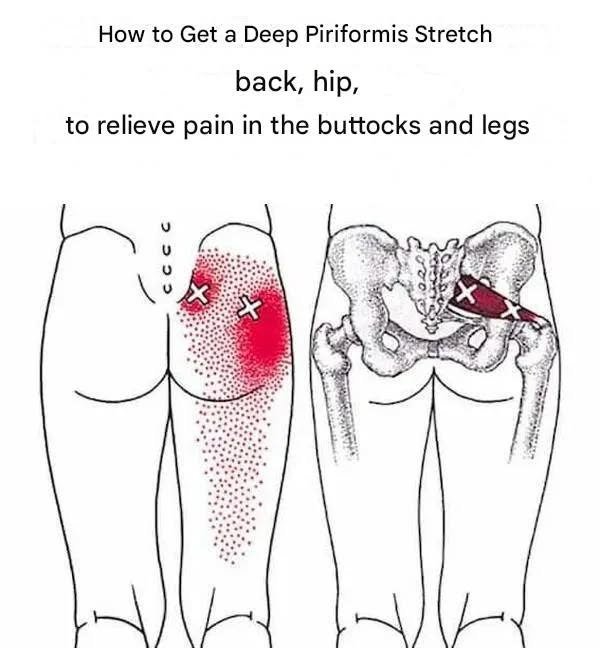
Do you experience lower back pain, hip discomfort, tight glutes, or leg numbness? These symptoms are often linked to a tight piriformis muscle, located deep in the buttocks. When this muscle becomes tense or inflamed, it can press on the sciatic nerve, causing pain that radiates down the leg—a condition commonly known as piriformis syndrome.
A deep, targeted stretch can relieve tension, improve mobility, and reduce pain, allowing you to move more comfortably. Here’s a complete guide to achieving a deep piriformis stretch safely.
Step 1: Seated Figure-Four Stretch
Why it works: Opens the hips, stretches glutes, and eases sciatic nerve pressure.
Instructions:
-
Sit on a chair with your feet flat on the floor.
-
Cross your right ankle over your left knee.
-
Keep your back straight and lean forward slowly, hinging at the hips.
-
Hold for 20–30 seconds.
-
Repeat on the other side.
Tip: Breathe deeply and avoid bouncing. Move gently into the stretch.
Step 2: Supine Piriformis Stretch
Why it works: Targets the piriformis deeply while lying down for relaxation.
Instructions:
-
Lie on your back with knees bent.
-
Place your right ankle over your left knee, forming a “figure four.”
-
Grab your left thigh with both hands and gently pull it toward your chest.
-
Hold for 20–40 seconds.
-
Switch sides.
Tip: Keep your shoulders relaxed and neck neutral to prevent strain.
Step 3: Pigeon Pose (Yoga Variation)
Why it works: Opens the hips, stretches glutes, and lengthens the lower back.
Instructions:
-
Start in a high plank or downward dog.
-
Bring your right knee forward and place it behind your right wrist, with your shin angled slightly.
-
Extend your left leg straight back.
-
Square your hips and lean forward slowly for a deeper stretch.
-
Hold for 30–60 seconds, breathing deeply.
-
Repeat on the other side.
Tip: Use a pillow under the hip if you feel discomfort for better support.
Step 4: Standing Piriformis Stretch
Why it works: Convenient for office or home, stretches piriformis without lying down.
Instructions:
-
Stand tall with feet hip-width apart.
-
Cross your right ankle over your left knee like a figure-four position.
-
Slowly sit back as if sitting in a chair, keeping back straight.
-
Hold for 20–30 seconds.
-
Repeat on the opposite side.
Tip: Balance near a wall or chair if needed.
Additional Tips for Piriformis Relief
-
Warm Up First: Light cardio or dynamic stretching improves blood flow.
-
Foam Rolling: Roll the glutes and piriformis gently to release tension.
-
Stay Consistent: Daily stretching improves flexibility and prevents pain recurrence.
-
Strengthen Supporting Muscles: Glutes, core, and lower back exercises prevent overcompensation.
-
Avoid Overstretching: Move gradually into each stretch to prevent injury.
Frequently Asked Questions (FAQs)
How often should I stretch the piriformis?
2–3 times daily if you experience tightness, or at least once a day for maintenance.
Can this stretch help sciatica?
Yes, releasing piriformis tension often reduces sciatic nerve pressure, easing leg pain.
Is it normal to feel mild discomfort?
Yes, mild tension is expected. Sharp pain indicates improper form, so stop and adjust.
Final Thoughts
A tight piriformis muscle can lead to back, hip, glute, and leg pain, but with consistent deep stretching, relief is possible. Incorporate these stretches into your daily routine for improved flexibility, reduced pain, and better overall mobility.
👉 Remember: Gentle, mindful movement is key. Stretch regularly, breathe deeply, and listen to your body to unlock lasting relief.
Disclaimer
This article is for educational purposes only and is not a substitute for professional medical advice. Consult a healthcare provider before starting a new exercise or stretching routine, especially if you have existing injuries or chronic pain.